IBM Research achieved a 52x speedup in quantum error correction hardware design using AI agents, indicating a faster pace for iterating on quantum chip architecture. The team outperformed proprietary AI models at a lower cost, suggesting wider access to advanced chip design. Google Quantum AI is also addressing error rates with “magic state cultivation,” creating low-error states on their Willow processor and integrating them into larger surface codes. These efforts, optimizing design and minimizing runtime errors, are increasingly critical as IonQ commits to ambitious qubit counts, aiming for 2 million qubits by 2030.
Quantinuum and JPMorgan Chase executed fault-tolerant algorithms on 97 qubits, a first for complete logical quantum algorithms built with fault-tolerant components using the Steane code. This proves that increasing circuit complexity doesn’t necessarily degrade performance when error correction is in place, a finding that differs from work on idle qubit inefficiencies. These advances suggest growing maturity in error mitigation and correction, moving toward practical, scalable systems.
The race to build a quantum internet is accelerating, with the Quantum Internet Alliance securing €47.5 million and Oxford Ionics extending entanglement times in their trapped-ion network. Toshiba, SpeQtral, and HPE are integrating quantum security into standard VPNs, indicating a growing focus on secure communication and data protection. While these developments progress, fundamental challenges to building a scalable quantum computer remain.
1. Google Quantum AI Cuts Error Rates with Magic State Cultivation
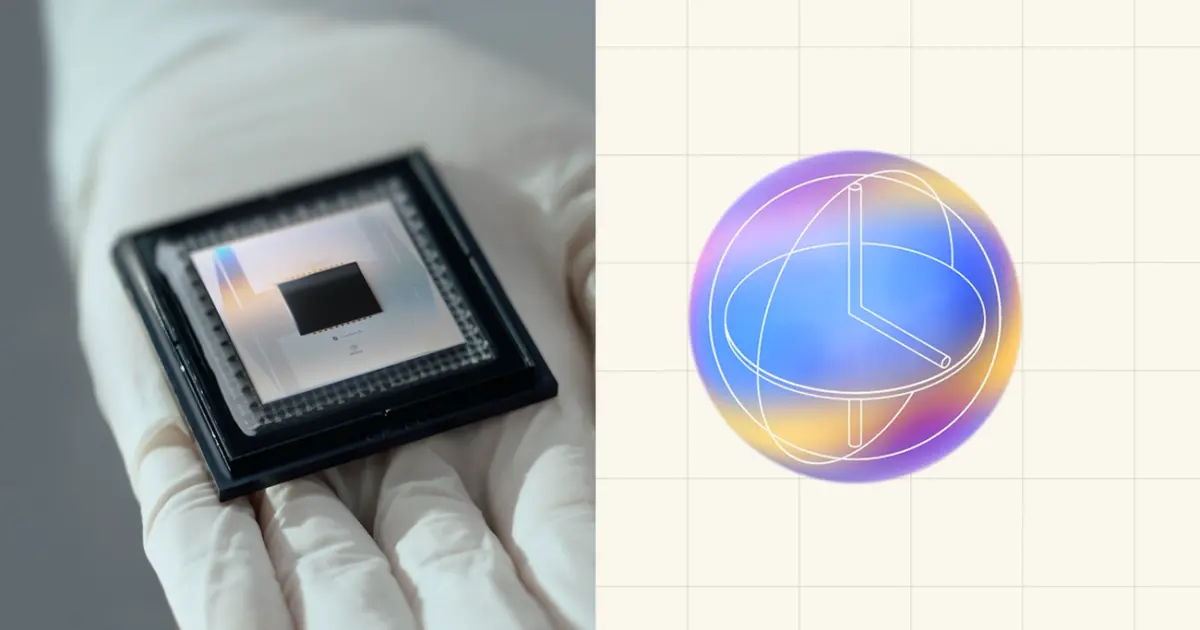
Google Quantum AI’s Craig Gidney, Noah Shutty, and Cody Jones reduced quantum error rates by 40x on the Willow processor using a technique called magic state cultivation. This method efficiently creates specialized quantum states previously estimated to consume up to 95% of a computer’s capacity, enabling low-error states for quantum computation and proving compatibility between different quantum error correction methods. The team overcame equipment interference with extra control and a new benchmarking technique, utilizing cultivation to measure its own performance. They successfully switched between cultivation and a distance-3 color code, grafting states to a distance-5 surface code. The researchers are focused on expanding the scope of the technique to larger and more complex quantum systems.
2. IBM Research Achieves 52x Quantum Decoder Design Speedup with AI Agents
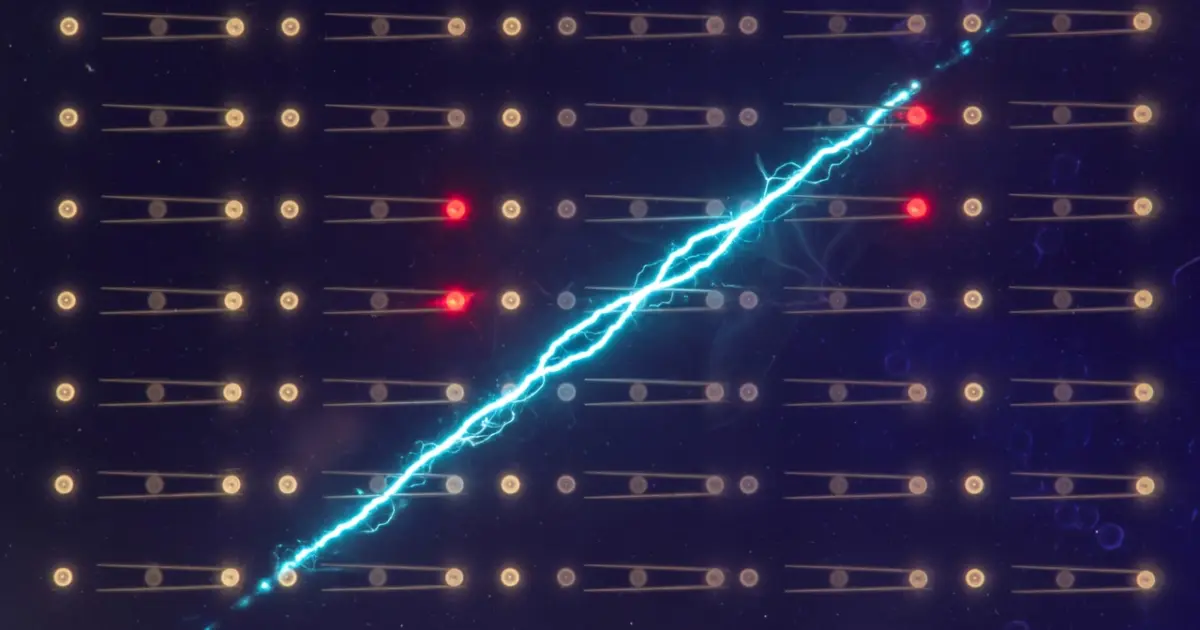
IBM Research achieved a 52-times speedup in high-level synthesis estimates for quantum error correction hardware using AI agents, at an inference cost of $26. The team combined open-source models with the llm-d distributed inference framework to create an agent factory where multiple AI agents collaboratively design and refine hardware configurations. This system explored designs for the [[144,12,12]] bivariate bicycle code, evaluating 100 hypotheses per configuration, and outperformed a comparable design process relying solely on proprietary AI models, which cost 11.5 times more. This cost-efficiency allows for more extensive hardware exploration, potentially leading to better quantum chips and making AI-driven chip design more accessible to organizations seeking to control inference costs and data sensitivity.
3. Quantinuum Achieves Fault-Tolerant Algorithms on 97-Qubit System

JPMorgan Chase and Quantinuum researchers successfully ran fault-tolerant quantum algorithms using 97 physical qubits on the H2 and Helios processors. They implemented the Steane code to achieve a logical T gate with 2.6(4)× 10-3 infidelity, a substantial improvement over previous non-fault-tolerant attempts. This is the first complete execution of logical quantum algorithms built entirely with fault-tolerant components, demonstrating better-than-random performance even with circuits containing over two thousand two-qubit gates. The team’s work on algorithms like QAOA and HHL shows that increasing circuit complexity does not automatically degrade performance when using this error correction method, potentially enabling more practical quantum computations.
4. Anthropic’s Claude Cuts Quantum Circuit Complexity by Orders of Magnitude
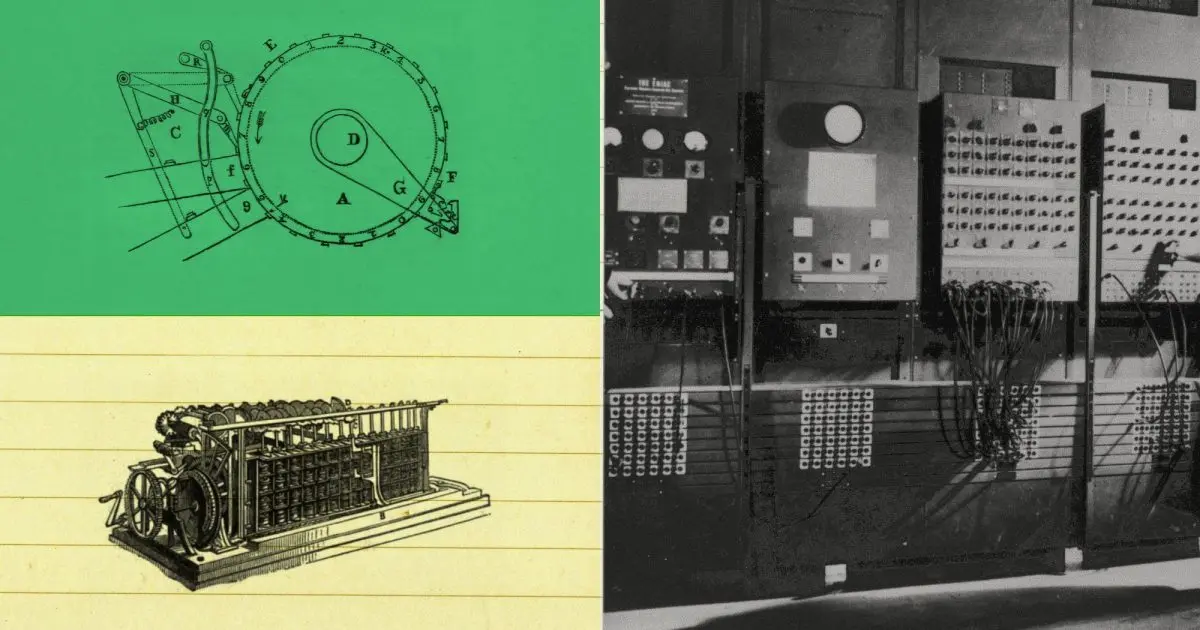
Anthropic, through its STEM Fellows Program, has achieved improvements in quantum circuit design. The system autonomously redesigned circuits for eight applications, including chemistry and optimization, discovering new approaches that reduce the number of qubits and gates required for computations. This was accomplished by identifying and eliminating redundant calculations, using symmetries, and uncovering novel circuit structures. These improvements represent a fundamental shift in how circuits are structured, demonstrating an ability to uncover previously unseen efficiencies. This automated design process may accelerate progress in fields like drug discovery and materials science, as efficient qubit and gate management is critical for practical quantum computation. Through a series of algorithmic advances, the estimated number of gates for simulating FeMoco’s ground-state energy has come down to about 340 million.
5. IonQ Secures $2 Billion Investment to Expand Quantum Computing

IonQ secured a $2.0 billion equity investment from Heights Capital Management, Inc., through a share and warrant offering priced at $93 per share, with warrants exercisable at $155 per share. This capital will allow IonQ to expand its quantum ecosystem and accelerate commercialization worldwide. IonQ’s systems, including IonQ Forte and IonQ Forte Enterprise, have demonstrated 20 times performance improvements for customers and partners such as Web Services and AstraZeneca. The company intends to deliver a quantum computer with 2 million qubits by 2030, targeting applications in drug discovery, materials science, and financial modeling, and plans to advance quantum networking and sensing technologies.
6. IonQ and Cambridge Launch Quantum Research Centre at Cavendish Labs

IonQ and the University of Cambridge opened the IonQ Quantum Innovation Centre within Cambridge’s Ray Dolby Centre on October 17, 2026, formalizing a research partnership announced earlier this year. The centre will house a 256-qubit Superion quantum computer and focus on strengthening a quantum network connecting Cambridge and Bristol, as well as developing new quantum sensors. Nine initial research projects, spanning departments from physics to business, will explore applications in areas like materials science, finance, and medicine, aiming to translate academic research into practical quantum advantages. This collaboration will also support new academic positions and draw on resources from the National Quantum Computing Centre through Innovate UK, bolstering the UK’s quantum workforce and solidifying its position in the growing field.
7. QuEra and Q-CTRL Co-Design Compiler for Neutral Atom Systems
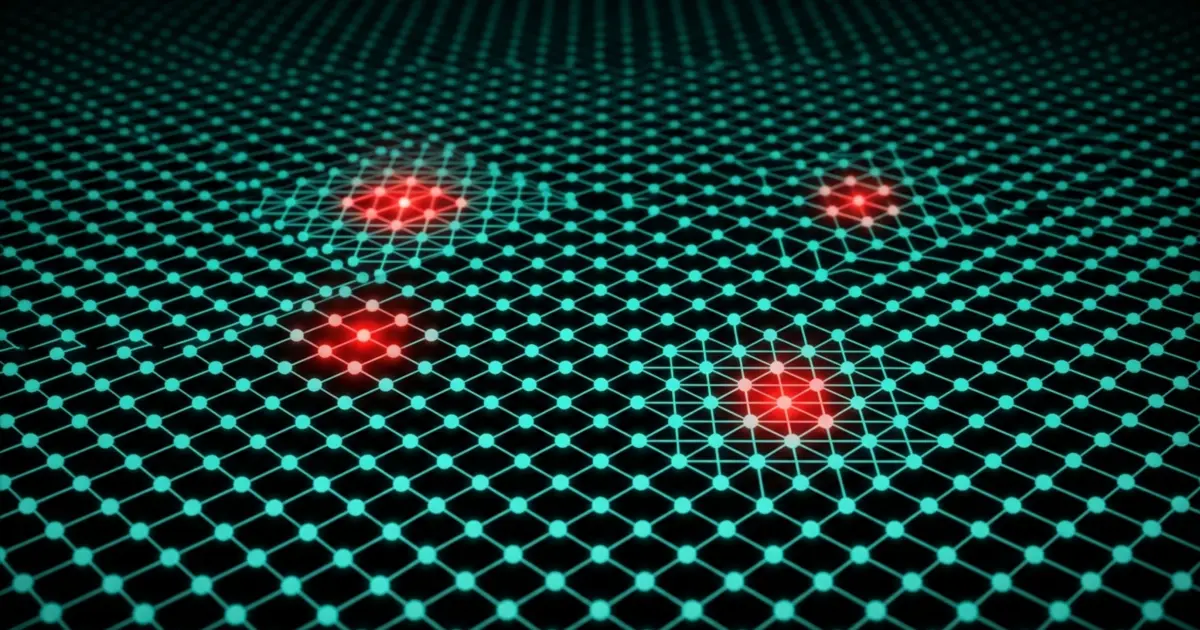
QuEra Computing is collaborating with Q-CTRL to co-design a compiler stack for its neutral atom quantum computers, addressing inefficiencies where algorithms spend most of their time with idle qubits, like the 99.5% idleness in the Gidney implementation of Shor’s algorithm. This uses a heterogeneous architecture with fast processing modules and a memory hierarchy to move idle qubits to cheaper storage. QuEra aims for a 10-6 logical error rate with its Libra system, requiring over 10,000 physical qubits to construct 256 error-corrected logical qubits. The modular compiler, Q-CHESS, and open-source Kirin infrastructure allow independent development of error correction and hardware, and resource estimation before construction. A release on Amazon Braket is planned for 2028, alongside a Next Gen Gigaquop-class system planned for 2028/2029, changing how quantum computers are built and programmed.
8. Advances In Quantum Key Rates with Squeezed Light

Researchers demonstrated a continuous-variable quantum key distribution (CV-QKD) system using squeezed states of light and advanced digital signal processing. This system improves upon earlier methods by increasing secret key rates and resilience to noise, verified through tests on a 2048-core GPU. Squeezed states reduce the demands on error correction, a limitation in long-distance quantum communication, and allow for greater tolerance of noise in fiber optic channels. These improvements make CV-QKD more practical for integration with existing infrastructure and expand its feasibility for free-space and satellite-based quantum networks, potentially enabling a global intercontinental quantum network.
9. ORCA Computing Launches PT-3 Photonic Quantum Computer in London
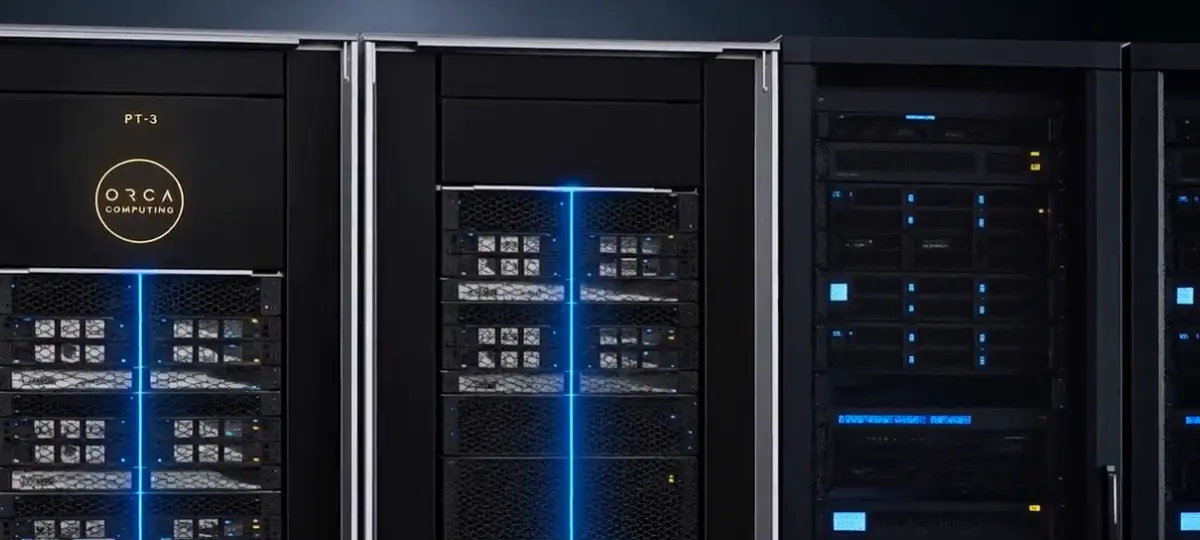
ORCA Computing has deployed its PT-3 photonic quantum computer within Digital Realty’s Innovation Lab in London. This new system, utilizing 64 photons in 128 qumodes, has already demonstrated a 20 percent improvement in identifying novel protein structures when integrated with an extended NVIDIA Proteína model. The PT-3 also accelerated a complex industrial optimization benchmark, a 25,755-variable unit commitment problem, by over twelve times compared to its predecessor, achieving results competitive with commercial solvers. This relatively low-power system, operational within hours of installation, is now available for trials in life sciences, defence, energy, and logistics, allowing researchers to build on the same scalable hardware.
10. Alice & Bob and NVIDIA Demonstrate GPU-Accelerated Quantum Error Correction

Alice & Bob, alongside NVIDIA, implemented LDPC-cat code decoding on NVIDIA GPUs using NVQLink, assessing the feasibility of GPUs for error correction. Connecting Quantum Machines’ OPX1000 controller directly to GPUs enabled parallel decoding of multiple syndromes, allowing decoding capacity to scale with the quantum computer. This work builds on previous findings indicating reduced hardware requirements for large-scale quantum computers. Alice & Bob and NVIDIA are optimizing the data pipeline to achieve real-time error correction; a March 2026 demonstration achieved a one hour 57 minute runtime decoding simulated syndrome data using the NVIDIA CUDA-Q platform. This optimizes the data pipeline and changes the potential for scalable quantum computation.
11. Riverlane and NVIDIA Accelerate Quantum Error Correction with GPUs
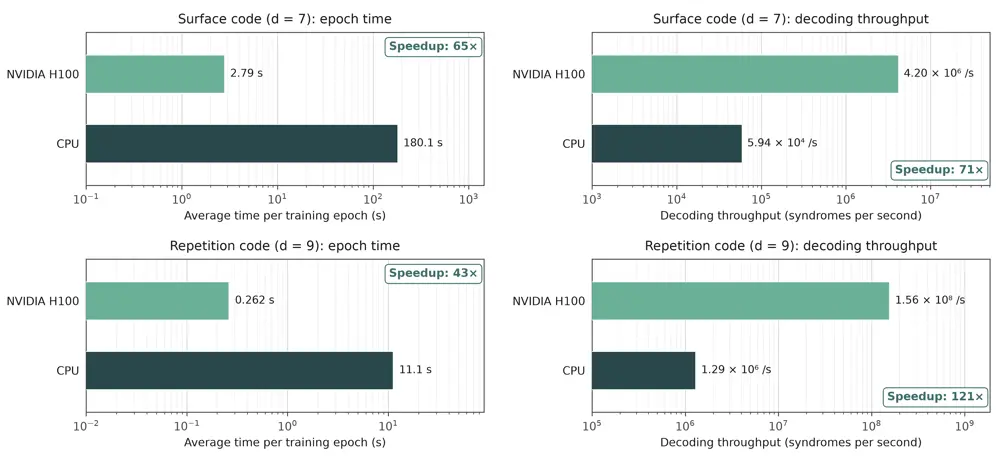
Riverlane achieved a 65-fold speedup in quantum error correction calibration by integrating NVIDIA H100 GPUs into its Local Clustering Decoder. The system now completes a training epoch for surface code calibration in 2.8 seconds, dramatically faster than the three minutes required with a CPU core. This improvement allows the decoder to adapt more quickly to changing qubit behavior, reducing the time quantum systems are vulnerable to errors during recalibration. While some CPU-bound tasks remain, the GPU acceleration enables processing over four million surface-code syndromes per second, and Riverlane anticipates this approach will be essential for scaling quantum error correction in future heterogeneous computing architectures.
12. IonQ to Acquire Elisity for Up To $1.3 Billion in All-Stock Deal

IonQ will acquire Zero Trust security firm Elisity in an all-stock transaction valued at up to $1.3 billion, combining IonQ’s quantum cryptography with Elisity’s enterprise security platform to address evolving cyber threats and meet White House directives. Elisity’s IdentityGraph platform correlates identity, asset, and risk information to enforce least-privilege access. IonQ plans to integrate IdentityGraph with its post-quantum cryptography (PQC) and quantum key distribution (QKD) technologies, creating a layered security approach. Elisity has doubled revenue and customers year-over-year, with over 100 global deployments. IonQ anticipates cross-selling opportunities, using Elisity’s enterprise presence to introduce its PQC, QKD, and quantum computing services, building on deployments in Switzerland, Poland, Romania, and Slovakia. The transaction is expected to close in the fourth quarter of 2026, subject to regulatory approval.
13. Toshiba, SpeQtral, and HPE Demonstrate Quantum-Safe VPN Integration

Toshiba, collaborating with SpeQtral and HPE, has validated a system integrating quantum security methods into standard IPsec VPNs. The solution combines Post-Quantum Cryptography, which uses new algorithms resistant to quantum attacks, with Quantum Key Distribution, generating encryption keys using quantum mechanics. This layered approach addresses the risk of “harvest now, decrypt later” attacks, protecting data intercepted today from future decryption by quantum computers. SpeQtral led the integration, confirming secure operation without requiring a complete network overhaul, allowing organizations to enhance cyber resilience and adapt to evolving quantum threats. The integrated solution will be presented at GovWare 2026.
14. FPT and Pasqal Partner to Build Quantum Capacity in Vietnam

FPT Corporation is collaborating with French quantum firm Pasqal to develop quantum computing infrastructure and expertise within Vietnam. The partnership, presented to Deputy Prime Minister Ho Quoc Dung, will focus on integrating quantum capabilities into Vietnamese universities and businesses. FPT demonstrated its commitment by establishing the Quantum AI & Cyber Security Institute in December 2025, pledging $100 million for research and development. Pasqal, founded by 2022 Nobel laureate Alain Aspect, will contribute its neutral-atom quantum computing technology and expertise, aiming to recruit and train Vietnamese talent. This initiative aligns with Vietnam’s national strategy for quantum technology, prioritizing its application to key areas like security and AI.
15. MIT-Harvard Team Achieves Efficient Quantum Error Correction with Neutral Atoms
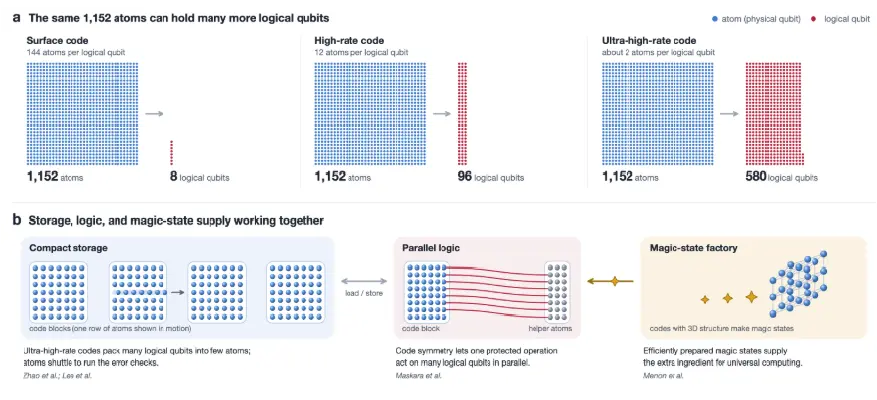
A team led by Hengyun Zhou at MIT, collaborating with Harvard’s Mikhail Lukin group, has designed new quantum error correction codes. These codes encode more than one logical qubit for every two physical data qubits, a remarkably efficient use of redundancy. The researchers implemented these codes using reconfigurable neutral-atom arrays, achieving low error rates even when accounting for faults in the error correction circuits themselves, and demonstrated a code distance of 12, which represents an upper limit. This work establishes principles for balancing quantum information storage, protection, and error check complexity, allowing for the systematic design of more compact codes and enabling more reliable quantum computation with fewer qubits. The principles were detailed in a publication from September 2026.
16. IBM Quantum and École Polytechnique Scale Quantum Simulation with Classical Shadows
A collaboration between IBM Quantum and École Polytechnique advanced quantum simulation using quantum subspace expansion. The team evaluated over 100 trillion Pauli traces, calculations representing the properties of a quantum system, using up to 80 qubits, a scale previously unattainable. This was accomplished by combining uniformly randomized measurements, known as classical shadows, with high-performance classical computing to analyze a complex spin model featuring three-body interactions. This approach allows for more detailed analysis of quantum systems and offers a blueprint for integrating quantum processors with substantial classical resources, enabling simulations of larger and more complex quantum phenomena.
17. Sarawak AI Centre and IBM Launch Malaysia’s Quantum-Safe Hub

The Cybersecurity Sarawak AI Centre, working with IBM Malaysia, plans to build the Sarawak Quantum Safe Centre to strengthen Malaysia’s cybersecurity. This hub will focus on research, talent development, and the adoption of practical quantum-safe technologies, specifically within East Malaysia. IBM’s Guardium Cryptography Manager will support the initiative, helping organizations identify and address cryptographic weaknesses to defend against “harvest now, decrypt later” attacks. By prioritizing digital sovereignty and fostering an ecosystem, the centre aims to position Sarawak as a leader in post-quantum security and build resilience against evolving cyber threats. The initiative responds to a disconnect between awareness and action regarding quantum-safe strategies. The centre will support research and talent development, establishing a sovereign innovation hub dedicated to practical quantum-safe technology adoption.
18. Quantum Internet Alliance Secures €47.5 Million for European Network Prototype
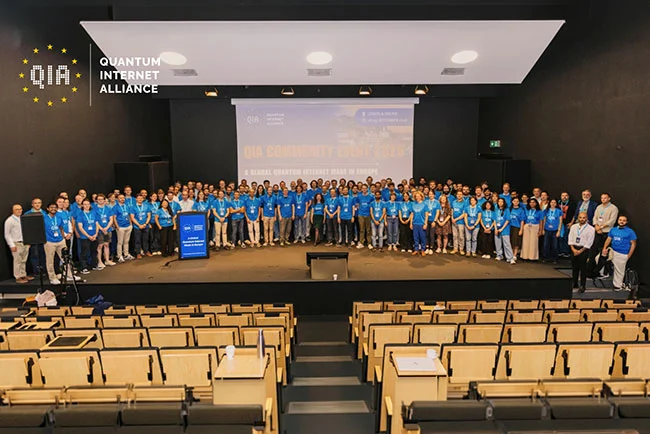
The Quantum Internet Alliance received €47.5 million from the European Commission to build a prototype full-stack quantum network. Researchers at the University of Innsbruck and AQT will develop trapped-ion hardware for this network, receiving €5.4 million of the total funding. This prototype will connect quantum computers across metropolitan areas using hundreds of kilometers of optical fiber, aiming to move beyond isolated experiments toward a programmable, interconnected system. The alliance, comprised of over 50 institutions across 12 European countries, anticipates the network will support secure communications, distributed quantum computing, and precise timing measurements, though specific applications remain under investigation.
19. Oxford Ionics Extends Entanglement Times in Trapped-Ion Quantum Network

Researchers at the University of Oxford and Oxford Ionics have demonstrated sustained entanglement of strontium and calcium ions across a photonic network. Their system maintains entanglement for over 100 times longer than the initial creation time, an improvement for building scalable quantum networks. This was achieved by using strontium ions for network communication and calcium ions as long-lived quantum memories, creating GHZ states with up to four qubits and achieving fidelities of 91.9% to 93.1%. Oxford Ionics is now focused on commercializing this technology, which could enable more complex distributed quantum computing and advanced quantum sensing applications.
20. QuEra Computing Lands DOE Funding for Quantum Chemistry Projects

QuEra Computing will co-lead three teams awarded $37 million from the Department of Energy’s Quantum Computing for Computational Chemistry program. These projects aim to achieve a hundredfold improvement over classical models for energy-related challenges, validated using approximately 100 logical qubits, and impacting areas like superconductors, magnets, and hydrogen fuel production. QuEra provides its neutral-atom quantum hardware and expertise in algorithm co-design, building on prior work that achieved up to 250 times faster execution of quantum simulations and a 10 to 100-fold reduction in runtime overhead. This collaboration emphasizes full-stack co-design, optimizing algorithms, error correction, and hardware simultaneously. QuEra targeted 1,000 logical qubits by 2029 to support these efforts.


See today’s quantum computing news on Quantum Zeitgeist for the latest breakthroughs in qubits, hardware, algorithms, and industry deals.