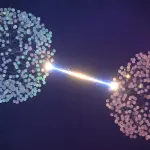
FPT Corporation is partnering with Pasqal, ranked first among France’s top 10 quantum technology companies, to establish quantum computing capabilities within Vietnam. The collaboration, presented to Deputy Prime Minister Ho Quoc Dung, aims to build both infrastructure and a skilled workforce focused on strategic technologies. Pasqal’s approach uses neutral-atom technology, and the company’s Chief Commercial Officer, Mark Armstrong, expressed a strong interest in recruiting talent and transferring expertise within Vietnam. “FPT’s role in investing in quantum technology and artificial intelligence research and training” was specifically recognized by the Deputy Prime Minister.
FPT and Pasqal Propose Quantum Computing Partnership for Vietnam
Pasqal, recognized as a leading quantum technology firm in France, is collaborating with FPT Corporation to establish a quantum computing ecosystem within Vietnam, a move signaled by a formal proposal presented to high-ranking government officials. The partnership aims to integrate quantum capabilities into Vietnamese universities, research institutions and businesses, with a long-term vision of building domestic quantum computing infrastructure. This initiative extends beyond mere technological implementation, focusing on cultivating a workforce equipped to advance strategic technologies.
The proposed collaboration includes joint research into quantum computing algorithms and their practical applications, alongside potential cooperation in the development and manufacturing of quantum computers themselves, Pasqal says. Mark Armstrong, Chief Commercial Officer for Europe, the Middle East, Africa and Asia-Pacific at Pasqal, detailed the company’s expertise in quantum computers based on neutral-atom technology during a meeting with Deputy Prime Minister Ho Quoc Dung.
Pasqal’s foundation by Professor Alain Aspect, a 2022 Nobel laureate in Physics, emphasises the scientific background behind the proposed partnership. Armstrong expressed particular interest in using Vietnamese talent, including plans for recruiting personnel, training educators and transferring technical expertise to accelerate the adoption of quantum technology. Vietnam’s commitment to quantum technology is formally recognized through Resolution No. 57-NQ/TW, which identifies it as a strategic priority.
This prioritization links quantum advancements to national objectives encompassing security, data management, semiconductor development, artificial intelligence and space technology. The Deputy Prime Minister emphasized the necessity of focusing quantum technology development on addressing tangible challenges and achieving measurable outcomes, while avoiding fragmented investment strategies. He welcomed the proposals from FPT and Pasqal, urging a swift translation of plans into concrete actions with clearly defined resource allocations and implementation timelines.
FPT’s commitment to quantum computing extends beyond this partnership; in December 2025, the corporation established the Quantum AI & Cyber Security Institute (QACI) and pledged USD 100 million towards research and development in quantum technology, artificial intelligence and cybersecurity. QACI’s ambitious goals include training 100 PhD graduates, upskilling 2,000 technology specialists, and generating 500 research publications, patents, and intellectual property outputs by 2041. These long-term objectives are designed to create a robust talent pool capable of tackling significant national challenges in artificial intelligence, quantum computing and information security.
The timing of this proposed partnership coincides with strengthened scientific and technological cooperation between Vietnam and France, following a visit to France by General Secretary and State President To Lam in September 2026. The resulting Vietnam-France Joint Statement specifically highlighted collaboration in quantum technology education, research and development. This momentum is further reinforced by the upgraded Comprehensive Strategic Partnership between Vietnam and the European Union in January 2026, which identified science, technology and innovation as a key area for collaboration.
“He reaffirmed that the Vietnamese Government encourages international technology companies to cooperate in research, technology development, workforce training, and innovation in Vietnam,” a statement released following the meeting confirmed. “The Government stands ready to support and facilitate cooperation between FPT and Pasqal within the legal framework, ensuring that the partnership delivers practical and effective outcomes.” This governmental support signals a strategic investment in Vietnam’s future technological capabilities and positions the nation to potentially become a regional hub for quantum computing innovation.

See today’s quantum computing news on Quantum Zeitgeist for the latest breakthroughs in qubits, hardware, algorithms, and industry deals.