Welcome to this week’s Quantum Tech Digest! We’ve curated the ten most impactful stories from the rapidly evolving world of quantum technology, bringing you the latest advancements in computing, sensing, and the expanding quantum ecosystem.
This week showcases a remarkable surge in commercialization and infrastructure development. From significant funding rounds for Alice & Bob, Pasqal, and D-Wave, to IPO filings by Quantinuum and preparations for a Nasdaq listing, the drive to translate quantum research into tangible products is accelerating. We’re also seeing a clear expansion of quantum access with new hubs and computer deployments appearing across Europe – in Switzerland, Romania, and Poland – and key advancements in distributed computing testbeds right here in the US.
Notably, several articles detail critical steps towards improved hardware – Infleqtion’s 100-qubit delivery to the NQCC and breakthroughs in qubit fidelity from Quantum Machines and Rigetti – suggesting we are moving beyond theoretical potential and towards demonstrable, increasingly reliable quantum systems. It’s a dynamic period with exciting developments on multiple fronts, solidifying quantum’s position as a technology to watch.
1. Alice & Bob Secures €100M NVIDIA Backing for Scalable Quantum Computing
 Quantum Computing“>
Alice & Bob, a quantum computing company specializing in “cat qubits,” has extended its Series B funding to €100 million with a new investment from NVIDIA’s venture capital arm, NVentures. This funding signals strong confidence in Alice & Bob’s approach to fault-tolerant quantum computing, which recently demonstrated a potential 200x reduction in hardware requirements compared to conventional qubit technologies. The companies are deepening a technical collaboration, integrating Alice & Bob’s qubits with NVIDIA’s CUDA-Q, cuQuantum, and Dynamiqs platforms to build hybrid quantum-GPU supercomputers for global high-performance computing centers. This partnership aims to accelerate the development of practical, scalable quantum solutions.
2. EPFL Pioneers Swiss Quantum Computing Access via Quantinuum Partnership
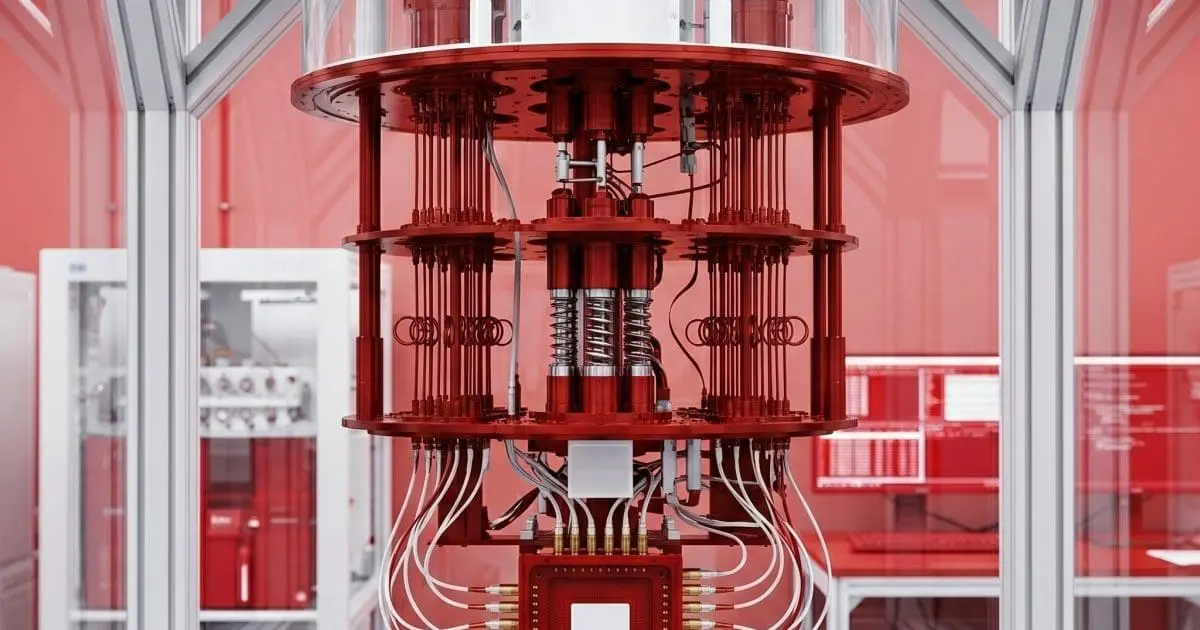
A team from EPFL has become the first Swiss academic institution to offer researchers cloud access to real quantum computers, achieved through a partnership with Quantinuum and integration with EPFL’s SCITAS high-performance computing infrastructure. This collaboration allows for streamlined research workflows and moves beyond theoretical studies, enabling experiments with Quantinuum’s advanced trapped-ion technology – known for its low decoherence – in areas like quantum algorithms and simulations of complex quantum mechanics. By embedding quantum capabilities within existing HPC resources, EPFL aims to pursue ambitious projects previously limited by computational power and advance the field of quantum simulation.
3. Pasqal Advances Towards Nasdaq Listing, Showcasing Quantum Hardware Leadership

Pasqal, a Paris-based quantum computing firm founded by Nobel Laureate Alain Aspect, has filed an F-4 registration statement with the SEC to list on Nasdaq via a merger with Bleichroeder Acquisition Corp. II. The company stands out with one of the largest deployed bases of high-qubit neutral-atom quantum computers, currently seven with three more in production, and aims to accelerate commercialization in areas like optimization and AI. This listing is projected to generate $500 million to fuel expansion, bolster fault-tolerant computing efforts, and expand access to its full-stack hardware and cloud-based quantum solutions, demonstrated through deployments like Saudi Arabia’s first quantum computer.
4. Quantinuum’s $1.05B IPO: A Bold Step in Quantum’s Commercialization

Quantinuum, formed by Honeywell and Cambridge Quantum, has filed for a $1.05 billion IPO despite current financial losses, reporting a $136.6 million net loss for the last quarter and decreased revenue, signaling continued investor interest in quantum computing’s potential. The company aims to build a commercial-scale, fault-tolerant quantum computer (“Apollo”) by the end of the decade, focusing on applications in areas like chemistry and cybersecurity with early partnerships established with companies such as Amgen and Mitsui. This move is further bolstered by a $100 million government investment as part of a larger initiative to strengthen US quantum technology leadership, though the company acknowledges challenges in scaling manufacturing and supply chains.
5. Infleqtion Delivers UK’s First 100-Qubit Computer & Advances Quantum Sensing
Infleqtion has delivered the United Kingdom’s first 100-qubit quantum computer to the National Quantum Computing Centre (NQCC), achieving a key goal of the UK’s national quantum strategy and backed by £2 billion in government investment. Beyond computing, Infleqtion showcased its Tiqker optical atomic clock in successful Royal Navy sea trials, providing GPS-independent precision timing for underwater applications. The company is also significantly expanding its UK operations with a new Quantum Innovation Centre in Oxford, signaling a move towards full-scale production and solidifying the UK’s position as a global quantum leader. Infleqtion is further pushing boundaries with research aiming for substantial improvements in quantum gate speed and parallel processing.
6. Romania’s FreeYaMind Campus to Launch €100M IBM Quantum Hub in Eastern Europe
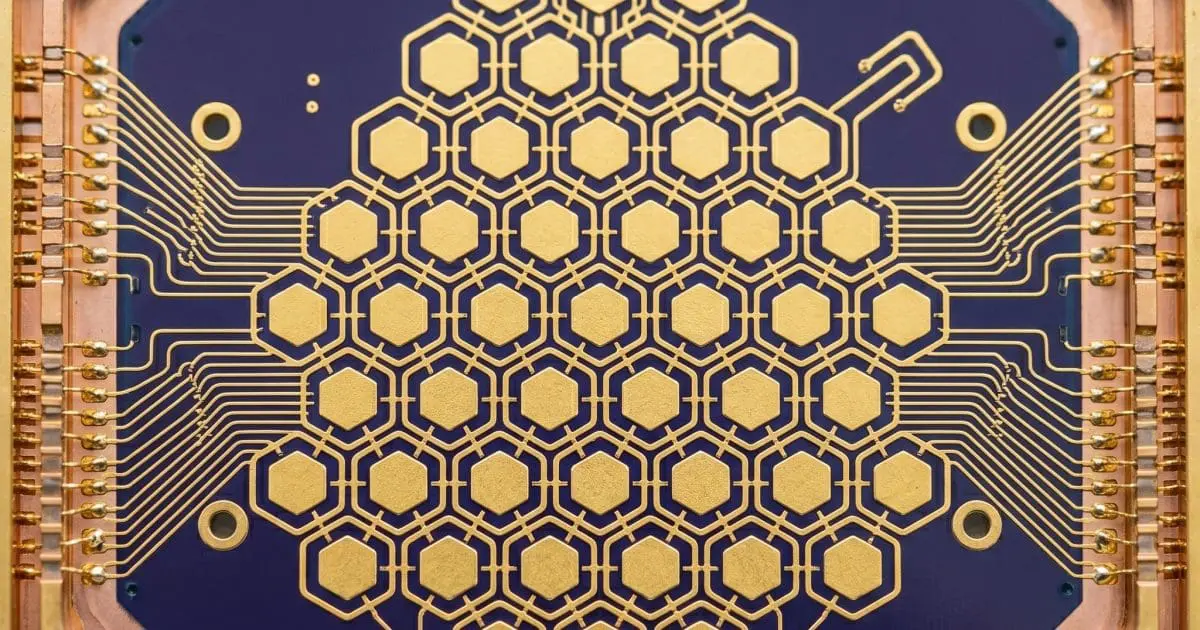
FreeYaMind Campus, in partnership with IBM, is investing over €100 million to establish the first private quantum computer in Central and Eastern Europe, located in Iași, Romania. Expected to be delivered this autumn, the system will offer regional universities, researchers, and companies direct access to cutting-edge quantum technology. This initiative was strategically aided by Alexandru Ioan Cuza University of Iași, which proactively introduced a quantum computing course prior to the technology’s widespread availability, and aims to bolster Romania’s IT sector and retain skilled specialists. The highly sensitive computer requires specialized infrastructure to maintain its extremely low operating temperature and shield it from external interference.
7. QUANT-NET: Pioneering a Distributed Quantum Computing Testbed with Industry Integration
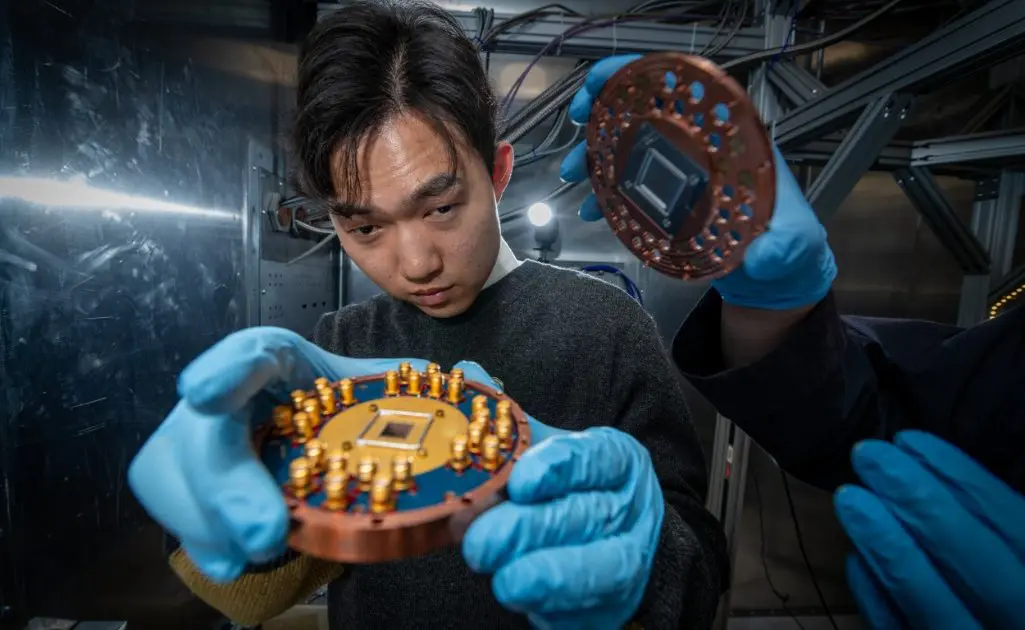
Researchers at Lawrence Berkeley National Laboratory and ESnet are building QUANT-NET, a unique three-node testbed dedicated to distributed quantum computing, connected by a 5-kilometer fiber network between Berkeley Lab and UC Berkeley. This project advances scalable quantum networks through custom ion-trap nodes, a modular software platform, and crucial quantum frequency conversion for long-distance communication, all while collaborating with industry partners to test and deploy their technologies. Beyond network development, the Quantum Systems Accelerator at Berkeley Lab is also diversifying qubit technologies (trapped ions, superconducting systems, and neutral atoms) and fostering a robust quantum ecosystem through open-source tools, workforce development, and industry partnerships. This holistic approach aims to bridge the gap between experimental quantum research and practical applications.
8. IQM Delivers Poland’s Second Quantum Computer, Boosting On-Site Research & Education
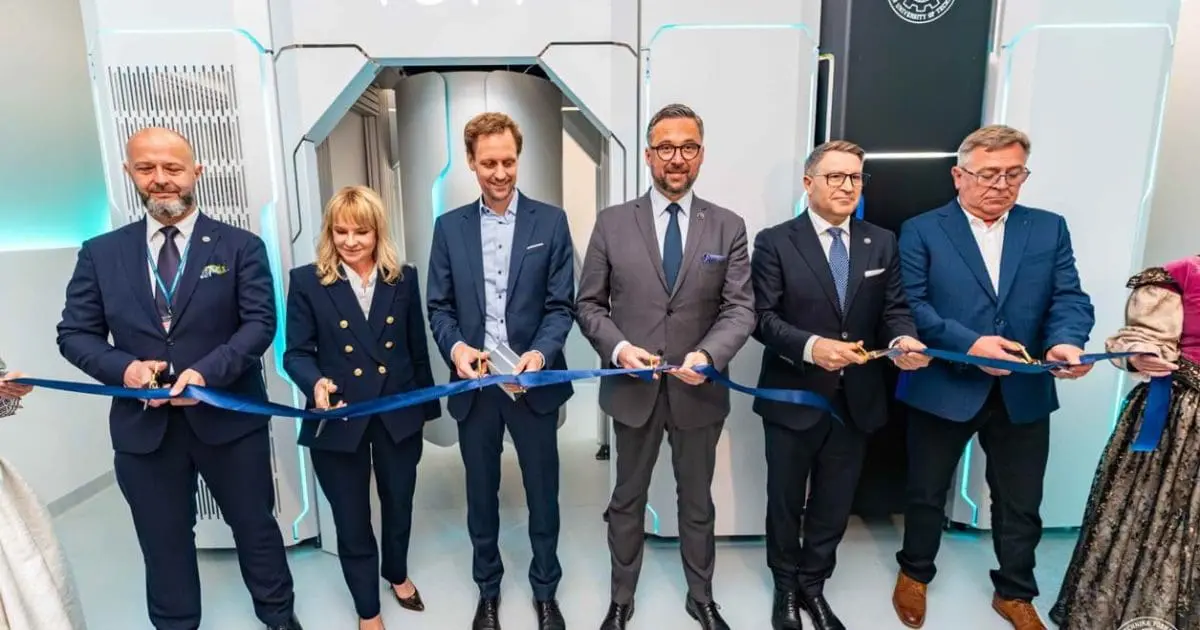
IQM Quantum Computers has deployed a second operational quantum computer, the Radiance R1, to Poznan University of Technology (PUT) in Poland, marking the first on-premises installation in the country. This move signifies a shift beyond cloud-based access, enabling direct, hands-on research and fostering internal quantum expertise at the university. PUT plans to integrate the system into its curriculum with new engineering and master’s degree programs, as well as outreach initiatives, aiming to cultivate a skilled quantum workforce and advance technological sovereignty within Poland and Europe. IQM’s successful deployment of 23 systems globally highlights the increasing commercial viability and demand for accessible, on-site quantum computing capabilities.
9. D-Wave Secures $25M for Superconducting Qubit Manufacturing Advancement

D-Wave, through its subsidiary Quantum Circuits, LLC, has been awarded $25 million in second-year funding from the U.S. Department of Defense via the NORDTECH consortium as part of the SQFab project. This funding recognizes D-Wave’s success in designing and fabricating key superconducting quantum computing components, with a focus on transitioning from research to scalable manufacturing processes. The project aims to bolster domestic semiconductor supply chains and advance U.S. microelectronics capabilities, leveraging a collaborative approach uniting research facilities, government labs, and academic institutions. Notably, D-Wave remains the only company offering both annealing and gate-model quantum computing systems, strengthening its position in the burgeoning quantum landscape.
10. Quantum Machines Achieves 99.5% Fidelity on Rigetti’s Novera with Automated Calibration
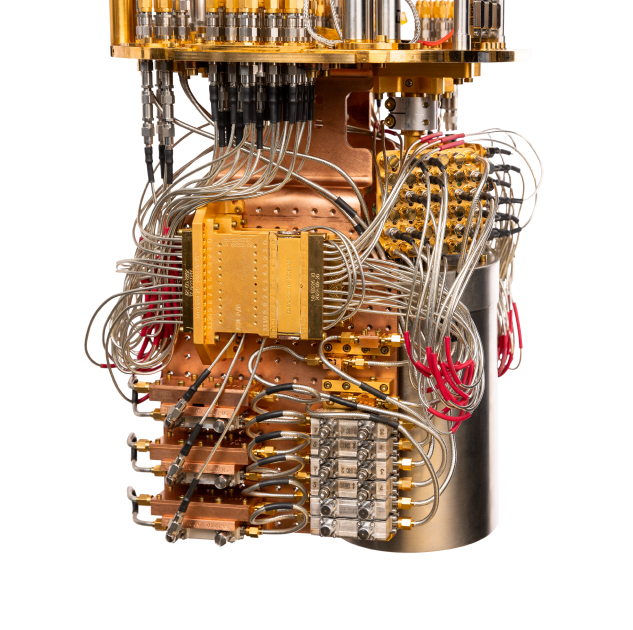
Quantum Machines has announced a significant breakthrough, achieving 99.5% median two-qubit gate fidelity on Rigetti’s commercially available Novera quantum processor using their OPX1000 platform and QUAlibrate software. This result represents the highest reported full-system Novera performance achieved with a third-party control system, demonstrating stable operation outside of Rigetti’s internal labs. The achievement highlights a move towards automated calibration and scalable operation, crucial for deploying quantum computing technology beyond research institutions and into broader commercial and research settings. This milestone signifies progress in the maturing quantum ecosystem and the ability to reliably operate quantum processors with external software and hardware stacks.
See today’s quantum computing news on Quantum Zeitgeist for the latest breakthroughs in qubits, hardware, algorithms, and industry deals.