University of Chicago researchers are leveraging the sensitivity of quantum bits to study life at a detailed scale, following a 2025 development where they created a functioning qubit from a protein found in living cells. A new $400,000 grant from the U.S. National Science Foundation’s CAREER program will fund efforts to address photobleaching and improve readout fidelity, aiming to measure cellular functions at the single-molecule level.
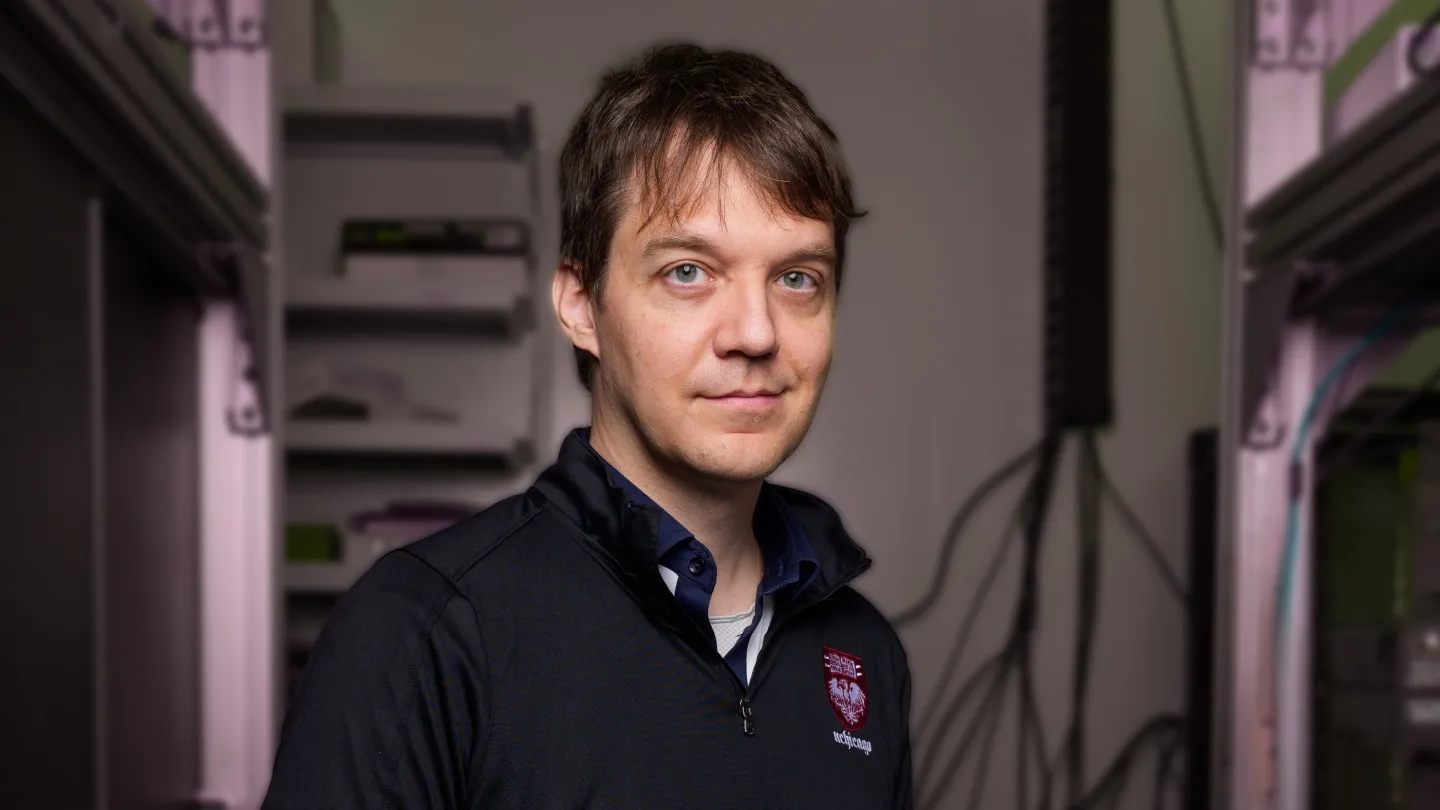
“Improving biological qubits’ use as sensors will enable biologists to study fundamental mechanisms of disease at an atomic resolution,” said grant recipient Assoc. Maurer. “It is an exciting time for a technology that unites quantum research and life sciences.”
Protein Qubit Development Enables Single-Molecule Cellular Insight
A functioning quantum bit created from a protein within living cells was achieved by University of Chicago researchers in 2025, marking the first instance of a protein quantum qubit capable of detecting subtle changes within biological systems. National Science Foundation’s Faculty Early Career Development Program will directly address challenges hindering its wider application.
The funding specifically targets photobleaching and readout fidelity, critical factors in achieving reliable single-molecule level studies. The inherent sensitivity of qubits, often considered a hindrance in the development of quantum computers, is deliberately leveraged in this application to measure cellular functions at a detailed scale.
While conventional quantum computing strives to shield qubits from environmental interference, these biological qubits rely on that sensitivity to register minute alterations within the cell, potentially revealing atomic-resolution details of diseases like cancer and neurodegenerative disorders. Assoc. “Having a sensitive probe that cannot be targeted to the right location will not help.” The University of Chicago team’s protein-based qubit circumvents this issue, offering complete biocompatibility and the potential for precise genetic encoding, allowing researchers to position the sensor at predetermined sites within the cell with atomic precision.
This level of control is a key advantage over existing technologies, enabling targeted investigations of specific cellular components and processes. The NSF CAREER grant will facilitate a deeper understanding of how photobleaching, the fading of fluorescent signals, impacts the protein qubit’s performance, and will support the development of novel readout methods optimized for single-molecule detection.
Researchers will also focus on enhancing molecular spin coherence, a measure of how long the qubit maintains its quantum state, and significantly improving sensitivity beyond current benchmarks. This interdisciplinary work, combining quantum technology and bioengineering, is a rapidly expanding area at the University of Chicago Pritzker School of Molecular Engineering, and is central to the Berggren Center for Quantum Biology and Medicine.
Improving biological qubits’ use as sensors will enable biologists to study fundamental mechanisms of disease at an atomic resolution, providing critical insights into conditions ranging from cancer to neurodegenerative disorders.



See today’s quantum computing news on Quantum Zeitgeist for the latest breakthroughs in qubits, hardware, algorithms, and industry deals.