Welcome to this week’s quantum technology digest. This compilation covers advances across hardware development, software tools, and early applications of quantum computing. Several articles demonstrate IBM’s continued leadership, with updates to its processors, error mitigation techniques, and simulation capabilities.
This week’s developments span a wide range of research. We see progress in qubit architecture from MIT, benchmarking tools from Qiskit, and collaborative efforts focused on energy applications with Aramco and fault tolerance with Brookhaven Lab. QuTech’s new integration unit signals a move toward complete system development, while a University of Chicago study clarifies requirements for achieving quantum advantage.
The notable theme is practical advancement. Researchers aren’t just pursuing theoretical gains, but also actively addressing the engineering challenges of building and operating quantum systems – improving speed, reducing errors, and exploring real-world applications.
1. IBM Maps Quantum Noise Across 92 Qubits with Machine Learning Advance
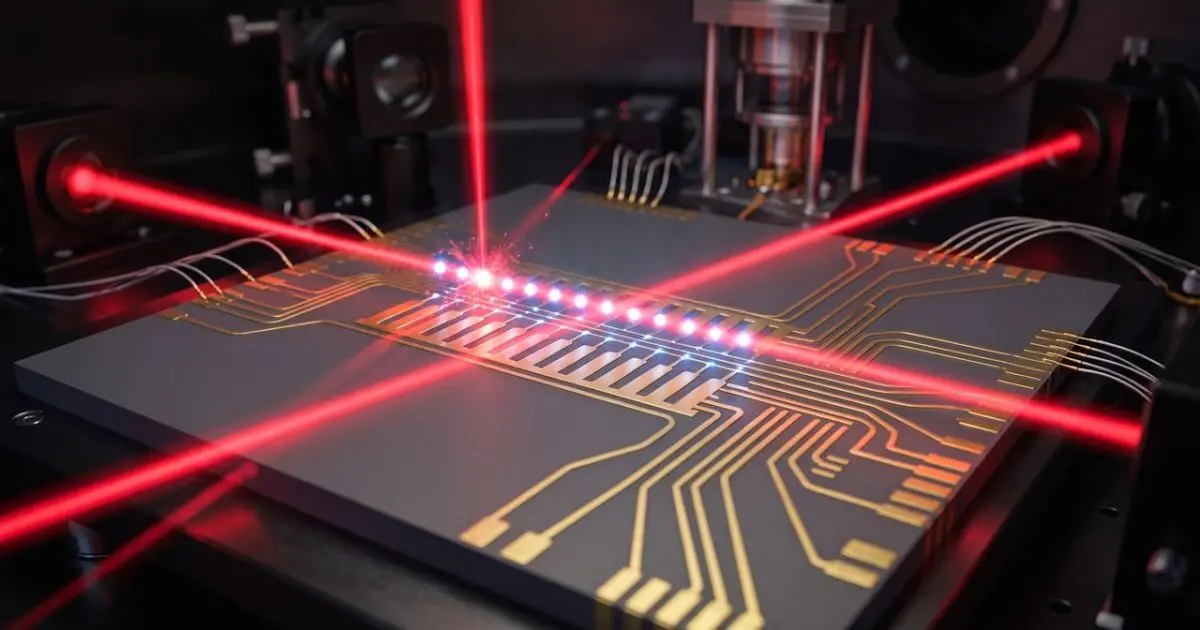
A team from IBM Quantum, along with researchers from the University of Chicago and École Polytechnique Fédérale de Lausanne, mapped noise characteristics in quantum systems using up to 92 qubits and validated the approach on up to 21 qubits. The work demonstrates that previously problematic “unlearnable” aspects of quantum noise do not prevent accurate predictions or error mitigation when using a machine learning approach called gate set Pauli noise learning. By establishing consistent parameters for characterizing noise, researchers achieved unbiased error mitigation and improved computational efficiency, particularly crucial as quantum computers scale to larger qubit counts.
2. IBM’s Nighthawk r2 Processor Achieves 25x Speed Boost for Quantum Circuits
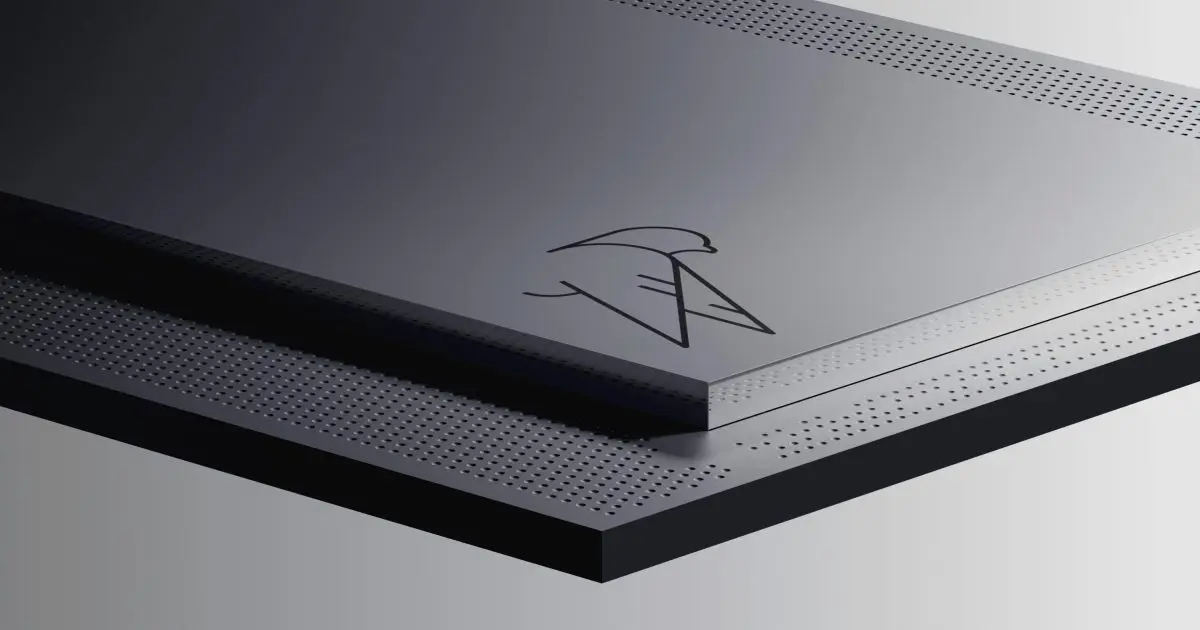
IBM Quantum has released its Nighthawk r2 processor on its Quantum Platform, delivering a 25-fold increase in circuit execution speed compared to the Heron fleet. The 120-qubit processor utilizes a new dissipative reset gadget, linking each qubit to a cold environment, to accelerate computations and improve qubit quality. Nighthawk r2 has successfully run circuits containing over 7,500 gates and enables dynamic circuits vital for advanced quantum error correction research, supporting IBM’s ongoing roadmap toward practical quantum solutions. This achievement demonstrates progress toward real-world quantum solutions.
3. QCircuitEval: New Benchmark Validates Quantum Code Function, Not Just Output
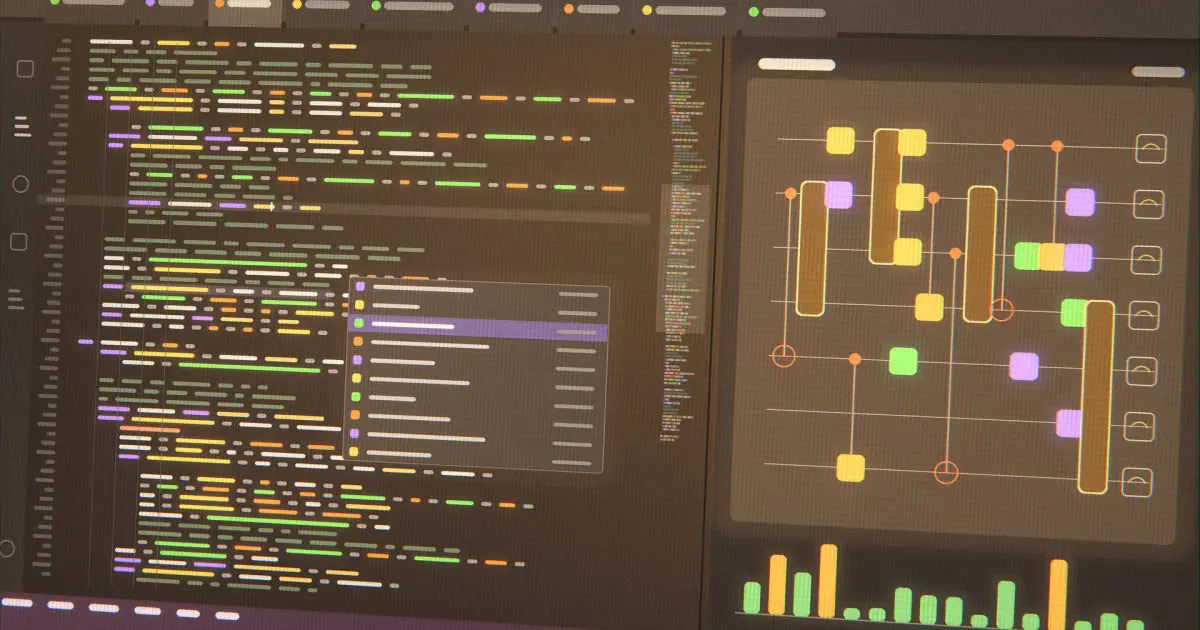
A team at Qiskit has introduced QCircuitEval, a new benchmark for assessing quantum code generated by large language models. Unlike previous benchmarks that primarily compare outputs to single solutions, QCircuitEval evaluates whether a program performs the requested computation across frameworks like Qiskit, Cirq, and PennyLane. The benchmark uses both structural and functional graders to verify correct behavior and prevent functionally correct, yet syntactically different, programs from being unfairly penalized. This addresses a known limitation of classical code evaluation methods. QCircuitEval consists of 70 tasks, including those focused on quantum error correction, and is available as an open-source tool for community contribution.
4. IBM’s Orbit Function Improves Quantum Circuit Reliability on Existing Hardware
IBM Quantum has released Orbit, a new Qiskit Function available to Premium, Flex, and On-Prem users, that enhances quantum circuit reliability through integrated dynamical decoupling, optimized transpilation, and measurement error mitigation. Orbit achieved a 27.51x improvement in fidelity on dynamic circuits, increasing fidelity from approximately 10% in raw circuits to approximately 0% with Orbit active. Bernstein-Vazirani algorithms successfully evaluated circuits reaching 70 qubits when utilizing the full Orbit workflow, compared to 26 qubits with raw circuits and 60 qubits with transpilation alone. In experiments, Orbit yielded a 1.63x improvement in average entangled Bell-state logical fidelity over 55 microseconds, reaching approximately 95.3% with Orbit active compared to approximately 44% without Orbit-style protection.
5. Quantinuum and Aramco Partner to Explore Quantum Solutions for Energy

Quantinuum and Aramco announced a non-binding agreement on September 3, 2026, to investigate quantum computing applications for the energy sector. The collaboration will focus on identifying Aramco’s complex operational challenges and evaluating how future, fault-tolerant quantum systems might address them. Both companies will share knowledge and begin preliminary technical work, laying the groundwork for potential deeper research as the technology develops. Quantinuum’s CEO emphasized the need for organizations to start building quantum computing expertise now to prepare for future benefits.
6. Structured Quantum Circuits Key to Achieving Quantum Advantage: UChicago Study

A team from the University of Chicago’s Pritzker School of Molecular Engineering, led by Su-un Lee, demonstrated that highly structured quantum circuits are necessary to realize quantum advantage. Lee developed classical and quantum algorithms to identify limitations in current circuit designs, shifting focus from simply building quantum computers to how they are programmed. He collaborated with IBM researchers during internships in 2025 and 2026 to analyze bottlenecks in existing quantum devices and translate theoretical findings into practical application, believing quantum computers are nearing the point of delivering useful results.
7. QuTech Forms Unit to Build & Integrate Full Quantum Computers
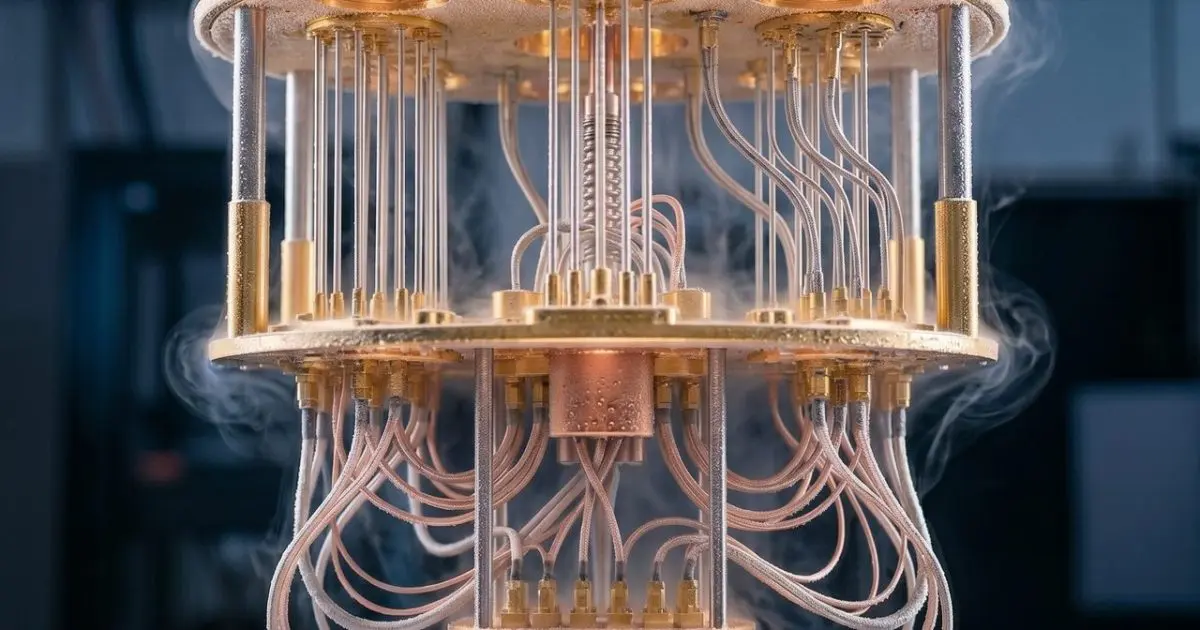
QuTech has created a Quantum Systems Integration Unit to develop complete superconducting quantum computers, building on its experience with five generations of systems offered through Quantum Inspire. The unit will focus on integrating all hardware and software components, using programs like HectoQubit/2 and OpenSuperQPlus to establish a repeatable integration blueprint. QuTech intends to offer system integration as a service, with a target for commercial offerings in 2028, and aims to strengthen Europe’s quantum computing infrastructure through collaboration with partners like TNO and Qblox.
8. MIT Develops Novel Qubit Architecture with Reduced Error Rates

A team from MIT has created a new qubit architecture featuring separate components for data storage and interaction, addressing a key challenge in maintaining qubit stability. Simulations show this “arm qubit” design achieves both faster operations and coherence times comparable to existing superconducting qubits. This separation of function, isolating data storage from interaction, improves qubit reliability and facilitates more efficient error correction, a crucial step toward building practical quantum computers. The researchers are now focused on fabricating the physical “arm qubit” to realize its potential.
9. PsiQuantum & Brookhaven Lab Collaborate on Fault-Tolerant Quantum Algorithms
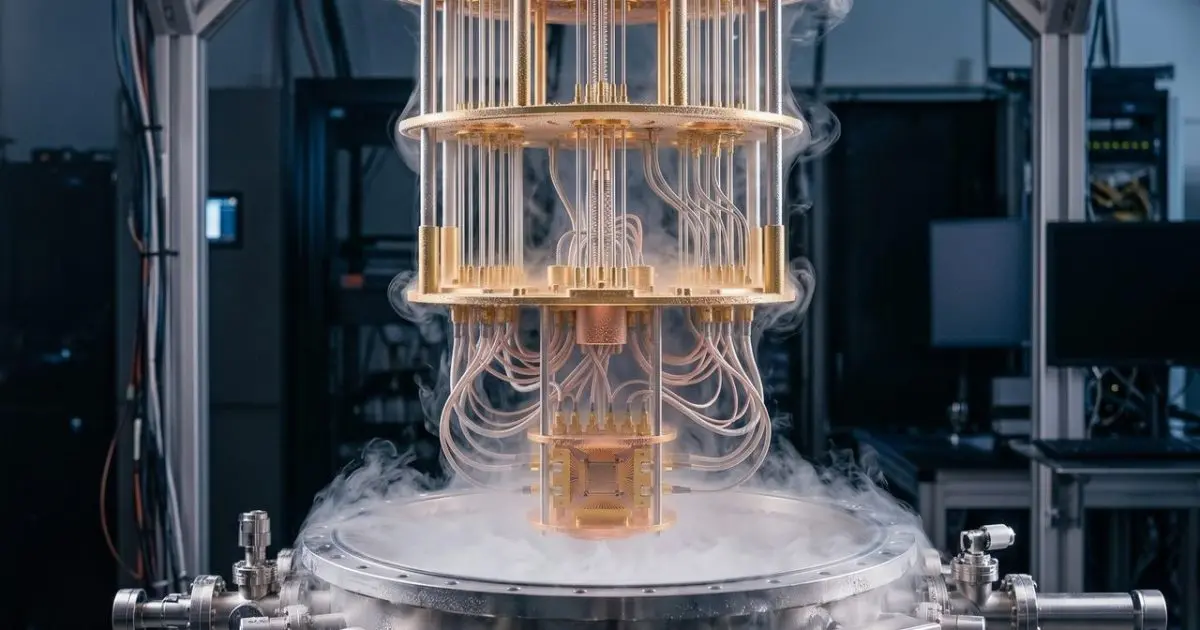
PsiQuantum and Brookhaven National Laboratory are working together to advance fault-tolerant quantum computing through the use of PsiQuantum’s Construct software platform. Released as a free resource in May 2026, Construct allows researchers to design, simulate, and optimize quantum circuits for complex problems. This partnership supports the U.S. Department of Energy’s Quantum Genesis initiative, which seeks to establish a quantum computing capability for research by 2028. The collaboration will focus on developing new quantum algorithms with applications in areas like materials science and cryptography.
10. IBM Quantum Chip Simulates 100-Site Spin Chain with High Fidelity

IBM quantum hardware successfully simulated a 100-site spin chain, achieving 97.9-99.0% fidelity in preparing ground states. Researchers used a tensor-network-based compiling protocol to create shallow circuits, requiring only 18-39 CNOT gates, and directly measured string order up to 20 sites to characterize symmetry-protected topological (SPT) order. This work demonstrates the capability of digital quantum devices to study complex quantum matter and access microscopic observables difficult to obtain with traditional methods.




See today’s quantum computing news on Quantum Zeitgeist for the latest breakthroughs in qubits, hardware, algorithms, and industry deals.