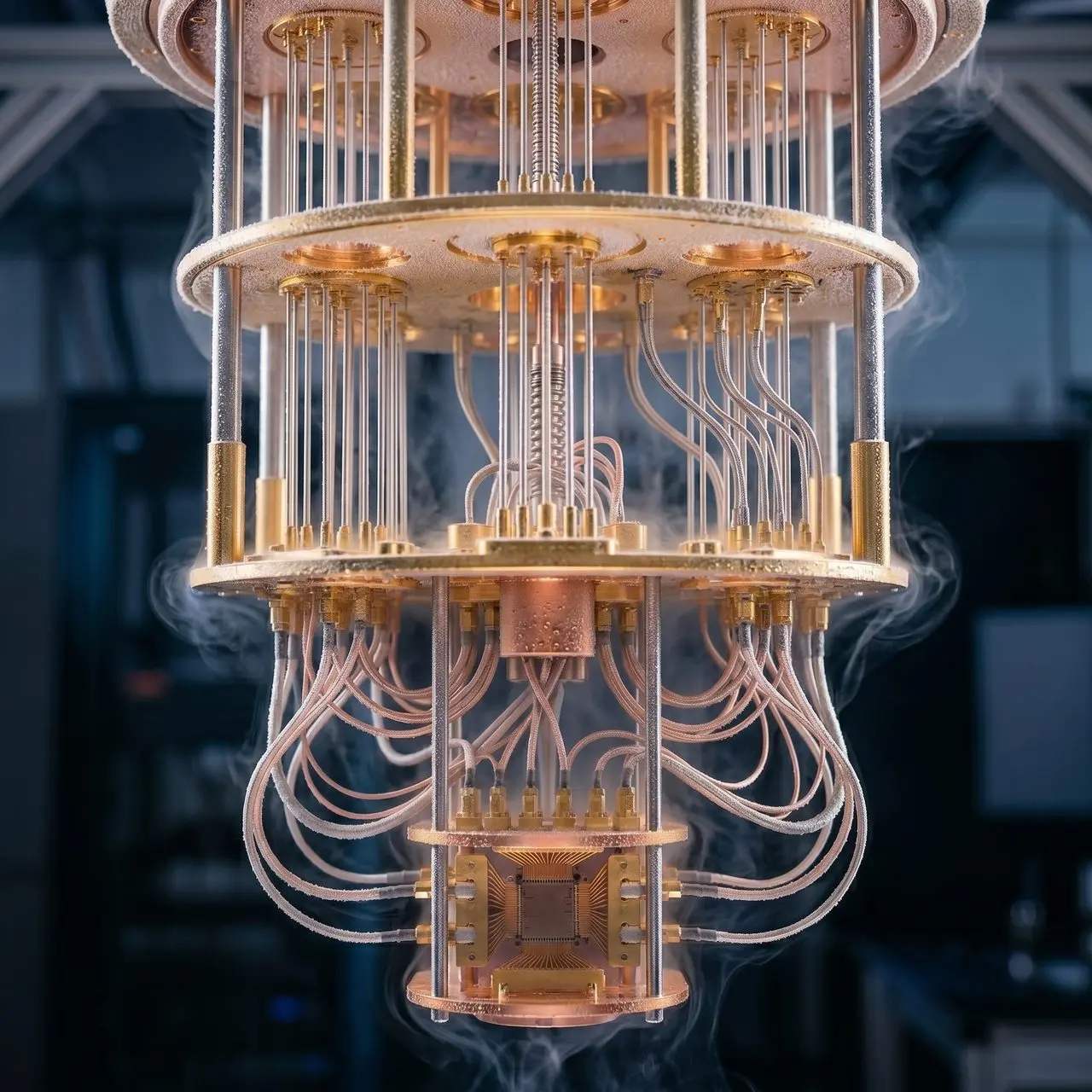
QuTech has established a Quantum Systems Integration Unit to develop complete superconducting quantum computers, building on five generations of systems already made publicly accessible through Quantum Inspire. The new unit will focus on integrating all components, from cryogenics to software, into a functioning machine, using experience gained through programs like HectoQubit/2 and OpenSuperQPlus.
This approach aims for a system architecture and component qualification, according to QuTech, and will utilize an open architecture to combine specialized technologies from European partners including TNO and Qblox. Leo DiCarlo will serve as Scientific Lead of the unit, connecting ongoing research in quantum error correction with the engineering of full quantum systems.
Full-Stack Superconducting Quantum Computer Development at QuTech
QuTech is establishing a repeatable system-integration blueprint based on experience gained from five generations of superconducting quantum computers that have been made publicly accessible via Quantum Inspire. This platform has provided the team with practical knowledge spanning the entire lifecycle, from initial processor development through ongoing operation and user support. HectoQubit/2 and OpenSuperQPlus programs further solidified this expertise, enabling development across component qualification and automated monitoring, building on this experience for the new Quantum Systems Integration Unit.
The unit’s initial focus will be building intellectual property around system architecture, integration methods, and essential tooling. Vivek Sinha acts as Strategy and Partnerships Lead, guiding efforts to identify key customer needs and potential applications for this integrated technology.
A market study is underway to evaluate various commercial routes, including turnkey system-integration projects and system integration as a service, planned for 2028, supported by a strong IP position and practical experience integrating superconducting quantum computers across the European value chain. This initiative aims to strengthen Europe’s quantum computing infrastructure by using existing technologies and fostering collaboration within the European value chain. The unit’s work will focus on open-architecture quantum computers suitable for both high-performance computing and research infrastructures, alongside services supporting deployment, operation, and access to compute time.
Europe has excellent companies and research groups across many parts of the quantum computing stack. A strong system integrator can connect those technologies into complete practical and usable machines. Expanding that capability in Delft strengthens both the Dutch ecosystem and Europe’s ability to develop its own quantum computing infrastructure.
This emphasis on a European quantum value chain aims to strengthen the region’s quantum computing infrastructure by connecting processors, control technology, cryogenics, and software into cohesive systems, ensuring a domestically sourced capability.
Delft has built up years of experience in developing and operating complete quantum systems. We now want to turn that experience into a repeatable integration capability, build the IP around it and understand where customers see the greatest need. That creates a strong basis for future venture creation.

See today’s quantum computing news on Quantum Zeitgeist for the latest breakthroughs in qubits, hardware, algorithms, and industry deals.