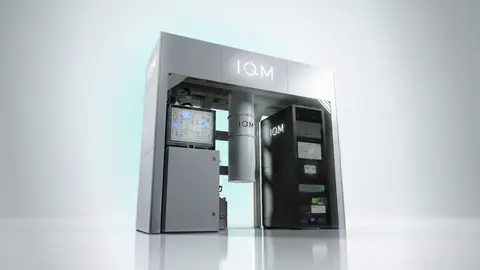
IQM Quantum Computers and Telefónica will install the IQM Spark quantum computer at Universidad Politécnica de Madrid before the end of 2026, establishing the first quantum computing system within the Community of Madrid. This deployment marks the third such system created through the Telefónica and IQM collaboration in Spain, directly providing researchers, students, hospitals and start-ups with access to quantum hardware.
“By investing in its own quantum computer, the Community of Madrid is creating an infrastructure that will enable its researchers, students and industries to grow their capabilities over the long term,” said Jan Goetz, CEO and Co-founder of IQM Quantum Computers. The initiative aims to encourage a local quantum ecosystem and strengthen Madrid’s position as a hub for digital innovation.
The Universidad Politécnica de Madrid will soon host an IQM Spark quantum computer, an all-in-one system tailored for research, education and early development of quantum applications. The system joins two other quantum computers already deployed by Telefónica and IQM at the CESGA (Galician Supercomputing Centre), demonstrating a growing commitment to quantum infrastructure in Spain, the company says.
The IQM Spark’s arrival is expected to significantly enhance the region’s capacity for developing quantum capabilities through hands-on experience, moving beyond remote access models. Telefónica’s involvement extends beyond hardware provision. The company is also developing post-quantum cryptography standards for secure data communications between its data centers in Spain.
Borja Ochoa, non-executive Chairman of Telefónica España and CEO of B2B, explained, “This project marks another step forward in Telefónica’s close collaboration with the Community of Madrid in the deployment of quantum technologies, both in networks and in the encryption and protection of critical data in particularly sensitive sectors such as healthcare and security, and now also through the research opportunities offered by quantum computing.” The company is actively building a national ecosystem through technology development and strategic projects, including applications in cancer treatment and sustainable packaging. The establishment of this quantum computing infrastructure within the Community of Madrid aims to attract talent and solidify Madrid’s position as a leading hub for advanced digital innovation.
By bringing together stakeholders involved in developing practical use cases, the initiative seeks to deliver tangible benefits to local industry and contribute to European technological sovereignty. IQM’s broader international footprint, with full-stack quantum computers deployed across Europe, Asia and North America, emphasises the growing global demand for accessible quantum hardware and the increasing focus on translating experimentation into high-impact applications.
This project marks another step forward in Telefónica’s close collaboration with the Community of Madrid in the deployment of quantum technologies, both in networks and in the encryption and protection of critical data in particularly sensitive sectors such as healthcare and security, and now also through the research opportunities offered by quantum computing.
Borja Ochoa, non-executive Chairman of Telefónica España and CEO of B2B



See today’s quantum computing news on Quantum Zeitgeist for the latest breakthroughs in qubits, hardware, algorithms, and industry deals.