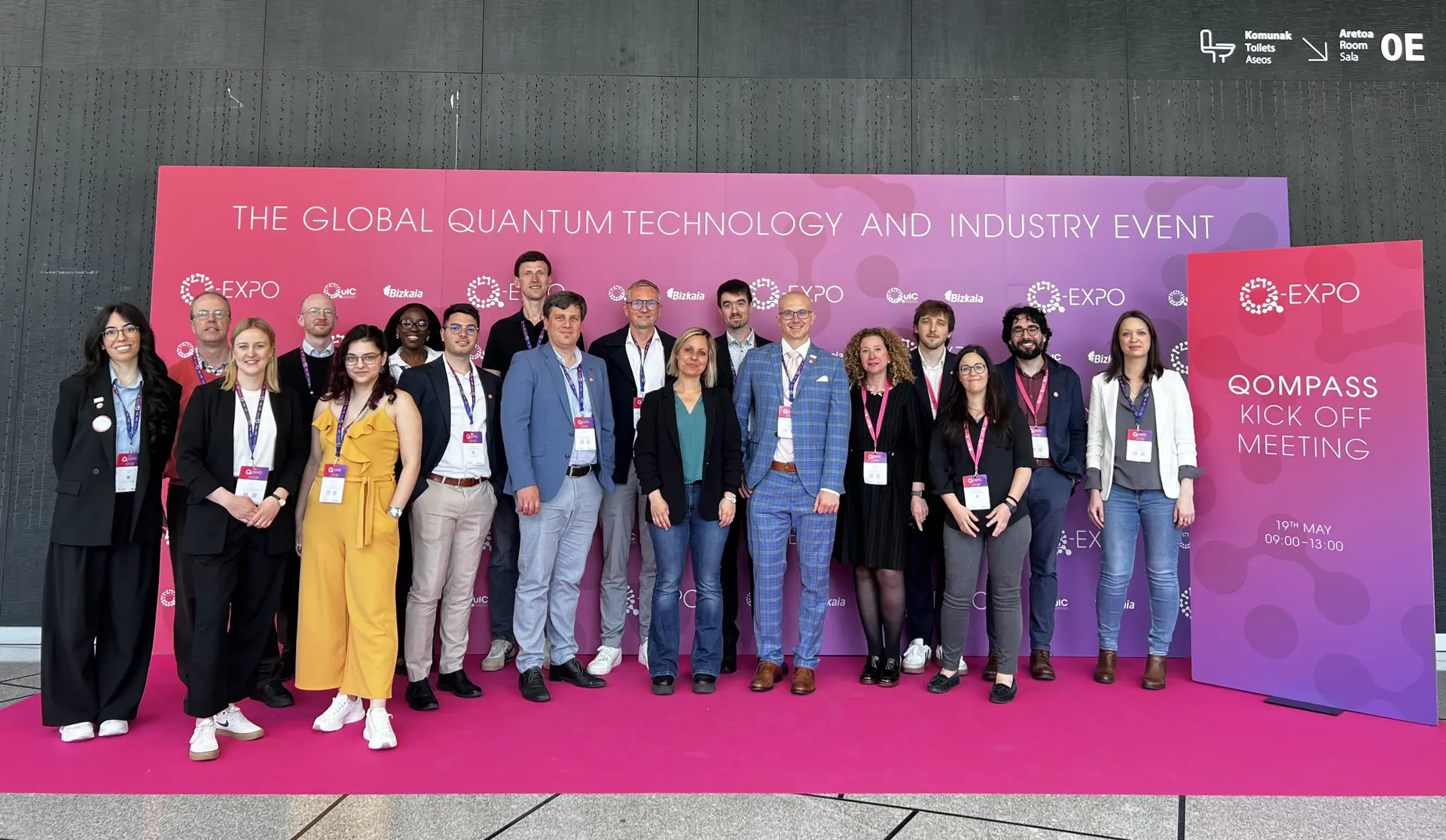
At Q-Expo in Bilbao, the Quantum Flagship launched QOMPASS, a new initiative designed to bolster collaboration across the European quantum ecosystem as policymakers prepare for the forthcoming Quantum Act. This coordination effort arrives as the European Union seeks to translate its scientific leadership in quantum technologies into lasting industrial strength and global competitiveness, with a central focus on strengthening technological sovereignty. QOMPASS builds upon the foundation of the Quantum Flagship’s previous Coordination and Support Action, QUCATS, expanding existing efforts to connect projects focused on quantum computing, communication, sensing, and simulation. The project will also support more informed public and policy discussions, aiming to promote “balanced and realistic communication that neither feeds the hype nor trivialises the risks” surrounding these emerging technologies.
QOMPASS Initiative Strengthens European Quantum Ecosystem Collaboration
Europe’s quantum ambitions are receiving support through QOMPASS, a new coordination initiative launched at Q-Expo in Bilbao, bringing together key players from research, industry, and policy. This initiative coincides with the forthcoming Quantum Act, proposed EU legislation designed to solidify Europe’s position as a global leader in quantum technologies while addressing related economic, ethical, and security concerns. Strengthening Europe’s technological sovereignty is a central goal, and QOMPASS is specifically tasked to support the implementation of the broader Quantum Europe Strategy and prepare the governance framework for the Act. This continuation suggests a commitment to leveraging existing infrastructure and accumulated knowledge to enhance connections between ongoing quantum projects across computing, communication, sensing, and simulation. Beyond coordinating research efforts, QOMPASS aims to foster tighter collaboration between academic institutions, private sector companies, and governmental bodies, ensuring a holistic approach to quantum technology development. The initiative’s focus extends to supporting more informed dialogue surrounding the Quantum Act, recognizing both the long-term potential and the immediate applications of these emerging technologies across Europe.
Q-Expo Launch Prepares Governance for the Upcoming Quantum Act
The launch of the QOMPASS initiative at Q-Expo in Bilbao signaled a proactive step toward governing the rapidly evolving quantum landscape in Europe. This new coordination effort directly supports the implementation of the Quantum Europe Strategy, a plan designed to translate scientific advancements into sustained industrial strength and technological competition. QOMPASS expands upon the foundation laid by QUCATS, the Quantum Flagship’s prior Coordination and Support Action, demonstrating a commitment to building upon existing infrastructure. By fostering collaboration between academic, industrial, and governmental entities, QOMPASS recognizes the dual nature of quantum technologies, their long-term transformative potential alongside more immediate, emerging applications, and seeks to ensure responsible development as the Quantum Act nears implementation.
The project will promote balanced and realistic communication that neither feeds the hype nor trivialises the risks, recognising both the long-term transformative potential of some technologies and the more immediate applications already emerging across Europe.
Quantum Flagship




See today’s quantum computing news on Quantum Zeitgeist for the latest breakthroughs in qubits, hardware, algorithms, and industry deals.