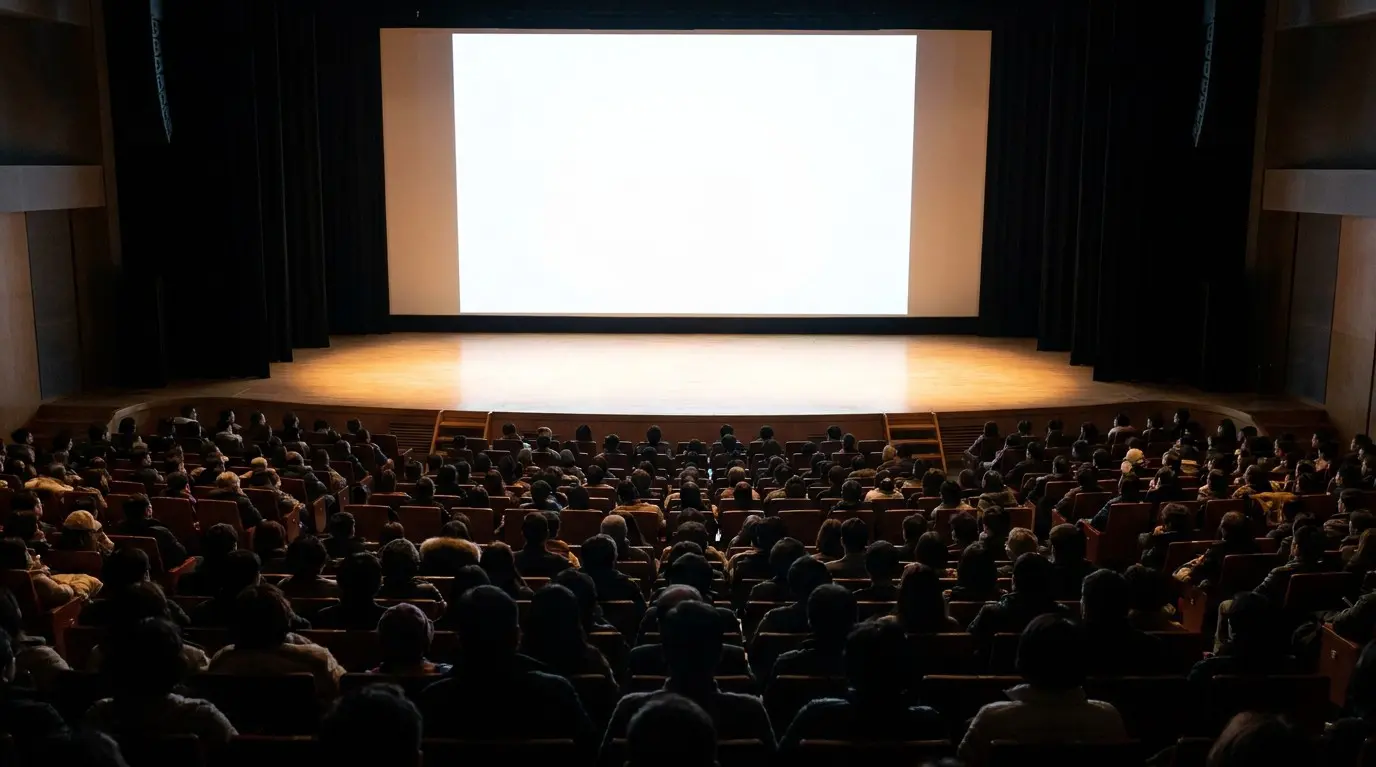
Kristian Gogoran will present at unitaryCON26, a workshop co-hosted by Xanadu offices and the University of Toronto, connecting a commercial entity with the quantum open-source community. Attendees at the Unitary Foundation’s annual event, designed to advance open-source quantum software and hardware, can also find OrangeQS at booth 306 during IEEE Quantum Week in Toronto between September 13 and 18, the company says.
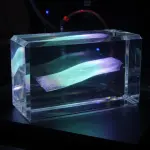
There, Dianto Bosman, Marlo Kürner, and Gogoran will discuss OrangeQS’s MAX and FLEX test equipment while offering orange juice. The workshop provides a forum to share projects and strengthen collaboration across the quantum software community.
OrangeQS Showcase of MAX and FLEX Equipment at IEEE Quantum Week 2026
From September 13 through 18, attendees at IEEE Quantum Week in Toronto can examine OrangeQS’s MAX and FLEX test equipment at booth 306 while enjoying fresh-pressed orange juice, intended to create a welcoming atmosphere for discussion. The company intends the showcase to facilitate conversations about its testing capabilities as the quantum field matures and demands more rigorous validation procedures.
The Unitary Foundation’s event will gather leading contributors, developers, and researchers, creating a unique opportunity for advisors, grantees, ambassadors, staff, and community members to connect and explore new avenues for advancing the field. This co-location with IEEE Quantum Week aims to foster a broader exchange of ideas between industry professionals and open-source developers, potentially accelerating innovation in quantum technologies.

See today’s quantum computing news on Quantum Zeitgeist for the latest breakthroughs in qubits, hardware, algorithms, and industry deals.