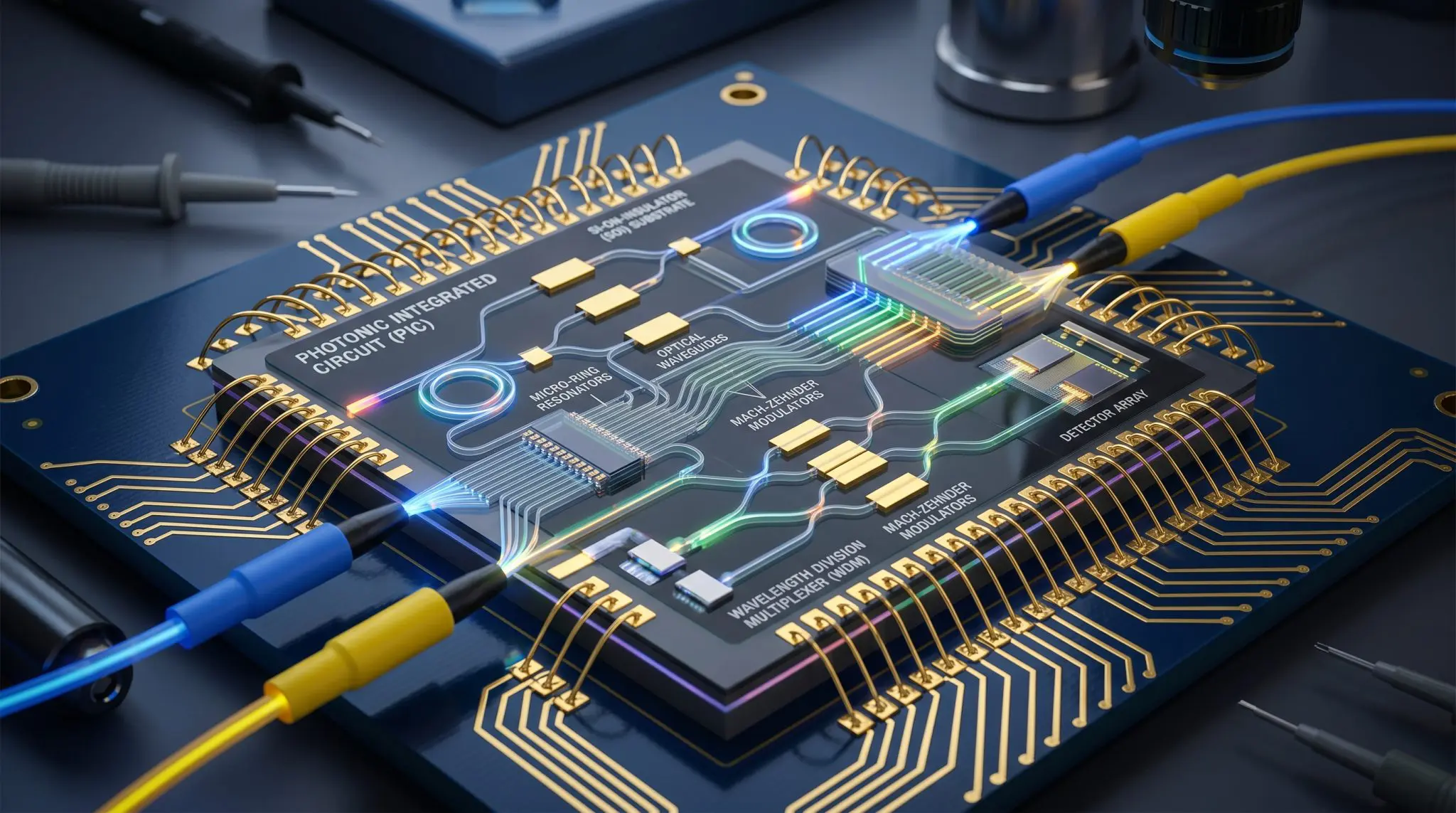
Xanadu Quantum Technologies has achieved an average loss in its photonic chips, establishing a new industry benchmark critical for building practical photonic quantum computers. This milestone results from the convergence of Xanadu’s advancements in chip design, fabrication, and packaging solutions, facilitated by its advanced photonic chip packaging facility launched last year. “Minimizing loss is paramount to unlocking the full potential of photonic quantum computing,” stated Dr. Christian Weedbrook, Founder and Chief Executive Officer of Xanadu. “This loss achievement is not just an incremental improvement; it represents a significant leap forward in our ability to deliver highly-efficient and scalable quantum hardware.” This achievement underscores Xanadu’s proactive hardware development approach and its commitment to advancing photonics and quantum technologies.
Advancements in Chip Design Enable Ultra-Low Edge-Coupling Loss
This level of performance, a key indicator of system feasibility, stems from advanced integrated photonic chip design, fabrication techniques, and packaging innovations within the company’s hardware development pipeline. Xanadu’s internal advanced photonic chip packaging facility, operational since last year, proved instrumental in this milestone, specifically designed to accelerate the creation of integrated photonic platforms and scale production capabilities. The company’s success wasn’t achieved in isolation; collaborative efforts with industry partners, including a joint development agreement to engineer customized fiber solutions, were crucial for enabling low-loss networking of quantum computing chips. According to Dr.
This loss achievement of dB/facet is not just an incremental improvement; it represents a significant leap forward in our ability to deliver highly-efficient and scalable quantum hardware.
Dr. Christian Weedbrook, Founder and Chief Executive Officer of Xanadu
With continued advancements, Xanadu aims to push the boundaries of photonics and quantum technologies, bringing practical photonic quantum computing closer to reality.



See today’s quantum computing news on Quantum Zeitgeist for the latest breakthroughs in qubits, hardware, algorithms, and industry deals.