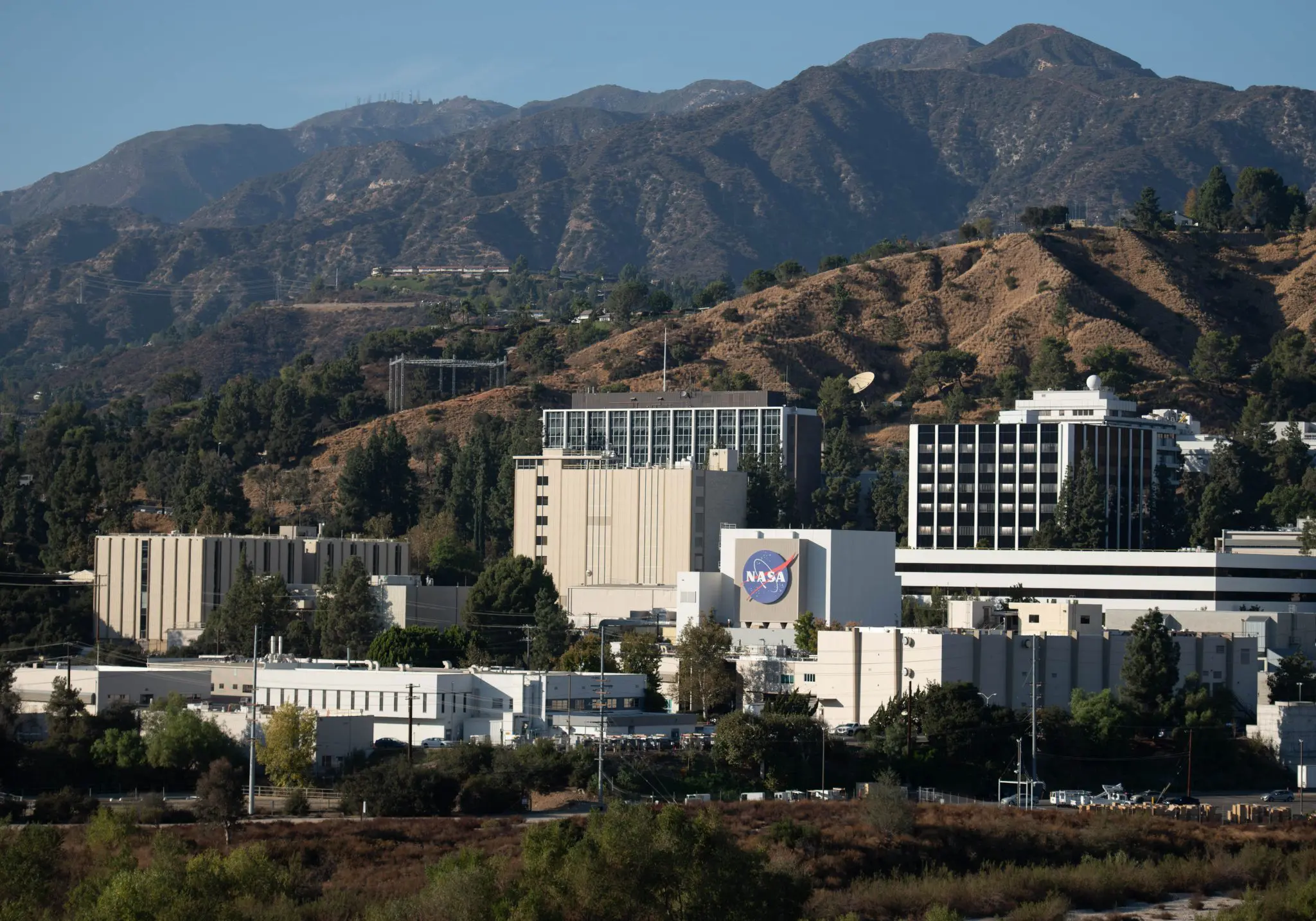
For the first time since the 1930s, NASA will open the management contract for the Jet Propulsion Laboratory to competitive bidding, breaking with a long-standing sole-source arrangement with the California Institute of Technology. This decision, announced Friday, reflects a shift in strategy driven by the growth of the U.S. space economy and a broader government effort to enhance efficiency and value. NASA Administrator Jared Isaacman stated that as America’s space economy evolves, the agency has a responsibility to the American people and the scientific community to evaluate how it can execute faster, operate more efficiently, and continue to deliver high-quality science and engineering. The current contract with Caltech, valued at a potential $30 billion, concludes September 30, 2033, and NASA has begun the procurement process to ensure continuity for ongoing missions while seeking improvements.
Caltech’s Decades-Long Management of Jet Propulsion Laboratory
The Jet Propulsion Laboratory transitioned from U.S. Army control to NASA, and this longstanding arrangement is now undergoing a fundamental shift as NASA initiates a competitive bidding process for the laboratory’s management and operations. The current contract, initiated on October 1, 2023, and scheduled to conclude September 30, 2033, has a potential maximum value of $30 billion if all options are exercised, underscoring the scale of responsibility now open to competitive proposals. NASA’s decision to move away from the decades-long partnership with Caltech is presented not as dissatisfaction with performance, but rather as alignment with a broader government and agency effort to find efficiencies, according to the agency’s announcement. This change in approach is directly linked to the evolving economic climate; Isaacman specifically cited the growth of the U.S. space economy as justification for opening the contract to competition, suggesting a belief that a competitive market now exists for managing complex scientific facilities.
The agency anticipates that a competitive process will yield opportunities to enhance mission performance, innovation, and overall cost and operational efficiency at JPL, moving beyond the established, but potentially less dynamic, sole-source arrangement. NASA is committed to maintaining continuity for both current and future missions throughout the procurement process and also intends to preserve the laboratory’s existing physical location, mirroring practices adopted by the Department of Energy, which has competitively awarded five of its sixteen FFRDC management contracts over the past decade. Isaacman emphasized the importance of maintaining high-quality science and engineering while improving operational value, stating, “The Jet Propulsion Laboratory has delivered some of the most extraordinary scientific and engineering achievements in NASA’s history.”
NASA Initiates Competition for $30 Billion FFRDC Contract
For nearly a century, the California Institute of Technology has held exclusive management of NASA’s Jet Propulsion Laboratory, a relationship originating in the 1930s when the facility transitioned from U.S. Army control; however, NASA is now initiating a competitive bidding process for the next contract overseeing JPL’s operations, a departure from decades of sole-source awards to Caltech. The U.S. space economy now supports a viable competitive market for managing such a complex operation, allowing for assessment of alternative approaches to enhance mission performance and innovation.
The Jet Propulsion Laboratory has delivered some of the most extraordinary scientific and engineering achievements in NASA’s history.
Source: https://www.nasa.gov/news-release/nasa-to-compete-contract-for-jet-propulsion-laboratory-management/




See today’s quantum computing news on Quantum Zeitgeist for the latest breakthroughs in qubits, hardware, algorithms, and industry deals.