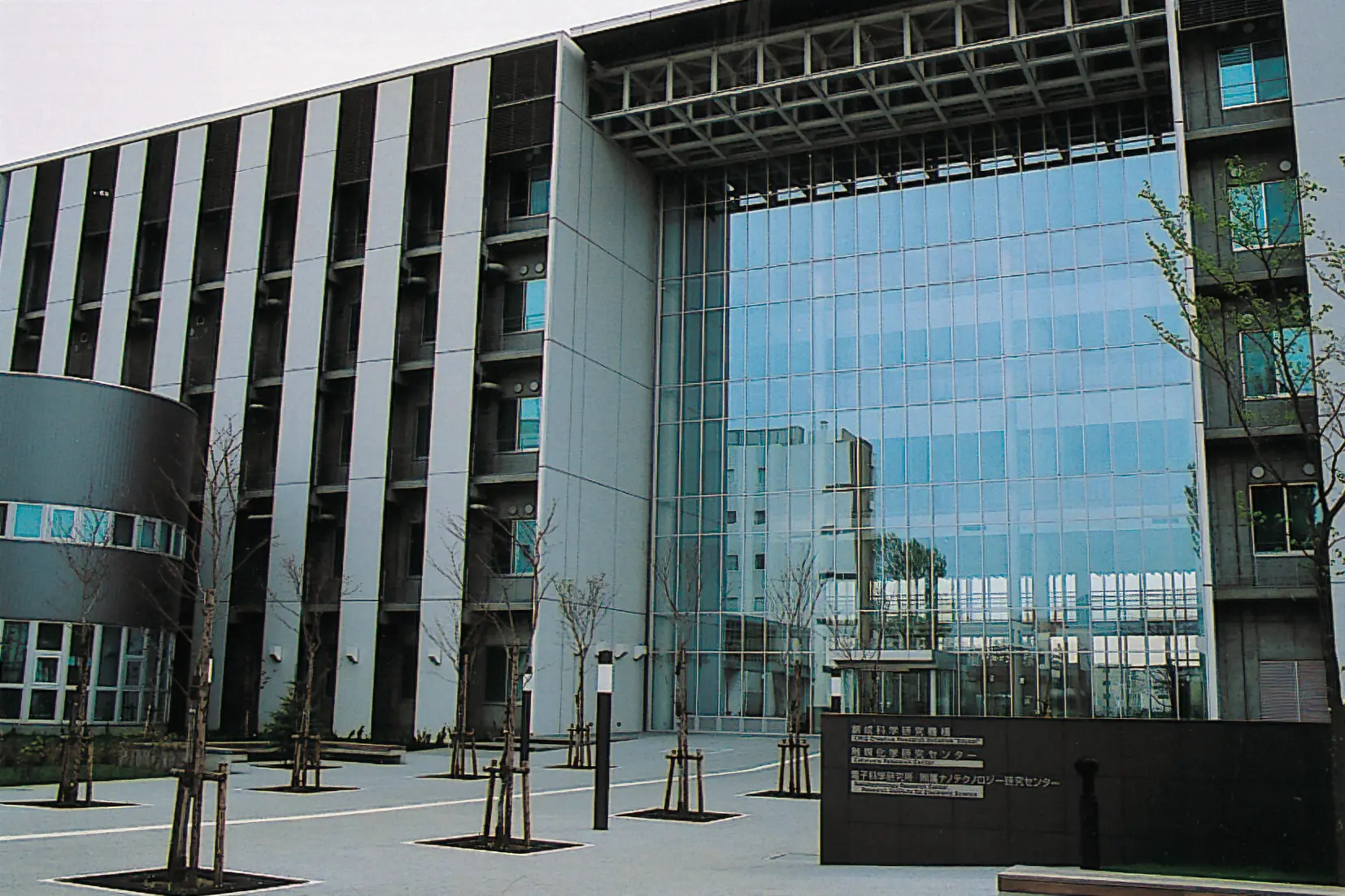
Hokkaido University has launched the Institute for Catalysis, building on its existing Catalysis Research Center. This expansion establishes eight divisions within the Department of Fundamental Research, encompassing areas from catalysis theory to macromolecular science, and represents a comprehensive approach to the field. The Institute aims to address growing needs for environmental conservation, resources, and energy, with a particular focus demonstrated by the dedicated “Research Cluster for Utilization of Natural Carbon Resources.” The university states that its mission is to meet this demand and become a global center for catalysis science research.
Complementing these divisions are four research clusters within the Department of Targeted Research, designed for focused investigation into areas like sustainable catalysts and nano-interface reaction fields. The Institute also established a Central Research Section, housing the Research Cluster for Sustainable Catalyst, and an Extensive Research Section, which includes the Research Cluster for Data-Driven Catalyst Developments. This collaborative structure, with both departmental divisions and targeted research clusters, aims to foster interdisciplinary work and accelerate innovation in catalysis science.



See today’s quantum computing news on Quantum Zeitgeist for the latest breakthroughs in qubits, hardware, algorithms, and industry deals.