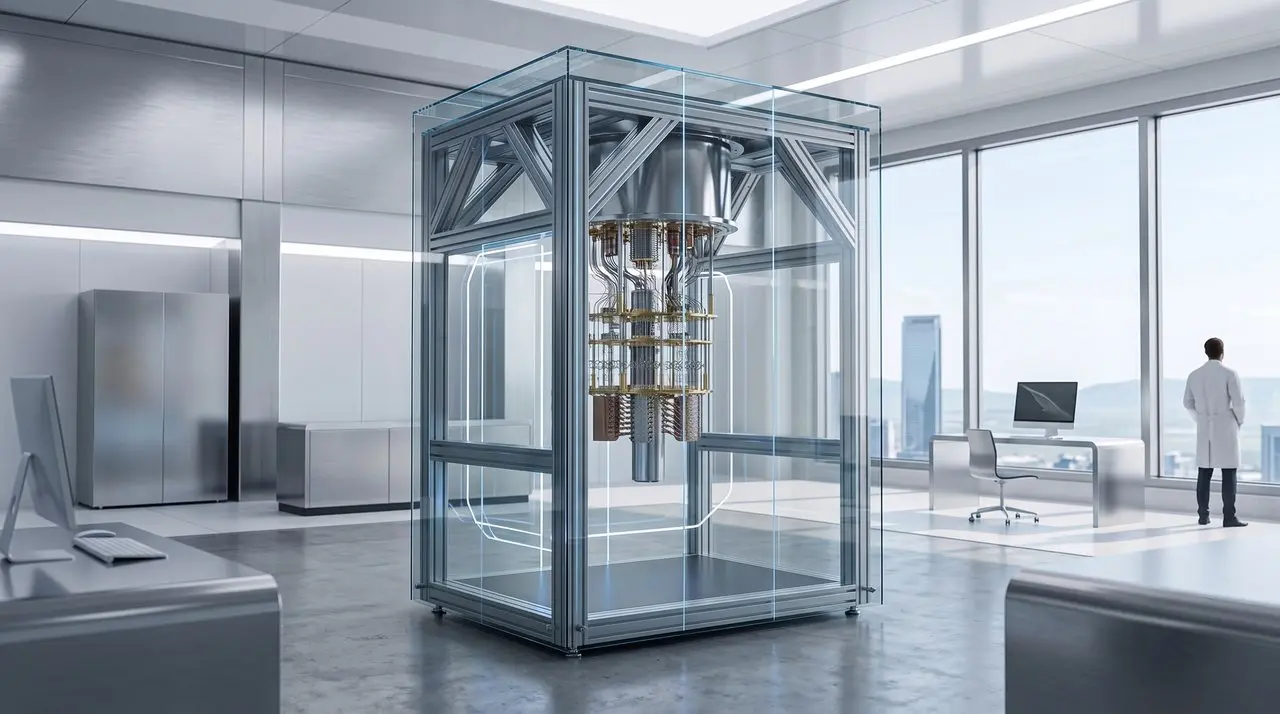
Quemix, in collaboration with Tohoku University, will develop a quantum computing platform for simulating battery materials with funding from the New Energy and Industrial Technology Development Organization (NEDO). The project falls under NEDO’s “Research and Development Project of the Enhanced Infrastructures for Post-5G Information and Communication Systems,” specifically within the “Large-Scale Demonstration for Use Cases Creation” category. Through this work, Quemix and Tohoku University aim to accelerate the industrialization of quantum computing and enhance Japan’s international competitiveness by addressing limits in conventional materials development.
Quantum simulations may reshape battery material design, supported by significant Japanese investment. The project directly responds to limitations in conventional materials science, where classical computing and experiment-driven approaches are increasingly constrained by lengthy development cycles and escalating costs. Achieving carbon neutrality demands substantial improvements in materials used for all-solid-state batteries and other key technologies, but traditional methods struggle with the inherent quantum complexity of these materials.
Quemix highlights the strategic importance of this research for Japan’s future manufacturing prowess, explaining that conventional classical computing faces difficulties fully capturing the complexity of real-world materials, particularly the electronic states and chemical bonds within storage batteries. Quemix intends to develop a quantum computing execution platform to overcome these limitations.
The effectiveness of this solver will be rigorously tested against high-precision experimental data gathered at NanoTerasu, Tohoku University’s 3 GeV high-brilliance synchrotron radiation facility, ensuring validation against real-world conditions. This project aims for tangible industrial impact; Quemix plans to integrate the developed quantum computing solver into Quloud, its existing cloud-based materials simulation platform.




See today’s quantum computing news on Quantum Zeitgeist for the latest breakthroughs in qubits, hardware, algorithms, and industry deals.