SEALSQ Corp will demonstrate an integrated security stack extending from silicon to space at the IQT Quantum + AI 2026 event in New York. The company’s QS7001 Quantum Shield implements both NIST-standardized ML-KEM and ML-DSA alongside classical cryptography, reflecting a pragmatic approach to post-quantum security. This demonstration includes a collaboration with WISeSat. Space Corp, SEALSQ’s sister company, to build the first Quantum Spatial Orbital Cloud. “Quantum and AI are converging faster than most security architectures were built to handle,” said CEO Carlos Moreira, who will deliver the event’s keynote address on October 27th.
SEALSQ and WISeSat.Space Demonstrate Integrated Root-to-Qubit-to-Space Stack
WISeSat. This initiative pairs SEALSQ’s security technologies with WISeSat. Space’s satellite infrastructure, aiming to establish a secure orbital layer for quantum services. An initial QSOC payload is scheduled for launch in the fourth quarter of this year, demonstrating a rapid transition from development to deployment. SEALSQ intends to manage the security and cloud-services layer of the QSOC, while WISeSat. Space will focus on the satellites, payloads and ground segment operations. This hybrid approach, coupled with a NIST SP 800-90B validated entropy source, suggests a pragmatic strategy for near-term post-quantum security implementation.
Complementing the Quantum Shield is the QVault TPM, bringing the Trusted Computing Group’s post-quantum command set directly into silicon, allowing for on-chip generation and storage of ML-DSA and ML-KEM keys. Both hardware lines are currently undergoing certification processes covering Common Criteria, FIPS 140-3 and TCG standards, indicating a commitment to rigorous security validation. Beyond the hardware layer, SEALSQ’s PKI and provisioning services manage credentials, establishing a Root of Trust for devices, infrastructure and artificial intelligence systems.
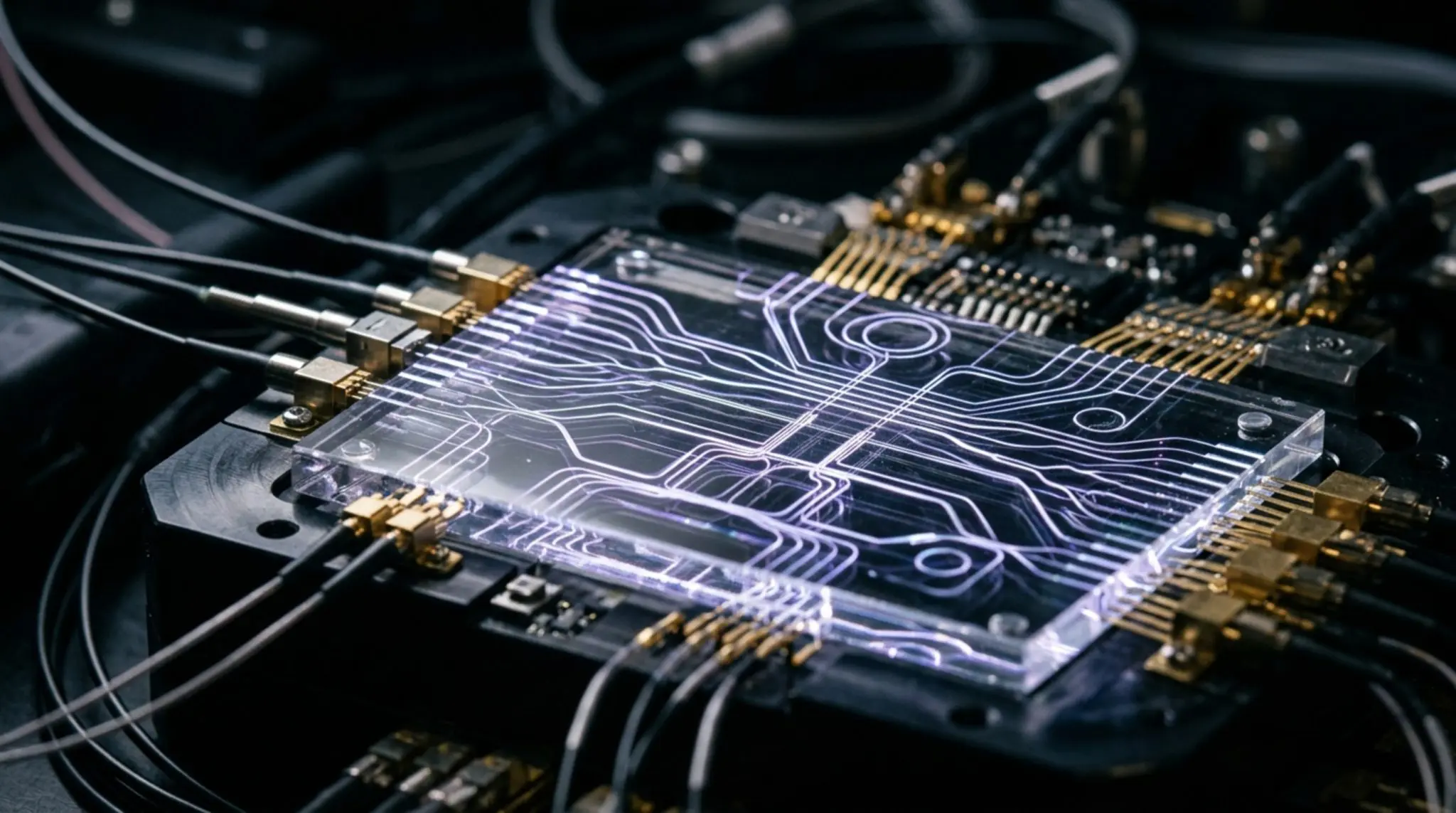
This trust model extends into quantum computing through SEALQuantum, where SEALSQ is developing a vertical stack encompassing secure semiconductors, ASIC design, photonics and quantum processors. A commercial agreement with Quobly will integrate post-quantum security, hardware Root of Trust and PKI into silicon quantum platforms, further solidifying the company’s position in the emerging quantum ecosystem.
Moreira said, “Trust has to be issued in hardware, managed through a post-quantum Root of Trust and PKI, and, where the mission requires it, carried into space. That is the stack we are bringing to New York.” This presentation positions Moreira as a central voice at a key industry event, highlighting the convergence of quantum computing, artificial intelligence and the need for robust security solutions.
Quantum and AI are converging faster than most security architectures were built to handle.
Carlos Moreira, Chief Executive Officer at SEALSQ

See today’s quantum computing news on Quantum Zeitgeist for the latest breakthroughs in qubits, hardware, algorithms, and industry deals.