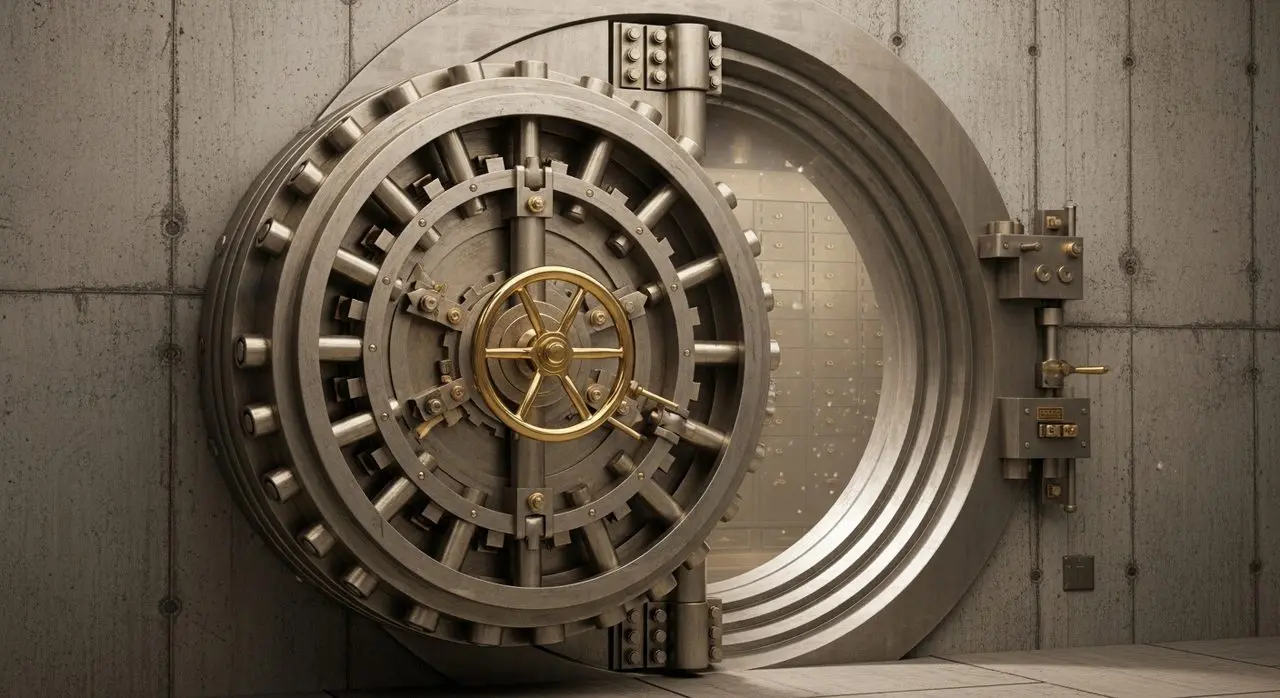
QNu Labs has a complete platform designed to shield digital infrastructure from the approaching threat of quantum computers, addressing a hidden vulnerability in every certificate currently in use. Unlike conventional cryptographic systems reliant on computational complexity, QNu’s module generates keys directly from physical phenomena, creating randomness that cannot be reverse-engineered, even with advanced computing power.
The platform’s Quantum Readiness Risk Assessment provides an ongoing report card, ranking cryptographic assets by exposure and potential damage, prioritizing systems for migration. QNu Labs explains, “You cannot fix what you cannot see,” and this module aims to provide that visibility for organizations facing the quantum threat.
Quantum Entropy Underpins Full-Stack Security
Quantum key generation at QNu Labs originates not from computational processes, but from physical phenomena; the company’s module derives randomness directly from physics, creating keys impossible to replicate even with quantum computing power or artificial intelligence. This approach fundamentally diverges from conventional cryptography, which relies on the difficulty of solving mathematical problems, and establishes a foundation impervious to algorithmic advances.
QNu Labs, founded in 2016 and headquartered in Bengaluru, India, manufactures the hardware underpinning this process, a key component of its broader security platform and a focus of its partnership with Eindhoven University to advance global quantum security. The company’s Quantum Readiness Risk Assessment module finds every certificate, key, and algorithm running across your systems, tells you which ones a quantum computer could break first, and gives you a plan to fix them in the right order.
The module locates all cryptographic assets, even those long forgotten, and prioritizes migration of the most vulnerable systems because this is important given the evolving threat landscape and changing security standards. This assessment is an ongoing report card, not a one-time certificate that goes stale the day it’s issued, but a live view of where you stand. This is particularly important because every digital certificate currently in use possesses an inherent, unprinted expiration date dictated by the algorithms upon which it relies.
QNu Labs’ Quantum PKI module issues certificates and manages identity in a way that keeps working even after the signing algorithm changes underneath it, directly tackling this certificate vulnerability. This is a proactive approach to identity management, ensuring continued trust and verification in a post-quantum world.
In April 2026, QNu Labs reached 8,000 secure bits per second of QKD throughput, a benchmark for high-speed quantum key distribution in commercial fiber networks, and in November 2025, demonstrated a 500-kilometer quantum key distribution testbed with the Indian Army’s Southern Command. These demonstrations highlight QNu Labs’ commitment to developing sovereign quantum security capabilities and its role in securing critical national communications. The company has 7 families of patents and four publications in the last twelve months, demonstrating ongoing research and development efforts.
The platform extends beyond traditional cryptography to address emerging threats, including those posed by artificial intelligence. QNu Labs’ “AI Security” module provides cryptographic assurance for AI models, training pipelines, and autonomous agents, verifying model origin and protecting against tampered weights, poisoned models, and fake identities.
This module recognizes that AI introduces new trust requirements and attack vectors, necessitating a security approach tailored to these unique challenges. “AI didn’t just add more workload; it changed what needs to be trusted, and who gets to trust it,” the company states, emphasizing the need for a comprehensive, full-stack security solution.



See today’s quantum computing news on Quantum Zeitgeist for the latest breakthroughs in qubits, hardware, algorithms, and industry deals.