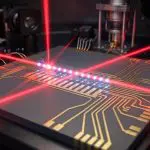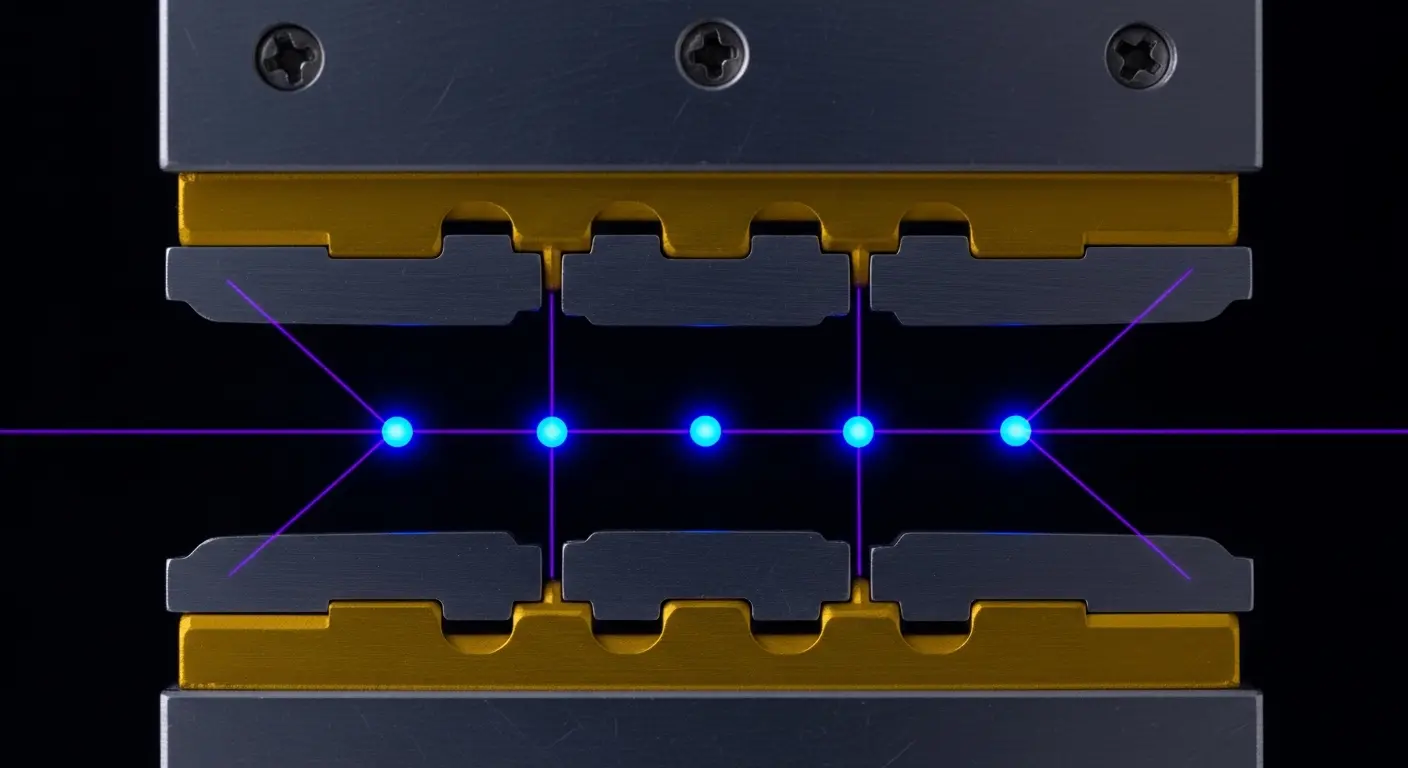
IonQ is providing an in-depth look at its approach to quantum computing with a detailed examination of trapped ion technology. The company has published a comprehensive resource outlining the hardware behind its quantum processors, focusing on the advantages of utilizing trapped ions for building stable and scalable quantum systems. This deep dive, lasting 59 minutes, explores the core principles and engineering challenges associated with this method. According to Kai Hudek, Staff Engineer in Production Engineering, the resource addresses the question “Why are trapped ions the best choice for quantum computing?”; the published materials include a case study on quantum computing applications and documentation for the Reconfigurable Multicore Quantum Architecture, both last updated January 8, 2025.
Trapped Ion Computers for Quantum Computing
Achieving high-fidelity operations essential for error correction is crucial for maintaining quantum states long enough to perform complex calculations, a persistent challenge in the field. This stability allows for high-fidelity operations essential for error correction and is crucial for maintaining quantum states long enough to perform complex calculations. The company’s focus extends beyond simply creating stable qubits, with ongoing research into scalable architectures like the Reconfigurable Multicore Quantum Architecture (RMQA) documented on January 8, 2025. This architecture aims to increase computational power by interconnecting multiple quantum processing units, addressing a key limitation of many current quantum systems. Hudek, Staff Engineer in Production Engineering, explained that the choice of trapped ions is a deliberate strategy to overcome the limitations of other qubit technologies. Further exploration into the fundamentals of quantum computing is available through a case study titled “Quantum Computing 101: Introduction, Evaluation, and Applications,” offering a foundational understanding of the technology and its potential applications for those new to the field.
Reconfigurable Multicore Quantum Architecture (RMQA)
Current quantum computing systems are largely designed as monolithic blocks, limiting flexibility and scalability; however, IonQ is pursuing a different path with its Reconfigurable Multicore Quantum Architecture (RMQA). This approach moves beyond single quantum processors by enabling the interconnection of multiple processing units, a strategy intended to dramatically increase computational power and address more complex problems. Documentation released on January 8, 2025, details the RMQA, offering a deeper understanding of its design principles and potential applications for those evaluating quantum technology. A key element of this architecture is its adaptability, allowing for reconfiguration of the quantum cores to suit specific computational tasks, which contrasts with fixed-function quantum processors. Further exploration of the RMQA is available through detailed documentation, providing a technical overview for researchers and developers. This focus on a multicore, reconfigurable design signals a shift toward more versatile and powerful quantum systems, potentially unlocking solutions beyond the reach of current single-processor technologies.
Why are trapped ions the best choice for quantum computing?




See today’s quantum computing news on Quantum Zeitgeist for the latest breakthroughs in qubits, hardware, algorithms, and industry deals.