French quantum computing firm Quandela intends to establish partnerships in South Korea to advance the manufacture of its photonic quantum chips and scale performance, the company says. Chief executive Niccolo Somaschi detailed the strategy at a press conference in Seoul, outlining plans to identify collaborators within two years for joint development spanning production, integration and real-world operation. “Combining Quandela’s quantum computing expertise with Korea’s semiconductor manufacturing technology would be a strong fit,” Somaschi said, specifically naming Samsung, SK hynix and LG Innotek as potential partners alongside cooperation with Korea’s three quantum clusters.
Photonic Quantum Computing & Korean Semiconductor Expertise
Nvidia’s graphics processing units are now directly linked with Quandela’s quantum processing units, a move signaling a focused technical direction beyond simply seeking Korean partnerships. This integration pursues a hybrid quantum/traditional computing approach, using the strengths of both architectures for complex calculations and data processing tasks. The company demonstrated this connection recently, indicating active development and a clear strategy for incorporating quantum capabilities into existing computational workflows, according to Quandela.
This targeted approach contrasts with broader industry interest, suggesting Quandela has already assessed these firms as possessing the necessary semiconductor manufacturing expertise. “Over the next two years, we will identify partners in Korea, review whether photonic modules are suitable for mass production, and reflect the results in our technology roadmap toward FTQC,” said Niccolo Somaschi, chief executive of Quandela. This timeline establishes a concrete timeframe for establishing these relationships and evaluating manufacturing feasibility.
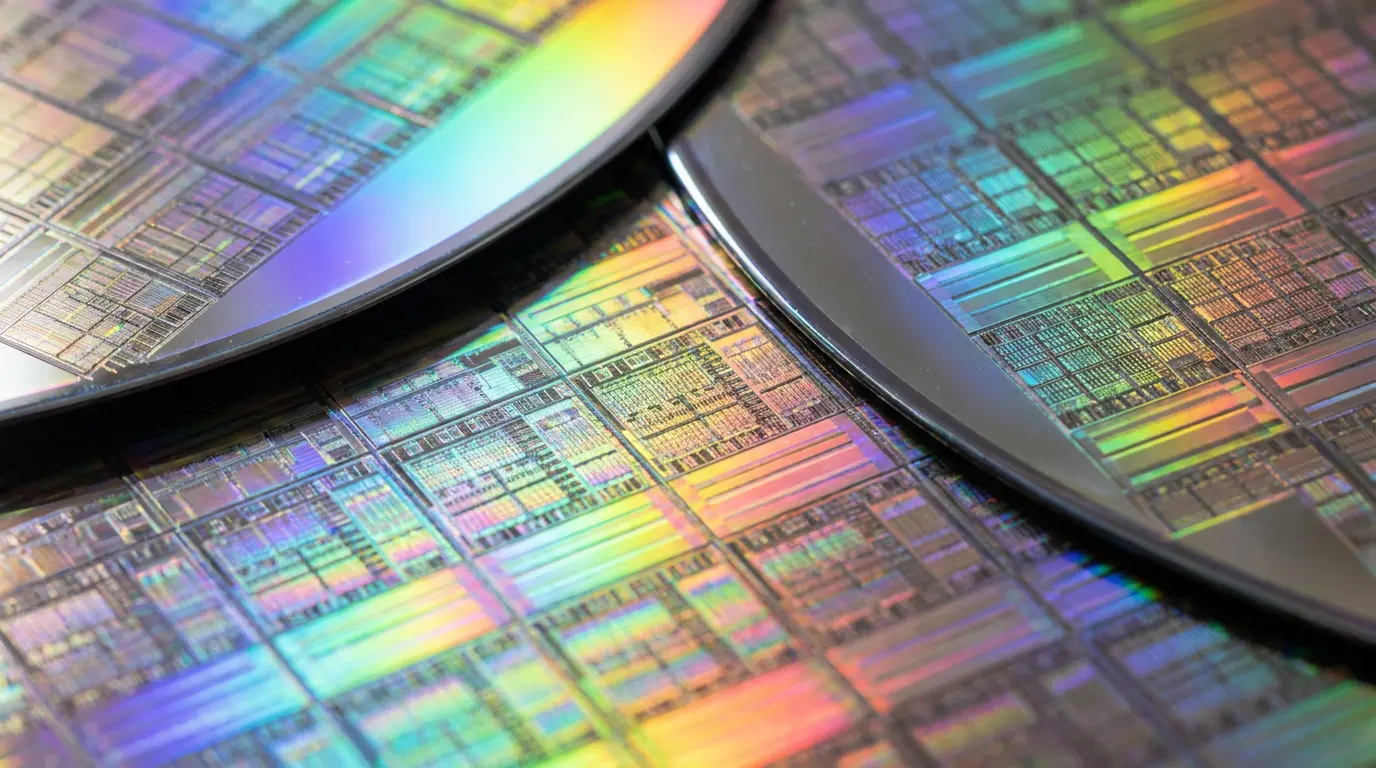
Quandela’s strategy specifically targets cooperation with Korea’s three quantum clusters, indicating a focused geographic and organizational approach. The company recognizes the importance of semiconductor-grade precision manufacturing for scaling photonic quantum computers, and views Korea’s established infrastructure as a key asset. This is particularly important for mass-producing the photonic modules central to Quandela’s technology, which relies on single photons from tiny semiconductor light sources. The company’s open-source Perceval software and online courses further demonstrate a commitment to accessibility and wider adoption of photonic quantum computing, the company says.
Beyond manufacturing, Quandela is also exploring system integration, demonstration projects and real-world operation with its Korean partners. This approach aims to move beyond theoretical research and towards practical applications of quantum computing.
The company’s recent partnership with KAIST, establishing a Quandela Hub for education, research and industry-academia collaboration, further solidifies its commitment to the Asian market and positions Korea as a central hub for its activities. Collaborations with Mila, the Quebec AI Institute, on quantum machine learning research and the Seoul Metropolitan Government on a quantum technology development centre, demonstrate a broader ecosystem of partnerships supporting Quandela’s growth, the company states.
The company’s €107M+ raised, driving Mekdam Holding Group’s quantum computing investment, emphasises its financial stability and potential for long-term growth. This financial backing, combined with its selection by DARPA for the Quantum Benchmarking Initiative, positions Quandela as a significant player in the global quantum computing landscape.
The DARPA initiative will focus on detailing a concept for a utility-scale, fault-tolerant quantum computer, a critical step towards realizing the full potential of the technology. This ongoing work, coupled with its expansion through partnerships like the one with CMC Microsystems offering cloud access via the Quantum Computing Sandbox, demonstrates a multi-faceted strategy for advancing photonic quantum computing and establishing a strong presence in key markets.
Combining Quandela’s quantum computing expertise with Korea’s semiconductor manufacturing technology would make a perfect match.
Niccolo Somaschi, CEO at Quandela
Quandela’s Two-Year Plan for FTQC Partnerships
This direct naming of potential collaborators moves beyond general industry interest and demonstrates a targeted strategy for using Korean semiconductor capabilities. Fault-tolerant quantum computing remains central to Quandela’s long-term roadmap, and Korean manufacturing expertise is viewed as critical to achieving this goal.
Founded in 2017 and headquartered in Massy, France, Quandela currently employs approximately 130 people and has raised over €107M+, providing a solid financial foundation for these expansion efforts, by the company’s account. A partnership with Quanova, formalized in 2026, is advancing quantum computing skills in Vietnam, demonstrating a broader international strategy alongside the Korean focus.
Quandela’s open-source framework, MerLin, introduced in February 2026, facilitates quantum machine learning research and further highlights the company’s commitment to accessibility and collaboration. This framework, coupled with online courses and the Quandela Hub established at KAIST, aims to support a wider quantum computing ecosystem.
Over the next two years, we will identify partners in Korea, review whether photonic modules are suitable for mass production, and reflect the results in our technology roadmap toward FTQC.
Source: https://en.sedaily.com/technology/2026/09/28/quandela-ceo-seeks-korean-partners-for-quantum-chip

See today’s quantum computing news on Quantum Zeitgeist for the latest breakthroughs in qubits, hardware, algorithms, and industry deals.