SemiQon is participating in the €3.1 million SHIFT project, an international collaboration focused on scaling hafnium-based Integrated Ferroelectric Technology (FeRAM) for cryogenic memory. Led by Dr. Sayani Majumdar, Associate Professor at Tampere University, the project unites Finnish and Taiwanese partners including Applied Materials, ITRI, and Lyontek Inc. “Quantum and cryo-electronics need low-power cryo-optimized memory technology that reduces the communication needed between room temperature and low temperature,” says Dr. Mika Prunnila, Chief Research Officer at SemiQon, as the consortium aims to improve energy efficiency and scalability for quantum computing systems.
SHIFT Project: Scaling Ferroelectric Random-Access Memory (FeRAM) with International Collaboration
SemiQon is expanding its portfolio of cryo-optimized solutions with participation in the €3.1 million SHIFT project, a collaboration with Taiwanese partners to advance cryogenic memory technologies. The consortium, led by Dr. to demonstrate ultra-low-power, high-performance memory at cryogenic temperatures. A key technical goal is direct integration of cryo-optimized FeRAM with cryo-CMOS logic circuits, addressing a critical bottleneck in quantum computer scaling.
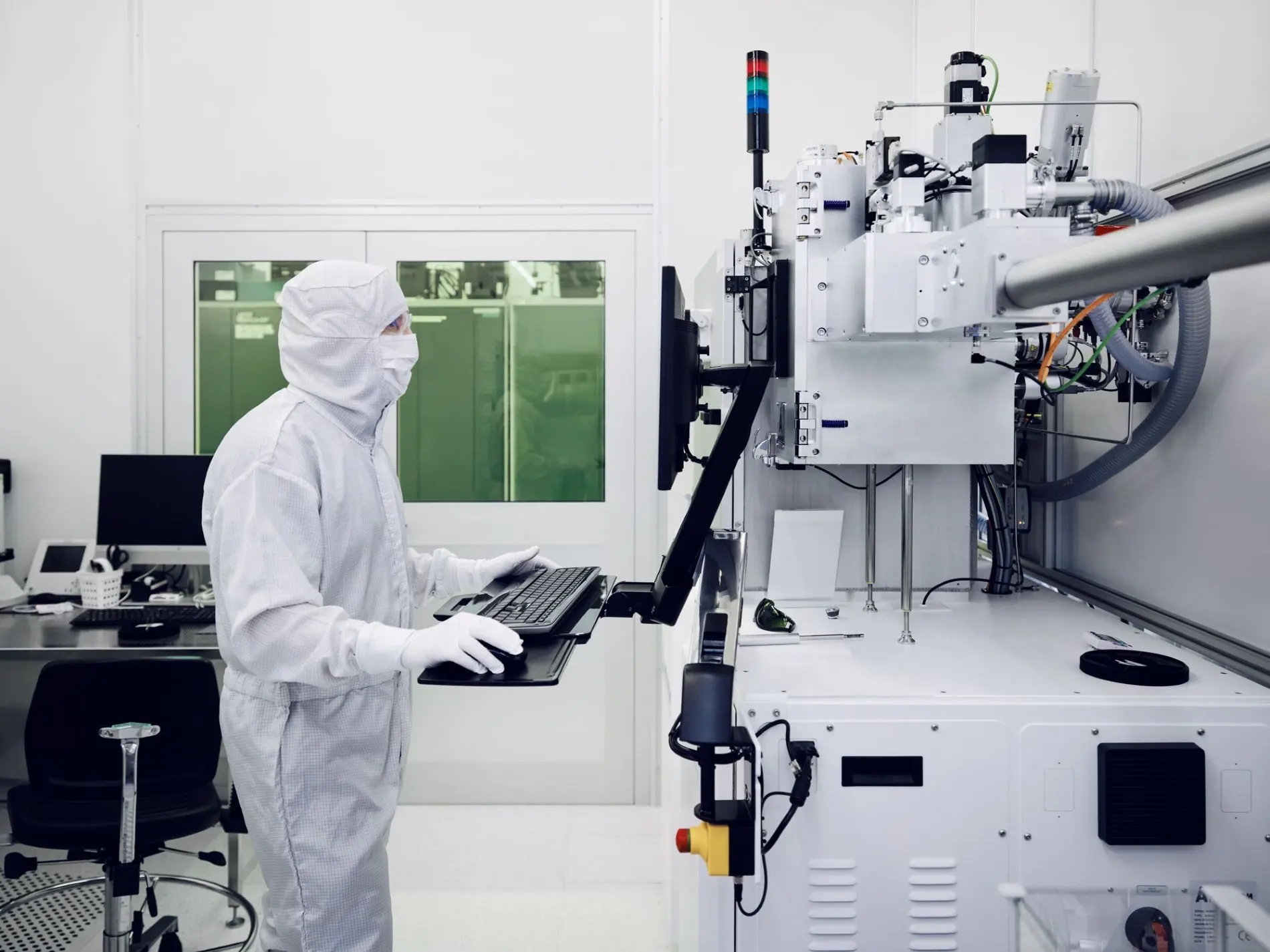
The project’s scope extends beyond quantum applications, exploring potential uses in other extreme-environment computing systems. SemiQon’s CEO, Dr. Himadri Majumdar, anticipates further developments, stating that by bringing memory and processing closer to the quantum chip, SHIFT seeks to streamline quantum computer scaling and broaden the possibilities for data-intensive computing.
Cryogenic memory is another feature we are adding to SemiQon’s cryo-optimized solutions palette, and there will be more to come.
Dr. Himadri Majumdar, CEO at SemiQon

See today’s quantum computing news on Quantum Zeitgeist for the latest breakthroughs in qubits, hardware, algorithms, and industry deals.