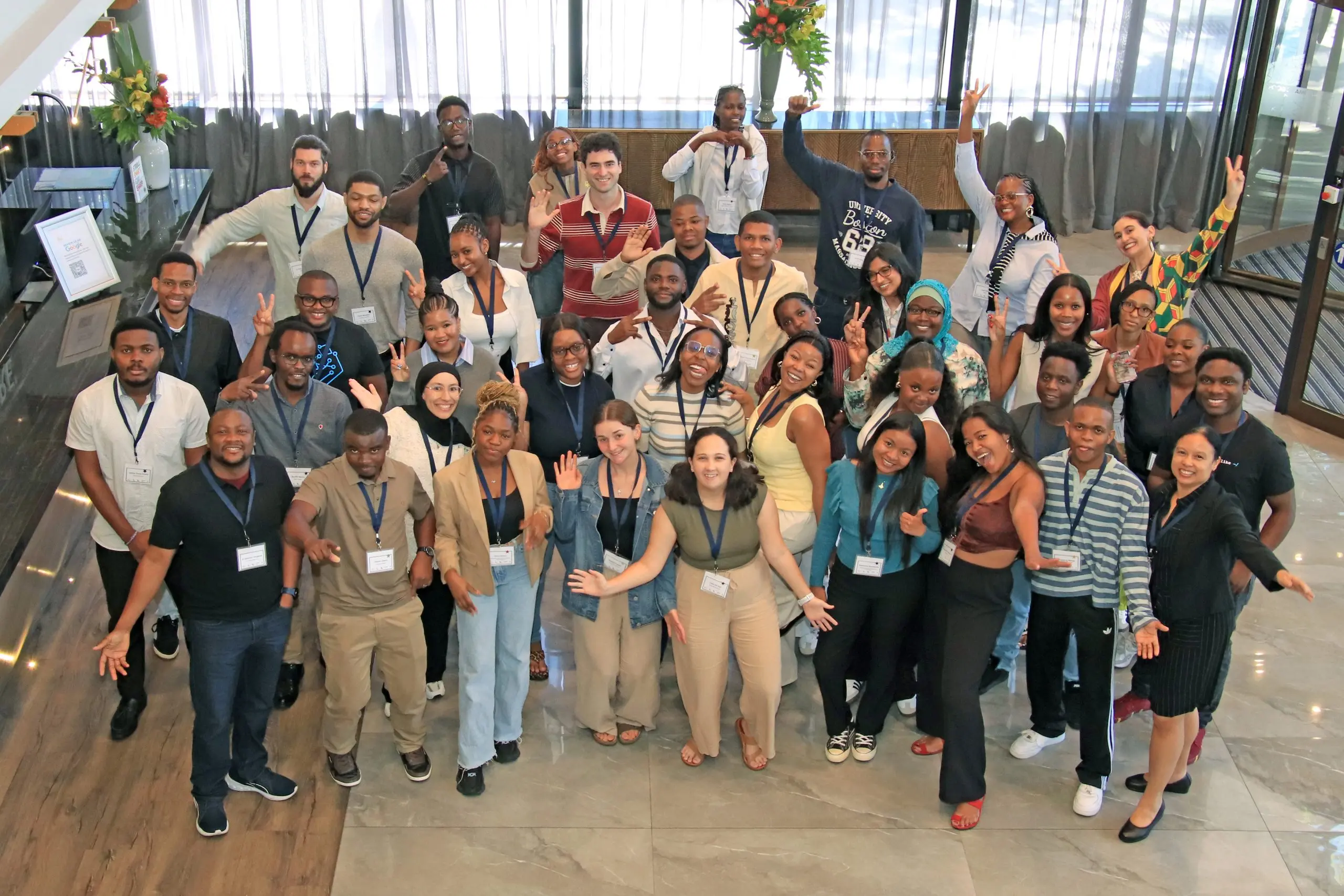
From October 5-10, 2026, the South African Radio Astronomy Observatory hosted its 6th Big Data Africa School in Cape Town, expanding the program to include quantum computing for the first time. The school focused on applying machine learning, deep learning and quantum computing techniques to medical imaging, uniting leading researchers with African postgraduate students to address critical health challenges.
By combining classical AI with emerging quantum approaches, the program provides early exposure to advanced computational science, placing them at the forefront of applied AI and quantum research. Twenty-six students from seven African nations participated in the event, with over half identifying as women.
AI and Deep Learning Focus in Medical Imaging
This addition, delivered through specialist lectures and five focused research projects, reflects a growing recognition of quantum technologies’ potential to address complex biomedical challenges. Shivani Pillay of the University of KwaZulu-Natal and Fraqtal Technologies presented an Introduction to Quantum Machine Learning, providing foundational knowledge for participants to explore how these technologies can enhance existing methods. Participants dedicated nearly half of the six-day program to collaborative project work, culminating in presentations judged by a panel of experts.
These projects specifically targeted areas like explainable AI, fairness in AI-based medical image classification, and quantum computing applications for biological discovery. The emphasis on practical application, coupled with the introduction of quantum concepts, aims to equip African researchers with a versatile skillset applicable to a range of data-intensive health problems. Beyond the technical training, the program also prioritized the development of soft skills like communication and teamwork.
One participant noted that their “ability to work in a group has improved the most during the school,” highlighting the value of collaboration with peers from diverse academic and professional backgrounds. This collaborative environment encouraged communication skills and the ability to explain complex concepts clearly, essential for interdisciplinary research.
SARAO’s commitment to capacity building in data science extends beyond individual skill development. the Big Data Africa program has, over the past decade, evolved into a leading initiative across the continent. A SARAO representative stated, “Over the past decade, SARAO’s Big Data Africa programme has evolved into one of Africa’s leading capacity development initiatives in data science, equipping hundreds of young researchers with advanced computational skills needed to tackle complex scientific and societal challenges.” The school has demonstrably increased inclusivity, with women forming the majority of participants for the third consecutive year, reflecting a targeted investment in equitable opportunities within the field.
“We are especially proud that this is the third consecutive school in which women have formed the majority of participants, demonstrating that targeted investment and an inclusive learning environment can help create more equitable opportunities in data science, AI and emerging technologies.” Another participant added, “The Big Data Africa School 2026 was an exceptionally valuable and inspiring experience that deepened my practical skills in large-scale data analysis and directly supported both my research interests and career development.”
I really enjoyed being part of the Big Data Africa School, and it exceeded my expectations. I appreciated meeting and connecting with people from different backgrounds, hearing from the invited speakers, and learning about quantum computing in one of the presentations sparked my interest and made me excited to explore the field further.
Litebele Litebele (Masters student, University of Zambia, Zambia)
Quantum Computing Integration into Data Science Training
This integration, occurring from October 5-10 in Cape Town, wasn’t simply theoretical; the program focused on applying these emerging quantum approaches directly to medical imaging techniques, bridging the gap between fundamental research and practical application. Participants explored how quantum algorithms could potentially enhance image processing, analysis and ultimately, diagnostic capabilities. The decision to incorporate quantum computing reflects a proactive approach to capacity building, anticipating the increasing role of these technologies in fields like healthcare and astronomy.
The school’s structure, delivered through the Development in Africa with Radio Astronomy (DARA) project, combined foundational training in classical AI and deep learning with hands-on experience in quantum concepts. This blended approach allowed students to explore the synergies between established methods and the potential of quantum computation, encouraging a comprehensive understanding of advanced data science.
The Inter-University Institute for Data Intensive Astronomy (IDIA) provided important cloud computing infrastructure, enabling students to work with large datasets essential for both classical and quantum machine learning projects.
DARA Project and Pan-African Research Collaboration
The school’s design supports students at varying stages of postgraduate study, combining foundational training with collaborative research experience. Boehringer Ingelheim (Germany), the University of Cape Town, and the University of KwaZulu-Natal also contributed research expertise, supporting a multidisciplinary environment. This collaborative structure allowed participants to apply advanced computational methods to challenges relevant not only to Africa but to global research priorities.
Heather Teixeira, a BSc Honours student at the University of Cape Town, South Africa, noted the program’s impact on her skill set and broadened perspective. “Throughout the project, our mentor guided us through the problem-solving process, and presenting our progress each day helped me to build confidence in my abilities and become more comfortable with public speaking,” she said.
“Getting hands-on experience with medical imaging and being introduced to other research fields, such as radio astronomy, also opened my eyes to the wide range of possibilities within data science.” The school’s aims extend beyond immediate skill development, with a focus on supporting long-term research capacity. Participants are exposed to real-world applications, such as medical imaging, and encouraged to apply advanced computational methods to address relevant challenges.
The Big Data Africa School 2026 was an exceptionally valuable and inspiring experience that deepened my practical skills in large-scale data analysis and directly supported both my research interests and career development.
Brandon Manase Odhiambo (4 th year BEng student, Technical University of Mombasa, Kenya)
Beyond the immediate benefits to participants, SARAO views the Big Data Africa School as a catalyst for long-term scientific collaboration and growth across the continent. An observer stated, “The Big Data Africa School brings to life the real value of DARA and demonstrates what sustained international partnership can achieve.”
Attending the 6 th Big Data Africa School was a really valuable experience. I enjoyed meeting and working with people from across Africa from different research backgrounds and learning more about the applications of AI and machine learning in medicine.
Heather Teixeira (BSc Honours student, University of Cape Town, South Africa)

See today’s quantum computing news on Quantum Zeitgeist for the latest breakthroughs in qubits, hardware, algorithms, and industry deals.