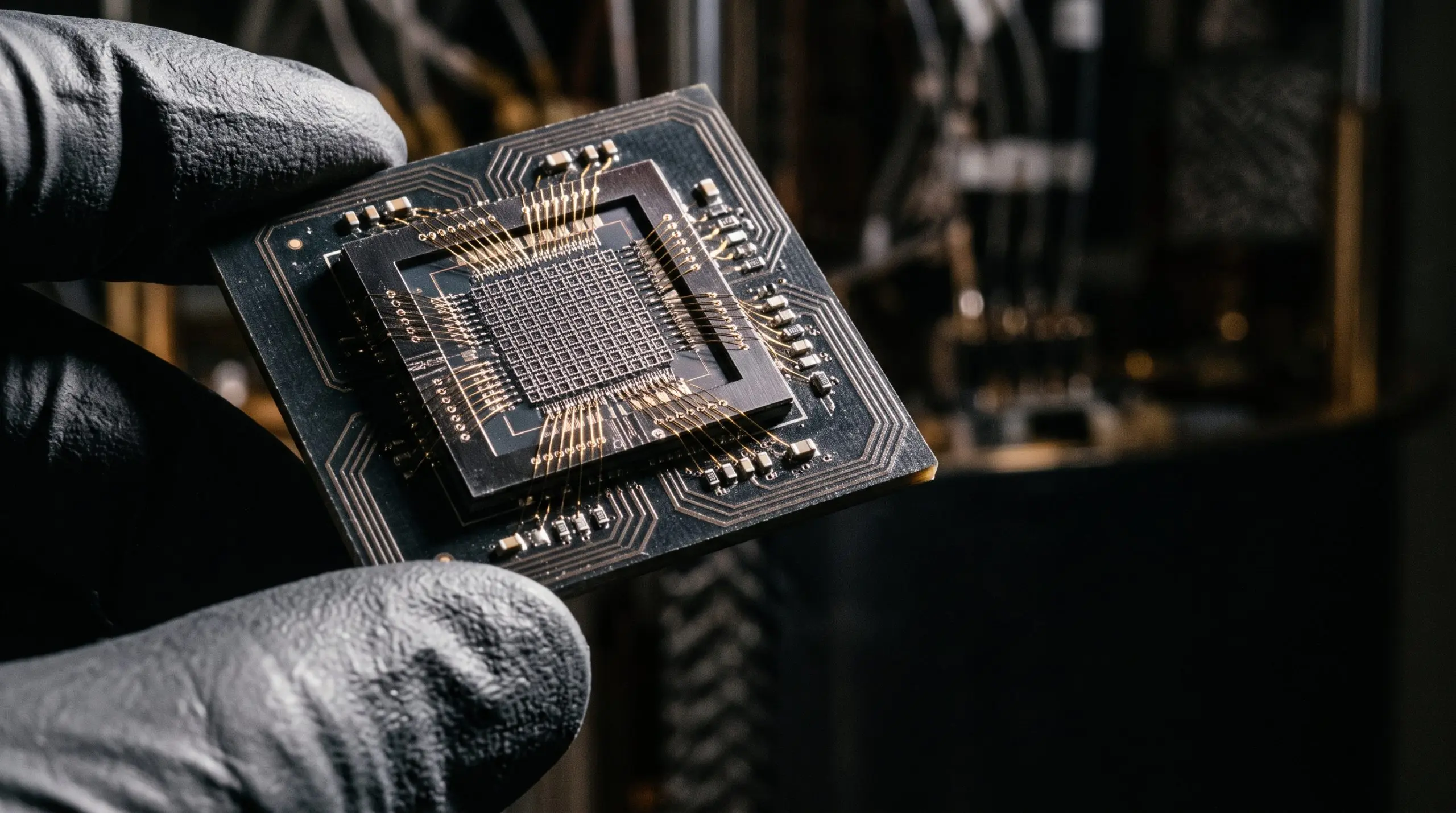
Quokka has launched a new platform designed to move quantum computing beyond theory and into hands-on practice. The platform centers around access to a real Quokka device, allowing users to run programs and observe measured bits, a departure from purely simulated learning environments. Whether a student opening their first circuit, an educator running a classroom of thirty, or a developer who wants a clean Python or OpenQASM path to the hardware, the new platform meets users where they are and grows with them.
Multiple Workspaces Enable Diverse Quantum Programming Approaches
The Quokka platform integrates an artificial intelligence assistant designed to accelerate the learning process for users of all levels. Named Quokka AI, the tool responds to questions about quantum computing concepts, the platform itself, and even generates circuits directly within the block-based visual workspace for immediate execution on the Quokka device.
This feature addresses a common barrier to entry, providing on-demand support for users encountering difficulties with complex topics like superposition; for example, Quokka AI can explain that “a qubit is zero and one at the same time.” Beyond immediate assistance, the platform’s design acknowledges the varied learning styles within the quantum computing community.
This unified approach ensures consistency across workspaces, allowing users to transition between methods as their skills develop without needing to rewrite programs or adapt to different systems. Users can choose a workspace, connect a Quokka and run their first program today. The platform’s architecture supports both individual exploration and classroom instruction, with a “Join classroom” feature enabling teachers to integrate Quokka into their curricula using unique codes.
This functionality extends the platform’s reach beyond individual hobbyists and into formal educational settings, encouraging a new generation of quantum-literate students. By prioritizing hands-on experience with a physical device, Quokka aims to move beyond theoretical understanding and empower users to actively engage with the principles of quantum computation, ultimately accelerating the development of practical quantum skills.
Quantum learning starts here. Choose a workspace, connect a Quokka, and run your first program today.
Connecting and Managing Personal Quokka Devices
Personal Quokka devices now connect directly to user accounts, allowing for immediate program execution upon arrival of the hardware. The platform supports attachment of up to twenty individual Quokka devices to a single account, each displaying live online or offline status with a one-click refresh function. Users can switch the active device from anywhere within the platform, ensuring every workspace uses the selected hardware consistently.
Public Quokkas remain available as a starting point, enabling immediate experimentation even before personal devices arrive, the company says. For educators, Classroom Sessions take this a step further: prepare a draft classroom, assign a device and activities, then publish a join code when students are ready. Learners simply choose Join classroom and they are in.
Narrative Lessons and Templates Build Quantum Literacy
The new Quokka platform integrates guided, narrative lessons that frame quantum computing as a practical engineering discipline, emphasizing program creation and analysis of measured bits rather than abstract theory. These lessons move beyond simple simulation by requiring users to execute code on actual Quokka hardware, providing immediate feedback and reinforcing understanding through tangible results. This approach directly addresses the challenge of translating conceptual knowledge into demonstrable skill, a common hurdle in quantum education.
Quokka AI functions as an embedded learning assistant, available to answer user questions about the platform, quantum concepts, or the underlying technology at any time. This on-demand support aims to accelerate the learning process by providing personalized assistance and removing roadblocks to exploration, allowing users to focus on understanding the principles at play.
The platform’s architecture supports a range of learning styles, and the narrative lessons are central to its educational philosophy. The company states that “A simulator without a story is just a tool,” highlighting the importance of contextualized learning experiences. By presenting quantum computing as a series of engineering challenges, the platform encourages users to actively engage with the material and develop a deeper, more intuitive grasp of the technology. The company anticipates that this combination of hands-on access and guided instruction will support a new generation of quantum-literate individuals.



See today’s quantum computing news on Quantum Zeitgeist for the latest breakthroughs in qubits, hardware, algorithms, and industry deals.