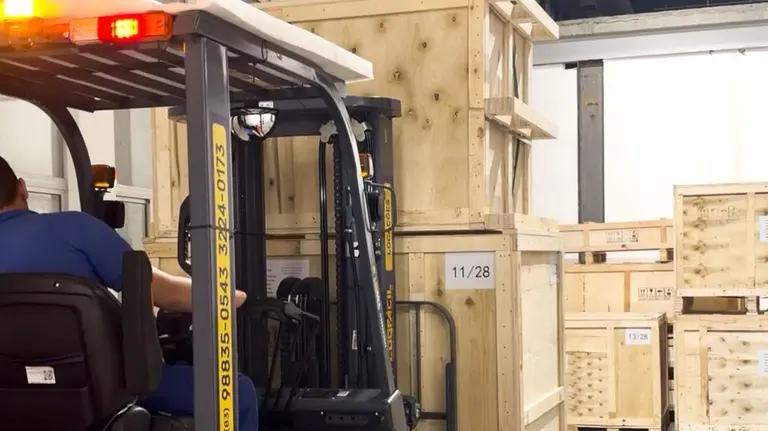
Valued at approximately R$ 83 million, two quantum computers arrived in João Pessoa this Monday, representing the most valuable single container of cargo ever transported within Brazil. The equipment will form the core of the International Center for Computing and Quantum Technologies (Ciquanta) at Estação das Artes, a project designed to establish Brazil as a competitor among the ten countries currently dominating the field.
According to minister Luciana Santos, the project focuses on “national technological training and the development of national algorithms and the mastery of technology for real applications.” This partnership between the Ministry of Science, Technology and Innovation and the Government of Paraíba prioritizes technology transfer and training of Brazilian researchers to strengthen national sovereignty.
MCTI and Paraíba Partnership Enables Quantum Computing Infrastructure
The arrival of components for two quantum computers in João Pessoa on November 16th initiates a phased assembly process involving both Brazilian and Chinese technicians, a key component of the technology transfer agreement underpinning the Ciquanta center. Fifteen Brazilian researchers will begin assembly work on November 24th, operating under the guidance of approximately twelve Chinese experts initially, with the team expanding to around twenty-five foreign technicians by January.
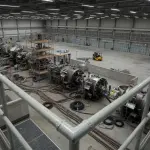
This direct involvement of Brazilian personnel in construction, configuration, and maintenance is central to the partnership’s objective of building domestic expertise in quantum computing. Installation will prioritize the physical infrastructure and the critical cooling system, essential for maintaining the extremely low temperatures required for quantum processor operation. Following the physical setup, the operating system, control software and integration of the various modules will be configured.
Initial adjustments are scheduled for December, but full testing and commissioning of the machines will depend on the arrival of specialized cooling supplies, nitrogen, helium-4 and the internationally restricted helium-3, expected in January 2027. Only after this validation phase will the center open to scientific projects during the first half of 2027.
Governor Lucas Ribeiro highlighted the potential for regional and national development, anticipating that the center will be a catalyst for attracting companies, researchers and investment. He believes the technology will facilitate the development of solutions to improve quality of life, building on Paraíba’s existing strengths in professional training and scientific research.
Senator-elect João Azevêdo echoed this sentiment, emphasizing the national scope of the initiative and the importance of sustained public investment in science. He said, “These two computers definitively put Paraíba on the world map of quantum computing research.” He continued, “It is an extraordinary achievement, built in less than two years, which will attract researchers, strengthen the training of our young people and expand the scientific capacity of Brazil.” This logistical undertaking emphasises the commitment to establishing a robust quantum computing infrastructure in the country, and the partnership’s long-term vision is to not only access but also contribute to the rapidly evolving field of quantum technologies.
See today’s quantum computing news on Quantum Zeitgeist for the latest breakthroughs in qubits, hardware, algorithms, and industry deals.