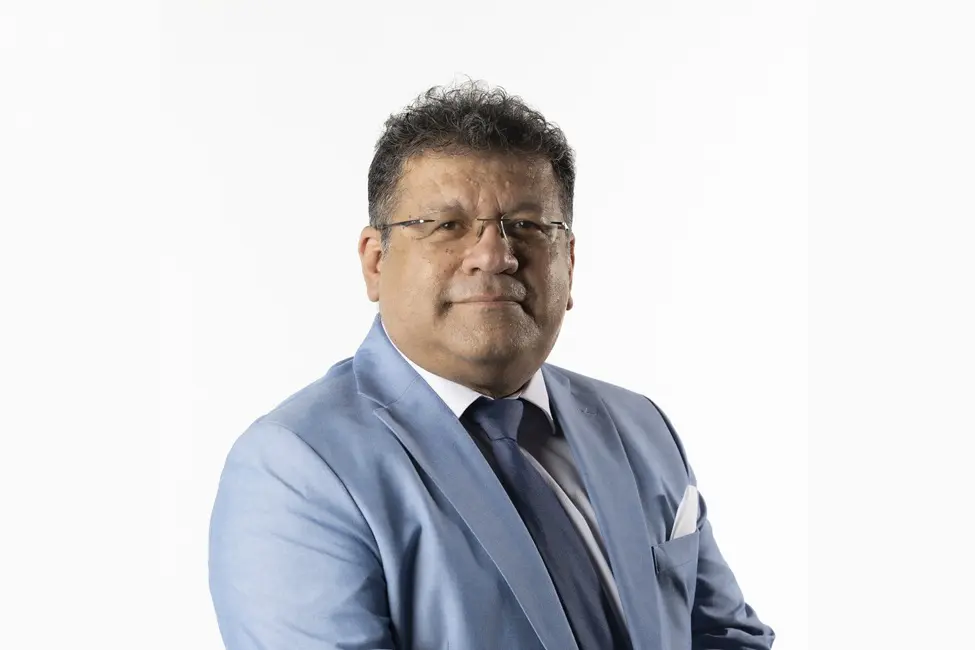
Florida Atlantic University quantum technology leader Robert Loredo is offering organizations a roadmap to prepare for the coming age of quantum computing with his new book, “Quantum Readiness for Leaders: Build Quantum Strategies, Teams, Security, and Ecosystems to Lead in the Era of Quantum Advantage.” Loredo was named executive director of FAU’s Center for Quantum Technologies in July, coinciding with the establishment of “Florida’s first quantum university” and its deployment of a dedicated quantum computer. The book shifts focus from technical mechanics to the organizational strategies needed to harness quantum technologies.
Loredo’s “Quantum Readiness for Leaders” Framework for Organizational Strategy
Loredo, now executive director of Florida Atlantic University’s Center for Quantum Technologies, developed the framework within the book after observing a consistent need for guidance beyond the technical aspects of quantum computing. He identified a gap between understanding the science and translating it into actionable strategies for businesses and governments. The book diverges from purely technical texts by focusing on the organizational prerequisites for harnessing quantum technologies; it examines strategy development, team building, partnership establishment, and data security.
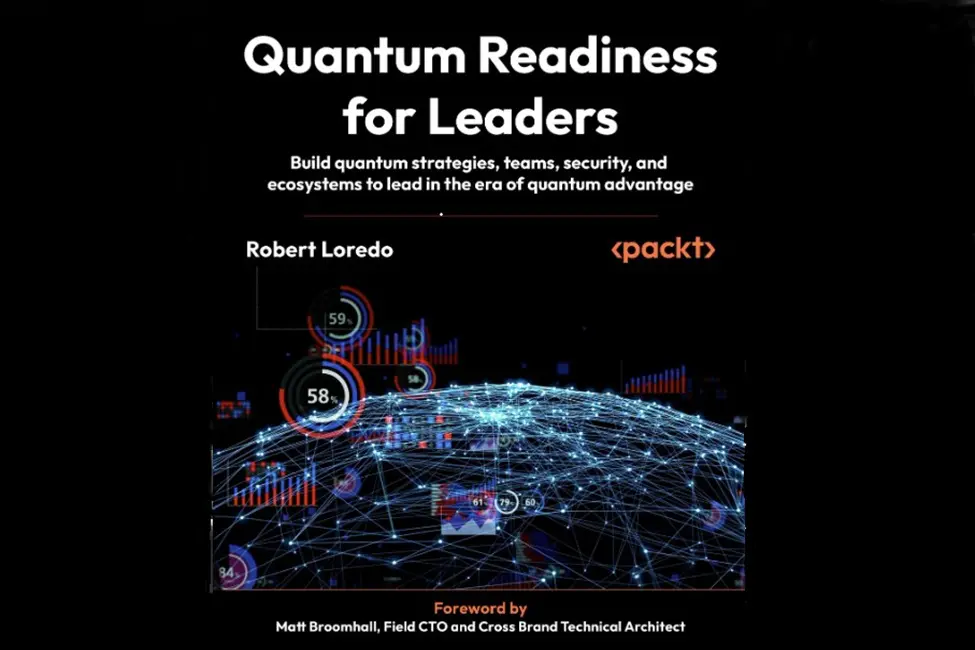
Loredo details frameworks for evaluating potential quantum applications, constructing specialized teams, and fortifying security architectures against the threats posed by quantum computing’s increasing capabilities. This emphasis on preparedness stems from the belief that organizations must proactively build expertise and infrastructure to capitalize on quantum advancements as they mature. “The need for quantum readiness is not simply about anticipating a future technological breakthrough,” Loredo said.
This infrastructure supports the book’s central argument that quantum readiness extends beyond theoretical understanding and requires practical access to quantum hardware. Gregg Fields, FAU vice president for research, highlights the book’s value as a roadmap for leaders seeking to translate quantum technology into innovation. The framework detailed in “Quantum Readiness for Leaders” also considers the convergence of quantum technologies with other emerging fields, including artificial intelligence and cybersecurity. Loredo’s experience, spanning 25 years at IBM, academia, and enterprise innovation, informs an approach that considers quantum computing, sensing, networking, and cryptography.
He stresses that quantum readiness is not solely a technological challenge, but a fundamentally human one. “I wrote this book to help leaders understand how to plan by building the right teams, developing partnerships, and identifying where quantum can create meaningful value. The time to start preparing is now.” The book’s scope extends to quantum economics, investment strategies, workforce development, and organizational governance, offering a comprehensive guide for leaders navigating this complex landscape. Loredo advocates for prototyping and proof-of-concept development as important steps in identifying viable quantum applications and demonstrating their potential value.
He also addresses the critical need for data strategies and post-quantum cryptography to protect sensitive information in a future where quantum computers could break existing encryption methods. FAU’s broader strategy positions quantum computing as an interdisciplinary platform, connecting computer science, engineering, science, business, and other fields.
The university’s partnership with D-Wave Quantum, Inc., and the planned installation of an Advantage2 annealing quantum computing system, further solidify its commitment to fostering quantum education, research, and applied innovation. This collaborative approach underscores the book’s emphasis on building ecosystems and partnerships as essential components of quantum readiness, enabling organizations to use collective expertise and accelerate the development of quantum-enhanced solutions.
I wrote Quantum Readiness for Leaders because after years of working with organizations and leaders around quantum technology, I kept hearing the same question: ‘What is quantum and where should I be investing?’?
Robert Loredo, executive director of Florida Atlantic’s Center for Quantum Technologies


See today’s quantum computing news on Quantum Zeitgeist for the latest breakthroughs in qubits, hardware, algorithms, and industry deals.