KMT Technologies Ltd., a Matrix Group company, will act as the exclusive representative and distributor for Anyon Systems across a number of strategic international markets, beginning August 31, 2026. This partnership unites Anyon’s vertically integrated quantum computing technology, spanning processors, cryogenics, software, and more, with Matrix Group’s expertise in high-performance computing and data centers.
Alireza Najafi-Yazdi, Founder and CEO of Anyon Systems, explains, “We believe the future quantum computer will operate as an accelerator within a heterogeneous computing environment, alongside CPUs and GPUs.” The companies aim to address growing demand for quantum computing integration within existing infrastructure for governments, research institutions, and enterprises.
Anyon and Matrix Group Partnership Accelerates Quantum Computing Deployment
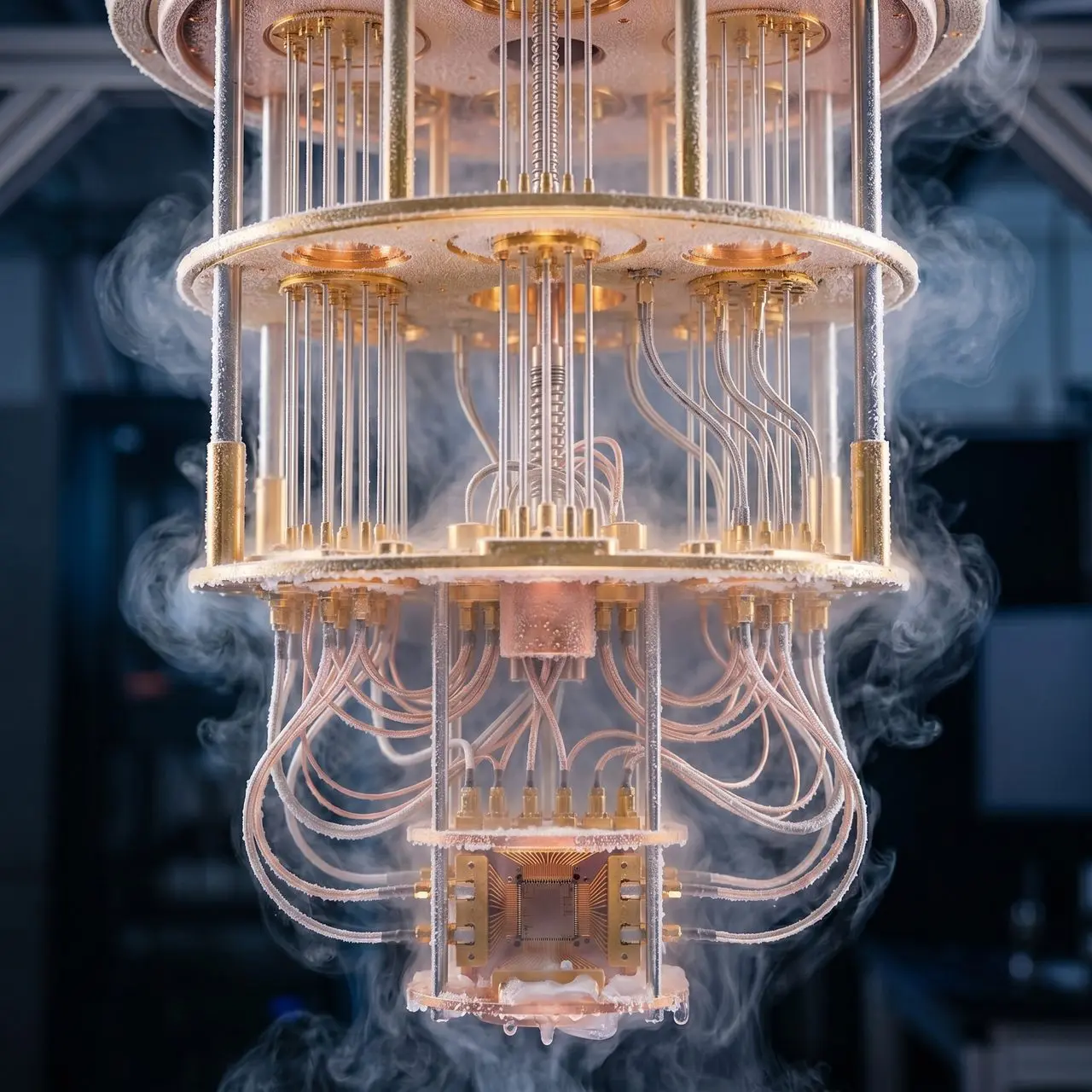
Anyon Systems has already successfully deployed superconducting quantum computers within Canada, including the MonarQ system integrated into Calcul Québec’s high-performance computing ecosystem. This established foundation now underpins the company’s development of a 72-qubit quantum computer, with plans to exceed 100 physical qubits in subsequent systems. The partnership with Matrix Group aims to extend this deployment capability internationally, addressing a growing need for on-premises quantum infrastructure.
Anyon will provide training and certification for KMT personnel, ensuring a consistent level of advanced engineering and product support globally. This commitment to a complete delivery capability distinguishes the partnership from standard technology distribution agreements, reflecting a focus on long-term operational support for clients. Yossi Vardi, Chief Business Officer of Anyon Systems, said that customers increasingly want quantum computing to become part of their strategic computing infrastructure, deployed on premises, integrated with HPC and AI resources, and supported locally.
Anyon’s fourth-generation quantum control electronics are designed with direct Remote Direct Memory Access (RDMA) connectivity to GPU infrastructure, minimizing latency and maximizing bandwidth between quantum and classical computing resources. Moshe Azar, CEO of KMT Technologies, highlights the strategic alignment of this partnership, stating, “Entering quantum computing is a strategic move for KMT and a natural continuation of what we have been doing for years: building, connecting and maintaining the computing infrastructure of knowledge-intensive organizations.” “Building a better quantum processor is only one part of that challenge—the QPU, control electronics, classical compute and high-performance network ultimately have to operate as one integrated system.” The companies are responding to increasing demand from governments, research institutions, and enterprises seeking sovereign quantum systems integrated with existing HPC and AI environments, aiming to bridge the gap between research systems and operational computing infrastructure.
We believe the future quantum computer will operate as an accelerator within a heterogeneous computing environment, alongside CPUs and GPUs.
Alireza Najafi-Yazdi, Founder and CEO of Anyon Systems




See today’s quantum computing news on Quantum Zeitgeist for the latest breakthroughs in qubits, hardware, algorithms, and industry deals.