Horizon Quantum Signs Letter of Intent to Acquire Entropica Labs

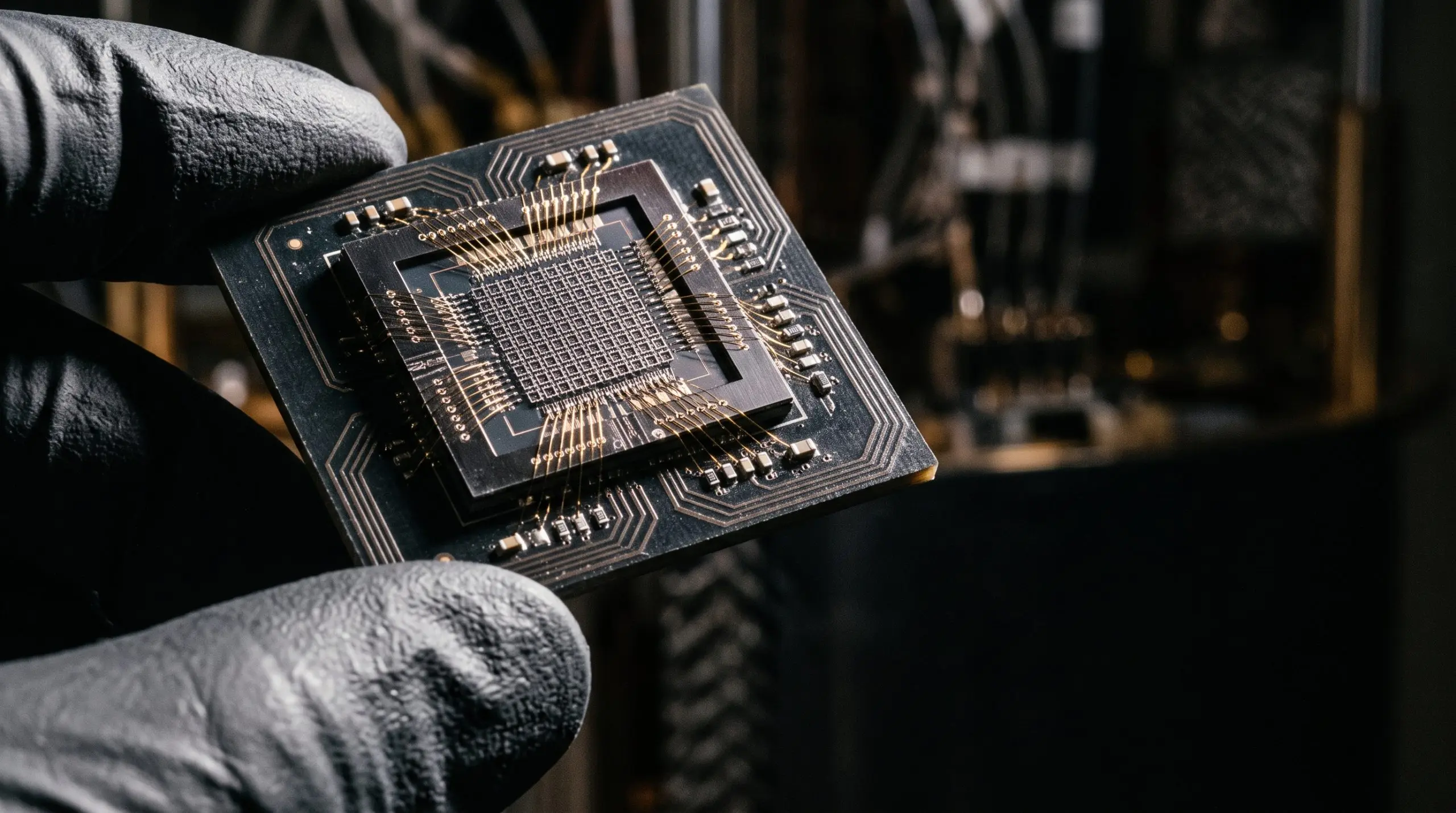
Horizon Quantum signed a non-binding letter of intent to acquire Entropica Labs for an anticipated consideration of $27 million USD in Horizon Quantum Class An ordinary shares, subject to the completion of due diligence, related audits, the signing of definitive agreements and satisfaction of other customary conditions. The acquisition targets Entropica Labs’ work on fault-tolerant software infrastructure, designed to enable error-corrected programs on existing quantum hardware.

Founded in 2018 by Dr. Tommaso Demarie and Dr. Ewan Munro, Entropica Labs approaches fault tolerance as a systems-software challenge, developing a compiler called Loom, and states its mission is “to build the software infrastructure that turns quantum hardware into fault-tolerant computers that developers can use.”

The deal focuses on Loom, a compiler developed by Entropica Labs that aims to simplify the implementation of error correction for quantum hardware manufacturers, allowing companies to run error-corrected programs without independently constructing a complete fault-tolerance stack. Completion of the transaction remains subject to standard conditions.
Stay current

See today’s quantum computing news on Quantum Zeitgeist for the latest breakthroughs in qubits, hardware, algorithms, and industry deals.


Avatar of Ivy Delaney

Ivy Delaney

Ivy Delaney has been working with neural networks and machine learning since the mid-nineties, back when a couple of hidden layers and a long afternoon of training counted as ambitious. She has watched the field go from academic curiosity to the thing quietly running underneath everything, and she brings that long view to quantum computing. For Quantum Zeitgeist she covers the ground where the two fields meet. That means quantum machine learning and the variational algorithms it leans on, and it also means the less glamorous but more interesting story of classical machine learning already doing real work inside quantum machines, decoding error-correcting codes, calibrating noisy hardware and learning the error models that simulators depend on. She writes about the hardware those algorithms have to run on too, and about the post-quantum cryptography scramble that the same hardware has set off. Her stories typically start with the paper, whether that is peer-reviewed work, conference proceedings or an arXiv preprint, with the source linked so you can hold a claim up against the research it came from. She is unimpressed by benchmarks that will not say what they beat, and by demonstrations that only work in the press release.

Latest Posts by Ivy Delaney: