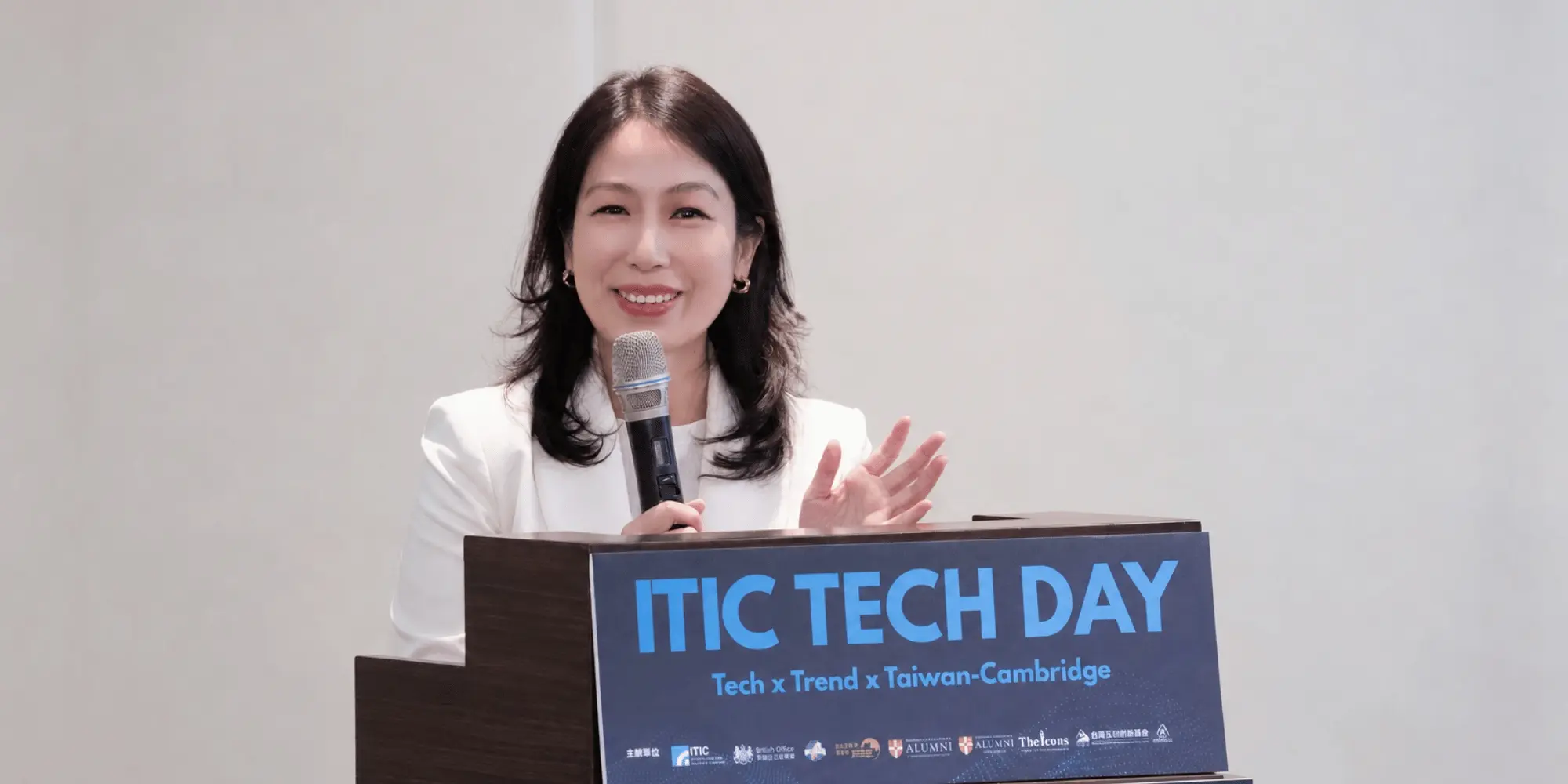
August 27, 2026, Industrial Technology Investment Corporation (ITIC) hosted Tech Day at the Grand Hyatt Taipei, introducing Taiwan’s industry and investors to research in quantum technologies and silicon photonics. Karen Yu, president of ITIC, attended Tech Week 2026 as an ambassador, bringing a Taiwanese perspective to discussions on global innovation ecosystems. Yu told The Icons, “I see considerable scope for Taiwan and the UK to complement one another in the industries of the future,” as she advances practical cooperation between the two nations.
ITIC Tech Day Connects Taiwan Industry with Quantum & Photonics
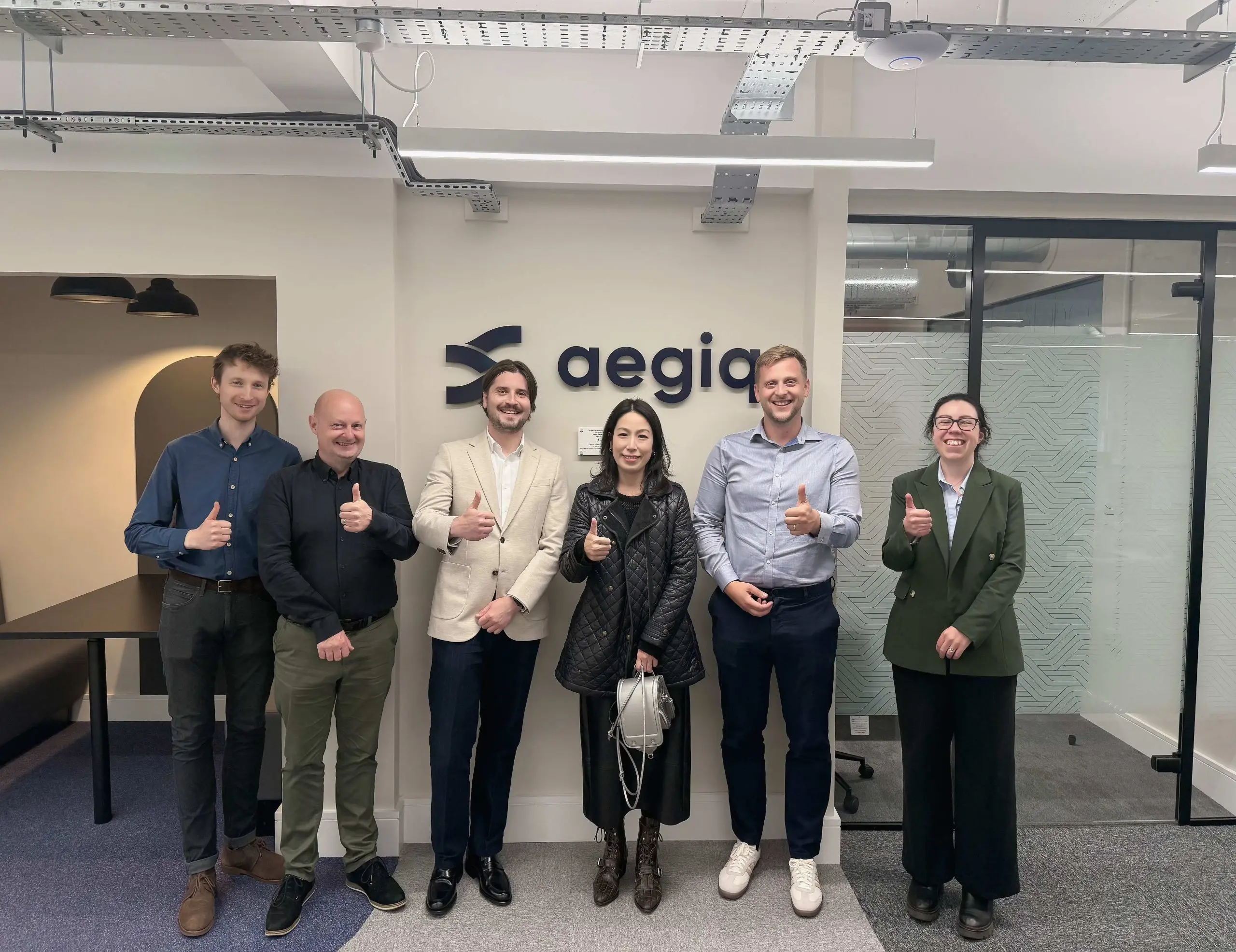
Yu’s dual role, hosting in Taipei and then representing at Cambridge Tech Week, highlights a proactive approach to integrating Taiwan into the early stages of deep tech development, rather than simply scaling proven technologies. Yu’s efforts extended beyond the core events, including a visit to Aegiq in Sheffield, facilitated by an introduction from ITRI, to examine the photonic quantum team’s work firsthand. This targeted engagement with specific research groups emphasises a commitment to understanding the practical challenges of translating research into viable products, and to identifying opportunities for Taiwanese manufacturing expertise to contribute.
“I keep returning for visits, to assess opportunities and to exchange ideas, gradually turning relationships into practical work,” Yu said. This commitment to sustained engagement builds trust and identifies synergistic partnerships.
The focus on Sheffield, a location outside of Cambridge, suggests a broader exploration of the UK’s quantum and photonics landscape, seeking out specialized expertise beyond the immediate Cambridge cluster. The strategy isn’t solely about access to research. It’s about reciprocal benefit, with ITIC already investing in British startups as a demonstration of the corridor’s functionality.
Yu believes that early participation in the development of future UK industry leaders is important for Taiwan, stating, “If the next generation of industry leaders is to emerge in the UK, we should participate early and create opportunities for Taiwan’s supply chains to work with them.” This investment approach aims to create a mutually beneficial ecosystem, where Taiwanese manufacturing capabilities can support the growth of promising British startups, and British innovation can drive demand for Taiwanese technology.
“When the next deep tech breakthrough is ready to reach the world, we hope Taiwan will already be part of it, working with British partners to build the next generation of globally influential companies and turn scientific potential into industrial reality,” Yu added, outlining the long-term vision for this collaboration.
Yu’s consistent presence at these international forums is designed to ensure Taiwan’s voice is heard and its capabilities understood. “I keep bringing Taiwan’s voice to these conversations and returning to meet people, so they know this is more than a single conversation,” she said, highlighting the importance of sustained dialogue and relationship-building.
This persistent communication is intended to establish Taiwan as a reliable and valuable partner in the development and deployment of advanced technologies, particularly in the emerging field of physical AI, where Yu believes Taiwan holds an “indispensable role” in scaling production. The ability to assess challenges within an actual manufacturing environment, she notes, is a key strength Taiwan brings to the partnership.
When the next deep tech breakthrough is ready to reach the world, we hope Taiwan will already be part of it, working with British partners to build the next generation of globally influential companies and turn scientific potential into industrial reality.
Karen Yu Advances Taiwan-UK Deep Tech Innovation Corridor
Karen Yu is actively cultivating reciprocal understanding between Taiwanese and British innovation ecosystems, extending engagement beyond established hubs to include locations such as Sheffield. Yu’s strategy prioritizes understanding the specific challenges faced by companies at different stages of development, recognizing that a successful corridor requires more than just access to research.
Yu believes a fundamental barrier to international collaboration is a lack of mutual comprehension, stating, “When two ecosystems fail to understand each other’s language, they can stifle a startup’s potential to grow.” This observation emphasises the importance of sustained dialogue and direct engagement, moving beyond simple technology transfer to encourage genuine partnerships.
The Industrial Technology Investment Corporation (ITIC) president emphasizes that Taiwan’s manufacturing capabilities are increasingly vital as artificial intelligence expands into the physical realm, positioning the nation as a key player in the development of “physical AI”. “For any country seeking to establish and deploy the capacity to produce physical AI at scale, Taiwan has an indispensable role,” she asserts. Beyond facilitating connections, Yu aims to reshape perceptions of Taiwan’s technological landscape, countering the common association with only TSMC.
“Many countries know TSMC, but they do not know what other outstanding capabilities Taiwan has,” she explained, highlighting the need to showcase the broader range of expertise within the nation. Yu’s vision extends to encouraging long-term trust, hoping “the ecosystem will naturally see Taiwan as its best and most trusted partner.” The ultimate goal, according to Yu, is to ensure Taiwan is integrated into the development process from the outset, rather than being brought in at a later stage.
Taiwan is very different from what it was ten years ago. We are at the heart of the world’s AI brain.
Taiwan’s Manufacturing Expertise Fuels Next-Generation AI Development
Yu’s strategy extends beyond simply identifying promising technologies; it actively seeks to embed Taiwanese industry within the development lifecycle of British startups, offering expertise in areas key for scaling innovation. She emphasizes that researchers often excel at demonstrations, but translating those successes into robust, manufacturable products requires a different skillset, one where Taiwan’s decades of experience provides a distinct advantage. “We can see more clearly the challenges a project will encounter when it enters an actual manufacturing environment,” Yu said.
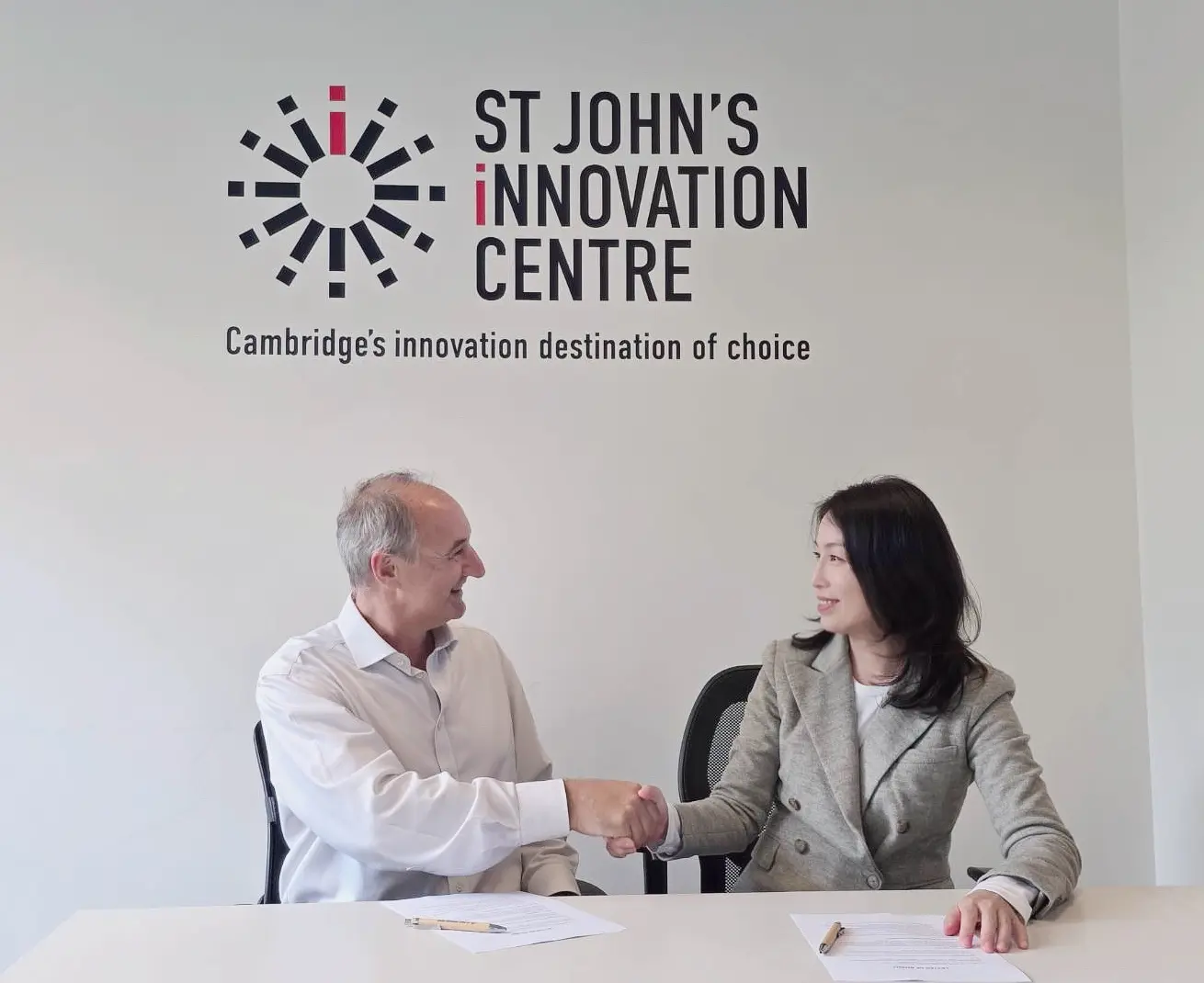
This proactive approach aims to de-risk development and accelerate the path to commercialization for technologies emerging from the Cambridge ecosystem. The establishment of a memorandum of understanding between ITIC and St John’s Innovation Centre formalizes this collaboration, creating a framework for sustained partnership beyond simple technology licensing.
Yu envisions a reciprocal relationship where Taiwanese manufacturing capabilities act as an “accelerator for Cambridge, with the speed of a rocket,” rapidly prototyping and validating concepts before scaling for international markets. This isn’t merely about outsourcing production. It’s about integrating Taiwanese engineers and facilities into the innovation process from the outset, supporting a deeper understanding of the challenges and opportunities involved. “There is far more we can do beyond licensing intellectual property,” she stated, signaling a shift towards more collaborative and integrated partnerships.
This focus on proactive engagement stems from a recognition that Taiwan’s strengths are often underestimated on the global stage. While the world recognizes Taiwan’s dominance in semiconductor manufacturing through companies like TSMC, a broader understanding of its engineering prowess and industrial ecosystem remains limited. She believes that supporting a deeper understanding of these capabilities is essential for attracting investment and building long-term trust with international partners.
Yu’s work is also driven by a broader observation about the changing nature of technological leadership. She notes that Taiwan has evolved significantly in the last decade, transitioning from a focus on low-cost manufacturing to a central role in the global AI infrastructure.
“Taiwan is very different from what it was ten years ago. This transformation positions Taiwan not just as a manufacturing hub, but as a key player in shaping the future of AI and other emerging fields. Even when teams require assistance without immediate investment, Yu’s team is willing to help, stating, “Even when we do not invest, we are still willing to help teams that need support.” The goal, according to Yu is to establish a self-reinforcing cycle of innovation, where Cambridge teams instinctively turn to Taiwan for industrial support, funding and talent. This requires a long-term commitment to building relationships and encouraging a shared understanding of each ecosystem’s strengths and weaknesses, as highlighted in the event “Beyond the Corridor: How Do Global Innovation Ecosystems Compare and Collaborate?”. Yu hopes to see the Cambridge ecosystem view Taiwan as its most trusted partner in bringing the next generation of deep tech breakthroughs to the world.
I see considerable scope for Taiwan and the UK to complement one another in the industries of the next generation.
Karen Yu, president of Industrial Technology Investment Corporation (ITIC)
Cambridge Tech Week Highlights Global Innovation Ecosystem Collaboration
This condensed timeframe demonstrates a deliberate effort to translate initial discussions into tangible collaboration opportunities within weeks, rather than months. The swift follow-up positioned Taiwan to actively participate in the event, demonstrating its capabilities to a key international audience. The focus on physical AI distinguishes Taiwan’s contribution from purely software-based advancements, highlighting the nation’s strength in materials science and semiconductor fabrication.
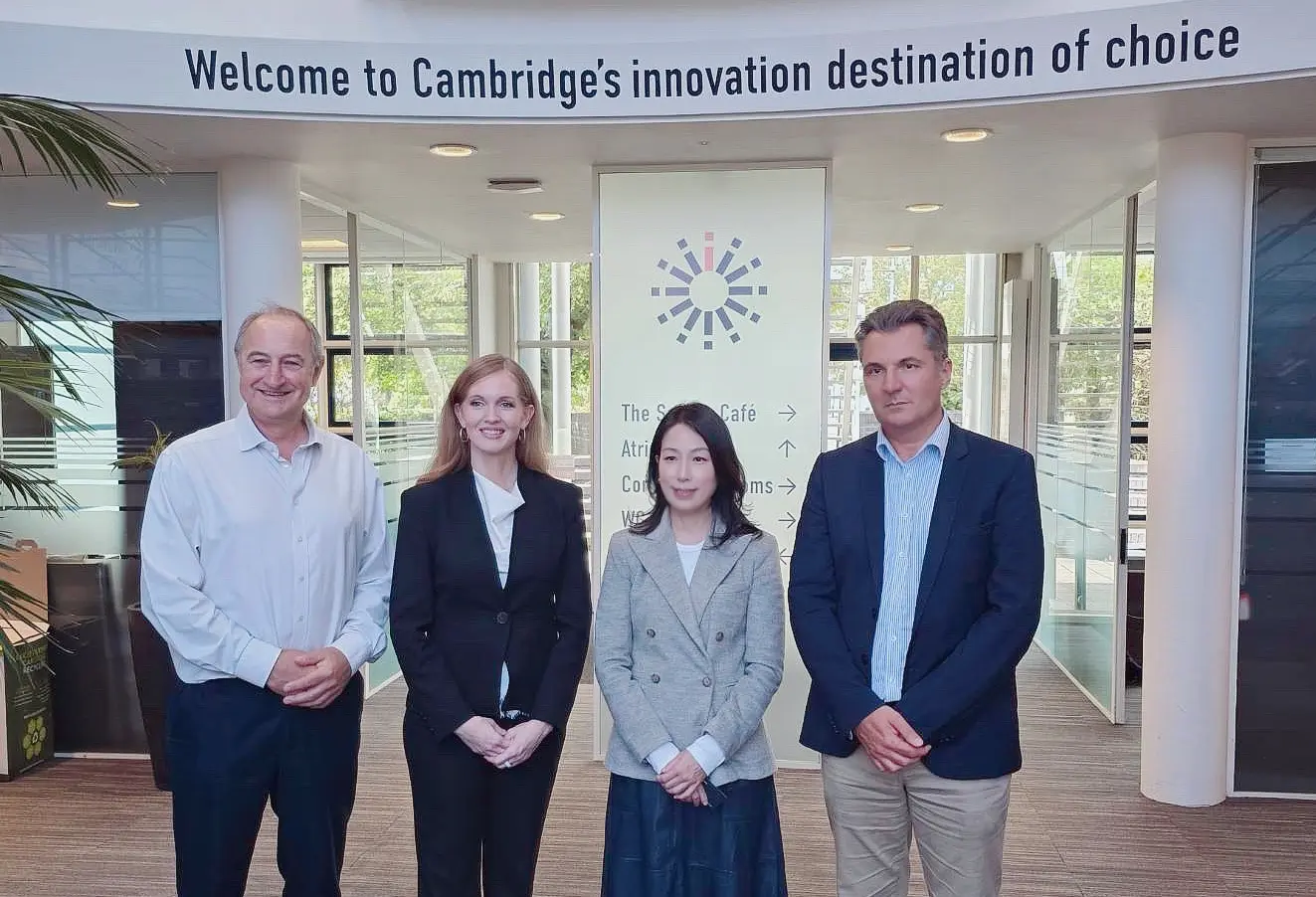
The approach taken by ITIC involved a dual strategy, initiating conversations in Taipei about how Taiwan could integrate with research origins and then shifting the dialogue to explore collaborative technology development. This reciprocal exchange aimed to establish a mutually beneficial relationship, where each ecosystem could use the strengths of the other.
Visits to organizations like Aegiq in Sheffield, focused on photonic quantum technology, exemplify this commitment to supporting direct connections between Taiwanese industry and specific research teams. These interactions aim to identify areas of agreement and facilitate the exchange of expertise, moving beyond abstract discussions toward concrete project development.
The collaborative effort extends to the St John’s Innovation Centre, where Yu continued to build relationships within the innovation community, solidifying the foundation for sustained partnerships. This sustained engagement, coupled with the initial momentum from ITIC Tech Day, seeks to establish a lasting capacity for cooperation, ensuring that Taiwan remains a key player in the global deep tech ecosystem.
For any country seeking to establish and deploy the capacity to produce physical AI at scale, Taiwan has an indispensable role.
Bridging Research & Scale: Taiwan’s Role in Technology Validation
ITIC’s strategy extended beyond simply introducing Taiwanese investors to Cambridge research on August 27, 2026, by actively seeking to define specific roles for each region within the innovation lifecycle. The focus on identifying where Taiwan could add value beyond manufacturing, particularly in prototyping and validation, represented a deliberate effort to reshape perceptions of its capabilities within the UK’s quantum and photonics sectors. Karen Yu’s subsequent attendance at Cambridge Tech Week 2026, beginning September 14 was a reciprocal visit and a continuation of the dialogue initiated in Taipei.
Yu explained that the goal was to pinpoint how Taiwan’s engineering culture could address challenges encountered when moving technologies from laboratory settings into actual manufacturing environments. This proactive engagement aimed to establish a framework where Cambridge could focus on initial research and development, while Taiwan concentrated on scaling and refinement.
The emphasis on identifying obstacles early in the development process reflects a recognition that laboratory success does not guarantee industrial viability. Researchers can meticulously control variables, but a manufacturing environment introduces a multitude of unpredictable factors. Yu’s visit to Aegiq in Sheffield, a photonic quantum technology organization, exemplifies this commitment to understanding specific technological hurdles and exploring potential collaborative solutions. The intention was to move beyond abstract discussions of cooperation and towards concrete projects where Taiwanese expertise could be directly applied to accelerate development.
This collaborative model, where Cambridge excels at taking an idea from zero to one and Taiwan at scaling it from one to a hundred is contingent on a shared understanding of each region’s capabilities. The ITIC president’s work in the Cambridge ecosystem, including engagement with the St John’s Innovation Centre is designed to support a deeper understanding of the resources available in both regions.
This reciprocal exchange is intended to facilitate technology exchanges that inform industrial decisions, ensuring that collaborations are strategically aligned and mutually beneficial. The ultimate aim is to create a lasting innovation corridor where both Taiwan and the UK can thrive, using each other’s strengths to drive the development of next-generation technologies.
Many countries know TSMC, but they do not know what other outstanding capabilities Taiwan has.


See today’s quantum computing news on Quantum Zeitgeist for the latest breakthroughs in qubits, hardware, algorithms, and industry deals.