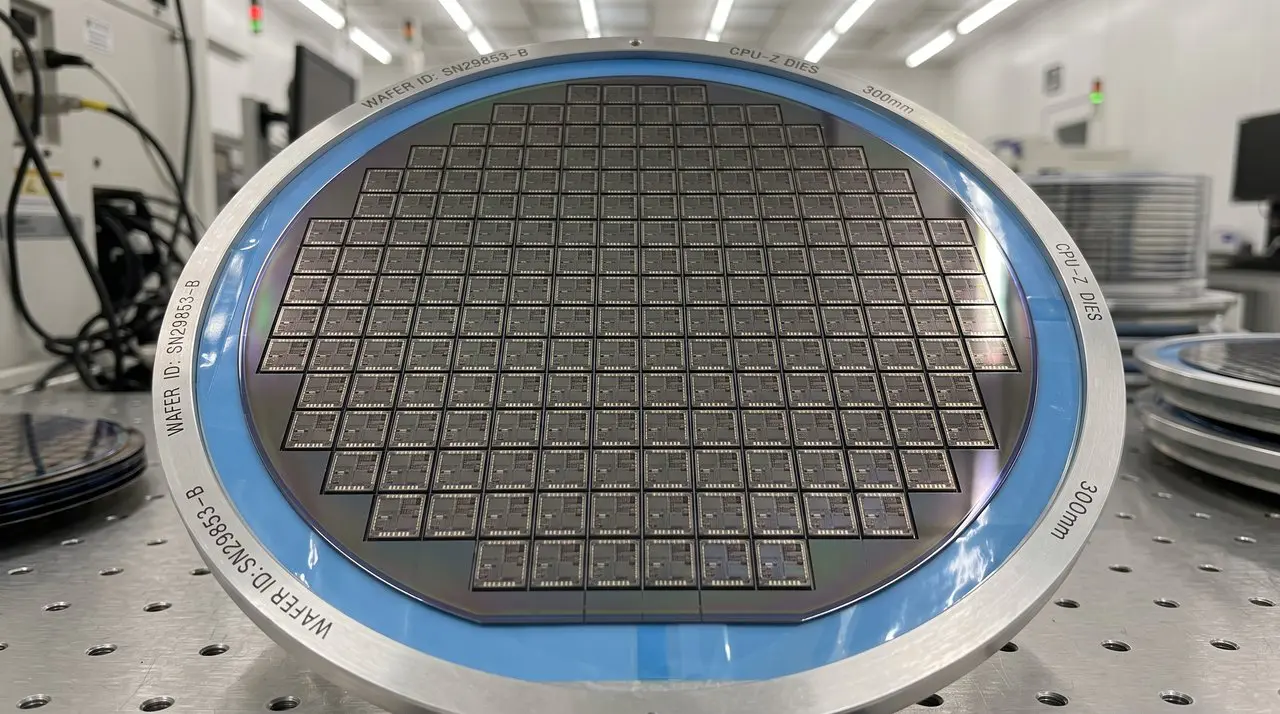
Occam Foundry will build a 16.5-acre quantum technology campus in southeastern Travis County, backed by a letter of support from Austin Mayor Kirk Watson dated September 10. The project directly links to the Texas Quantum Initiative, legislation passed in 2025 under HB 4751, and includes a memorandum of understanding with The University of Texas at Austin’s Texas Advanced Computing Center (TACC). “Austin wants this project and Texas needs it,” said Mayor Watson, emphasizing a strategy to build a quantum cluster around existing Texas industries, rather than relying on federal labs.
TACC and City of Austin Back Occam Foundry Quantum Campus
This quick turnaround signals proactive planning and a commitment to accelerating the project’s development in southeastern Travis County. Under the agreement, TACC will support the development of the 16.5-acre campus while Occam Foundry will bolster TACC’s existing quantum education and workforce programs. This collaboration extends beyond research, with both organizations planning to jointly seek funding from federal, state and philanthropic sources and to facilitate introductions within their respective networks.
TACC’s connections include other UT Austin units, such as the Texas Quantum Initiative and the Cockrell School of Engineering, broadening the potential for interdisciplinary collaboration. “We are excited to partner with Occam Foundry,” said Dan Stanzione, Associate Vice President for Research at UT Austin and Executive Director of TACC. “At TACC, our longstanding commitment is to prepare the workforce for advanced computing today and the advanced computing of the future, where Quantum technologies will play a much larger role.
This is a fantastic opportunity to work together to do just that.” The partnership prioritizes workforce development, with Occam Foundry planning to open its campus to Austin-area public school teachers and students. This includes classroom visits, teacher training initiatives and a direct pathway into the technical roles the facility will require.
Mayor Watson emphasized the importance of preparing future generations for the quantum workforce, stating, “The countries that lead in quantum technology in the 2030s are training their students for it today, and the United States has to do the same. Texas has the industries that will put quantum technology to work.” Supporting TACC’s education and workforce programs, and opening the campus to Austin-area students and teachers, means the people who will operate it can grow up here. This focus on local talent aims to establish a self-sustaining ecosystem for quantum technology within the region.
Mayor Watson views the campus as an important component in realizing the initiative’s goals, noting, “Other states built their clusters around a federal lab. Texas can build one around the industries it already owns, and give the Texas Quantum Initiative a place to deliver on its purpose.” This strategy positions Texas to capitalize on its existing strengths in energy, semiconductors and defense, rather than solely relying on federal research centers.
Matt Cimaglia, Managing Member of Texas Quantum Partners, the developer of Occam Foundry, highlighted the urgency of this endeavor. “There is no time to wait,” Cimaglia said.
The timeline is driven by federal targets, a scientific-scale quantum computer by 2028 and the transition of federal systems to post-quantum cryptography by 2030 and 2031, and the need to prepare a skilled workforce for the emerging quantum landscape. Occam Foundry intends to be one node in a growing national network of quantum technology hubs, alongside similar initiatives in New York, Maryland and other states, supporting a distributed approach to quantum development across the country.
Other states built their clusters around a federal lab. Texas can build one around the industries it already owns, and give the Texas Quantum Initiative a place to deliver on its purpose.




See today’s quantum computing news on Quantum Zeitgeist for the latest breakthroughs in qubits, hardware, algorithms, and industry deals.