CSC, IT Center for Science Ltd. will build LUMI-AI, a supercomputer powered by AMD Instinct MI430X GPUs and 6th Gen AMD EPYC CPUs. The EuroHPC Joint Undertaking signed a procurement contract with Bull on August 31, 2026, to expand AI and high-performance computing capacity across Europe. Scheduled for deployment in the second half of 2027, LUMI-AI will serve researchers, startups, and industry with advanced computational resources.
MI430X GPUs and EPYC CPUs Power LUMI-AI Supercomputer
CSC, IT Center for Science Ltd. in Kajaani, Finland, will house the forthcoming LUMI-AI supercomputer, a system designed to bolster European capacity for both artificial intelligence and high-performance computing. Deployment is currently scheduled for the latter half of 2027, positioning the supercomputer as a central component of the LUMI AI Factory, intended to support innovation in both academic research and industrial applications, the company says.
According to Thomas Zacharia, senior vice president, Global Public Sector and Strategic Partnerships at AMD, “Europe’s next wave of AI innovation will depend on infrastructure that is open, efficient and trusted,” and LUMI-AI represents a step in that direction. The system’s multi-tenant architecture, coupled with API-based access, aims to serve diverse AI communities and facilitate modern development environments. Beyond standard AI and HPC tasks, LUMI-AI is designed to integrate with the LUMI-IQ quantum computing platform, suggesting a future where conventional and quantum computing resources work in concert.
The six-country LUMI AI Factory consortium, comprising Finland, Czechia, Denmark, Estonia, Norway, and Poland, will host the EuroHPC JU-owned system, broadening access to advanced computing for a wider range of stakeholders. Additional compute and storage resources are planned to support AI training, inference, and large-scale scientific simulations, all while aiming to strengthen Europe’s position in data-driven research and innovation.
LUMI-AI Factory: Consortium Deployment and Renewable Energy Design
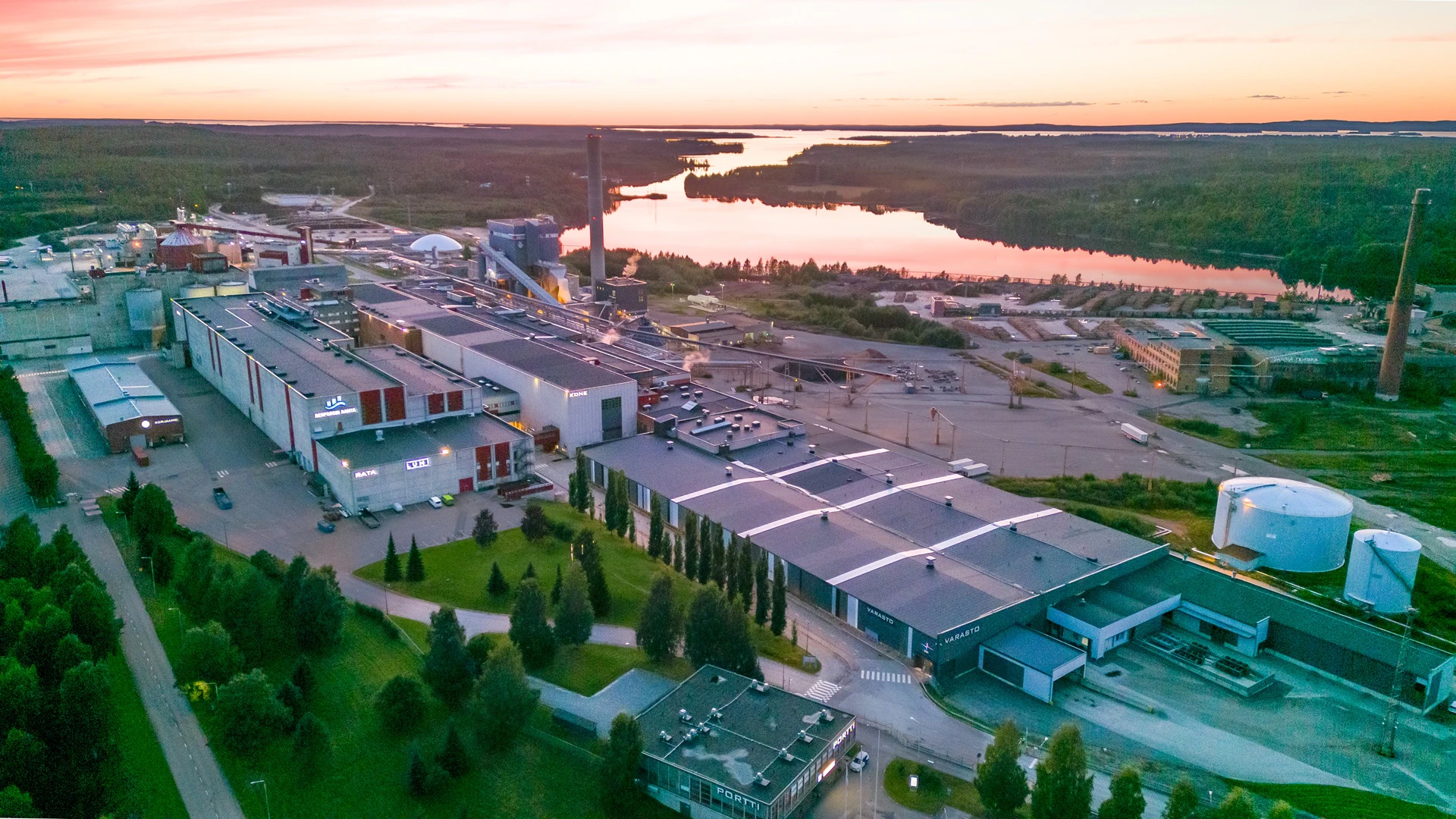
The LUMI AI Factory will operate from a new data center within the Renforsin Ranta business park in Kajaani, Finland, a location selected to maximize the supercomputer’s sustainability profile. Beyond simply utilizing renewable energy sources, LUMI-AI’s liquid-cooling system is designed to capture and redistribute excess heat directly into Kajaani’s district heating network, aiming to establish the system as one of the world’s most energy-efficient high-performance computing facilities. This heat reuse strategy is integral to the project’s 387.8 million euro budget, shared equally between the EuroHPC Joint Undertaking and the six-nation LUMI AI Factory consortium.



See today’s quantum computing news on Quantum Zeitgeist for the latest breakthroughs in qubits, hardware, algorithms, and industry deals.