The Industrial Technology Research Institute (ITRI) reports demonstrating a silicon photonics engine capable of transmitting 3.2 terabits per second, a speed designed to overcome bandwidth limitations in data centers strained by increasing demands from artificial intelligence. This advance utilizes light instead of electrical signals to move data through multiple high-speed channels, achieving a total capacity of approximately 400 gigabytes per second.
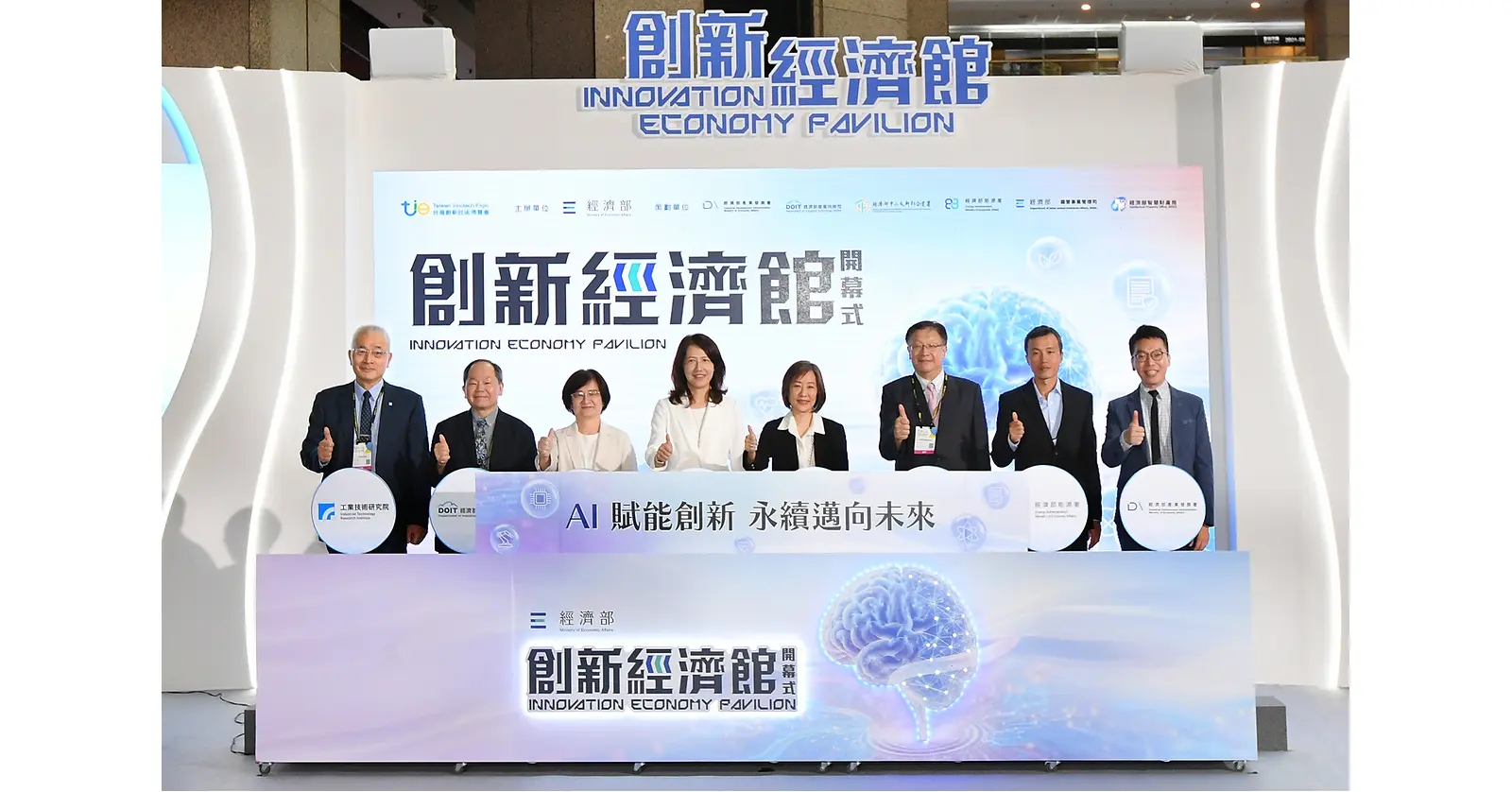
ITRI assembled a network of more than 20 supply chain partners to accelerate commercialization of the technology, strengthening Taiwan’s position in the global AI optical communications supply chain. The 3.2T Silicon Photonics Optical Engine Technology was unveiled at the Taiwan Innotech Expo, which opened on September 17.
2T Silicon Photonics Engine Achieves Doubled Data Transmission Capacity
The previous generation engine delivered approximately 400 gigabytes per second. This increase in bandwidth addresses a critical bottleneck in data centers as artificial intelligence applications demand ever-increasing data throughput, a challenge developers compare to congested roadways. Conventional copper interconnects are reaching their limits, prompting a shift towards optical solutions for more efficient data transfer. Light-based transmission within the engine minimizes signal loss and heat generation, offering a substantial advantage over traditional copper interconnects.
The Industrial Technology Research Institute (ITRI) developed the technology with support from the Department of Industrial Technology (DoIT) of the Ministry of Economic Affairs (MOEA), recognizing the need for a different approach to data movement. The engine utilizes multiple integrated high-speed channels to transmit data via light, achieving a total capacity of 3.2 terabits per second, enough to handle the data equivalent of roughly 20 4K movies simultaneously.
To expedite the adoption of this technology, ITRI has cultivated a network of over 20 supply chain partners, encompassing expertise in chip design, fabrication, testing, and packaging. These collaborations extend internationally, with ITRI working alongside global companies to refine specifications for 3.2T technology and strengthen Taiwan’s position within the AI optical communications supply chain. The collaborative spirit was evident at the Taiwan Innotech Expo 2026, where more than 13 research institutes and industry partners presented 64 technologies, demonstrating a concerted effort to tackle the challenges posed by rapidly expanding AI computing needs.
Beyond increasing data speeds, DoIT-supported innovations are also targeting improvements in healthcare. The development of DiaTrack, a technology for real-time monitoring of uremic toxins during dialysis, demonstrates a parallel commitment to addressing critical medical challenges.
DiaTrack connects directly to dialysis machines, analyzing toxin concentrations every 15 minutes and providing physicians with immediate data to personalize treatment settings. This shift from post-treatment evaluation to in-treatment monitoring, validated through proof-of-concept testing at National Cheng Kung University Hospital, received a National Innovation Award and is slated for pilot deployment in the fourth quarter of 2026.



See today’s quantum computing news on Quantum Zeitgeist for the latest breakthroughs in qubits, hardware, algorithms, and industry deals.