Diraq aims to address the core challenges of utility-scale quantum computing by targeting more than 2 million physical qubits on a single silicon chip by 2031. The company detailed its architecture and roadmap in a new white paper, outlining a path to commercially viable quantum computers built using CMOS-compatible semiconductor technology. Diraq intends to deploy these quantum processors within existing data centre environments, a strategy enabled by leveraging established manufacturing processes; as CEO and founder Andrew Dzurak states, combining scalable processors with low-cost operation will enable a future of useful, commercially viable quantum computing.
Silicon Spin Qubits Roadmap to Over 2 Million Qubits by 2031
This ambitious target is coupled with a plan to achieve 150,000 physical qubits supporting up to 1,000 logical qubits by 2029, demonstrating a focused approach to error correction and usable quantum power. The company’s strategy centers on leveraging CMOS-compatible semiconductor technology, a manufacturing process already established for producing advanced computer chips. This reliance on existing fabrication techniques is intended to drive down costs as qubit counts increase, with Diraq aiming for a total system cost of less than $1 per qubit at scale.
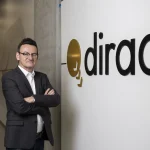
“Scaling quantum computing isn’t about a single breakthrough – it’s solving for physics, engineering, and economics at the same time,” says Andrew Dzurak, CEO and founder of Diraq. Deploying these processors within standard data centre environments will streamline integration with current computing infrastructure.
Diraq’s architecture is designed to enable one million error-corrected operations per minute, combining fast quantum logic with advanced error correction protocols. Dzurak added that their silicon-based approach provides a manufacturing path proven over decades, a cost curve that improves as qubits are added, and a system designed to run inside today’s existing computing infrastructure.
Scaling quantum computing isn’t about a single breakthrough – it’s solving for physics, engineering, and economics at the same time.
Andrew Dzurak, CEO and founder of Diraq

See today’s quantum computing news on Quantum Zeitgeist for the latest breakthroughs in qubits, hardware, algorithms, and industry deals.