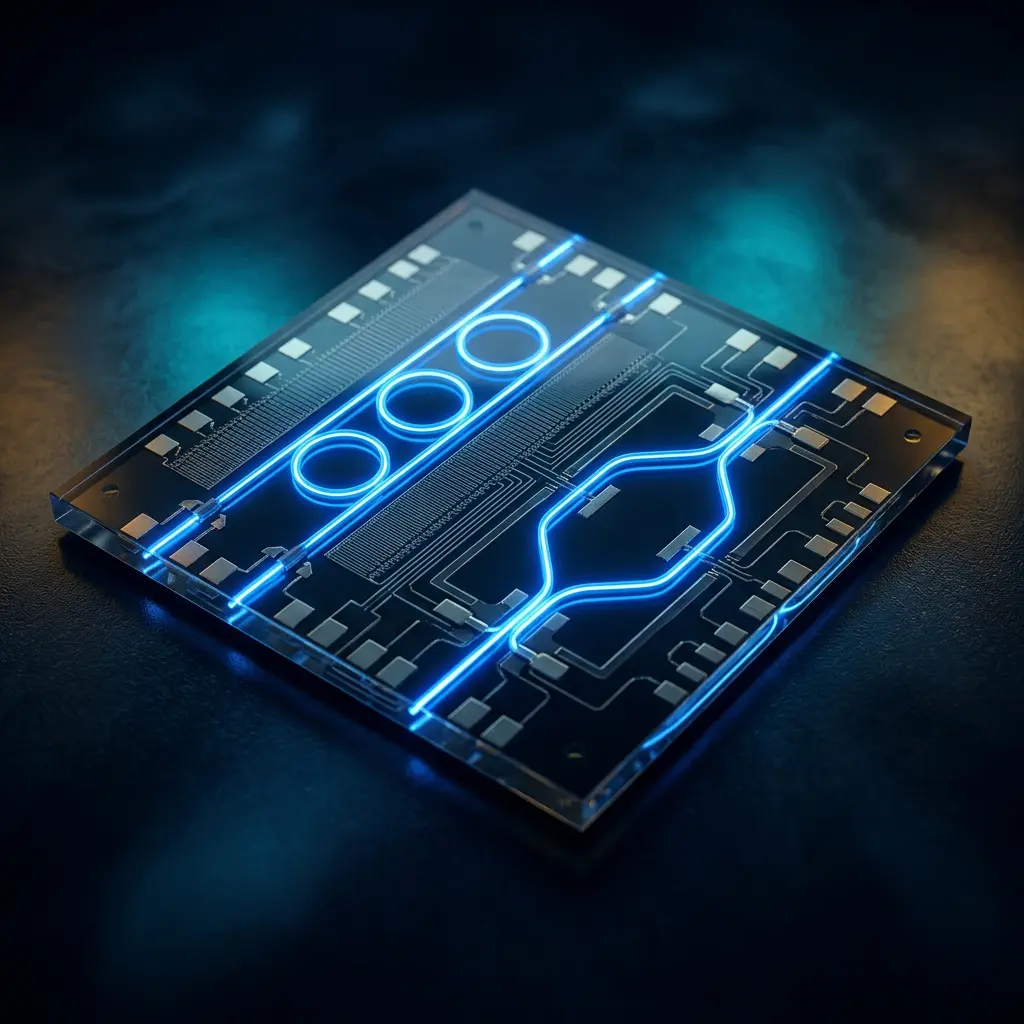
Diraq is seeking $38 million in CHIPS funding to advance its silicon-based quantum processors, an investment in scalable quantum computing infrastructure. The company has expanded its U. S. operations with a new office in Palo Alto, California, improving access to the semiconductor ecosystem and partnerships with industry leaders including Nvidia, Dell, Global Foundries, and imec. “Silicon Valley established the model for scalable computing,” said Diraq CEO and Founder Andrew Dzurak. “We’re applying that model to quantum computing by building processors that are compatible with CMOS manufacturing and designed for integration into existing compute infrastructure.” This expansion reflects Diraq’s strategy of leveraging established manufacturing processes to build compact, energy-efficient processors capable of scaling to millions of qubits on a single chip.
Diraq is pursuing a strategy that differs from many quantum computing approaches; the company intends to fabricate processors using conventional CMOS manufacturing techniques, which could lower barriers to scalability. This focus on CMOS-native processors is a deliberate attempt to leverage the existing semiconductor infrastructure in Silicon Valley, allowing for the potential integration of millions of qubits onto a single chip. The company’s expansion into Palo Alto, California, is directly linked to this ambition, positioning them closer to key partners and a skilled workforce familiar with these processes. This alignment with existing semiconductor manufacturing addresses a critical bottleneck in quantum computing development, unlike approaches requiring exotic materials or entirely new fabrication facilities, which often hinder rapid scaling and widespread adoption.
The company anticipates doubling its Palo Alto team by year’s end, demonstrating confidence in its technology and the demand for scalable quantum infrastructure. Beyond internal development, Diraq is actively building an ecosystem of collaborators to accelerate progress, including industry giants Nvidia, Dell, Global Foundries, and imec, which demonstrates validation from established players in the computing and semiconductor sectors. Funding from the U. S. Department of Commerce represents a significant financial commitment and underscores the government’s recognition of the potential of silicon-based quantum computing.
Andre Saraiva, Head of Product Development, emphasized the strategic importance of the Palo Alto location, stating, “Establishing a Diraq office in Palo Alto puts us closer to the customers, partners, and talent shaping the future of computing.” Diraq’s success in reaching Stage B of DARPA’s Quantum Benchmarking Initiative, one of only eleven companies globally to do so, further validates its approach and its potential to deliver practical quantum solutions.
We’re applying that same model to quantum computing by building processors that are CMOS-native and designed for integration into existing compute infrastructure. That’s what will enable us to scale to millions of qubits on a single chip and move toward real commercial deployment.


See today’s quantum computing news on Quantum Zeitgeist for the latest breakthroughs in qubits, hardware, algorithms, and industry deals.