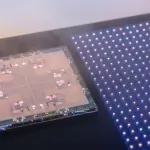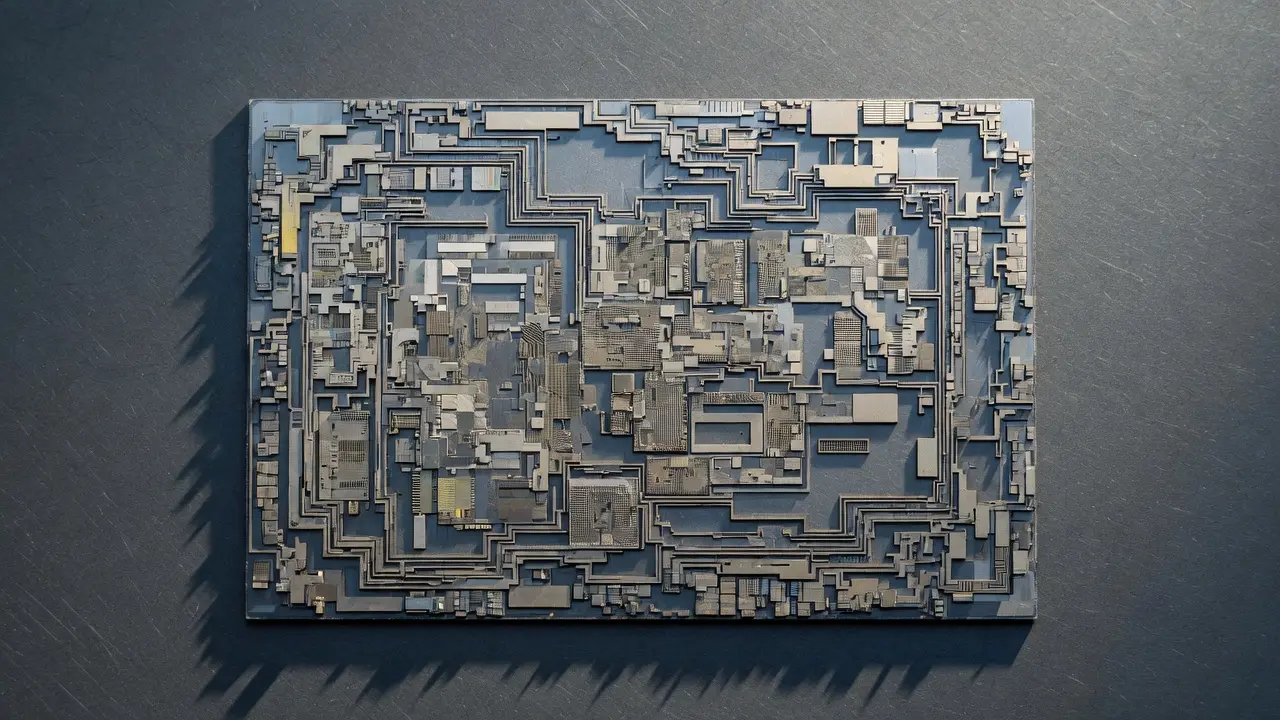
AtlasBase has unveiled the AtlasBase molecular computer, powered by the Thalia chip containing 5.6 billion electro-chemical synthesis sites. This represents a 700x increase in scale over previous DNA synthesis chips, addressing a critical limitation in scaling molecular computing for enterprise use. The platform uses synthetic DNA for both data storage and in-memory computation, allowing specialized processing within the same molecular medium. “For 2 billion years, DNA has flourished as nature’s data platform,” said Jeff Treuhaft, CEO of AtlasBase, “We’re now harnessing that same architecture for computing at a scale that was never before possible.”
Thalia Chip Achieves 700x Scale in DNA Synthesis
The Thalia chip, central to AtlasBase’s new molecular computer, contains 5.6 billion electro-chemical synthesis sites, a density that directly addresses a longstanding limitation in DNA-based computation and storage. This achievement surpasses the capacity of previous DNA synthesis chips by a factor of 700, enabling a scale of molecular processing previously unattainable for enterprise applications. AtlasBase built Thalia using existing CMOS mass manufacturing technologies, a deliberate design choice intended to accelerate commercial viability and integration into existing data center infrastructure.
The company’s semiconductor-based system allows for a significant increase in the rate of DNA strand creation, key for both archiving data and performing in-memory computations, AtlasBase says. The ability to efficiently create synthetic DNA is fundamental to the platform’s core function: combining long-term data preservation with the potential for specialized processing directly on that stored data.
This eliminates the need to transfer information between traditional storage and processing units, a bottleneck that limits the speed and efficiency of conventional computing. The architecture of the AtlasBase platform is predicated on the idea that DNA is a computational substrate. Synthetic DNA is used for both archiving massive datasets and for performing complex calculations within the same molecular environment.
As organizations adopt AI, digitize operations and preserve increasingly valuable data assets, enterprise infrastructure must evolve to support data that is not only larger in volume, but more critical to future business operations. AtlasBase is designed to complement traditional computing infrastructure by providing a molecular platform for long-term data preservation and specialized computational workloads, enabling organizations to securely retain, access, and derive value from data over decades.
AtlasBase brings together three foundational technologies into a single enterprise platform:
- Semiconductor-based DNA Synthesis: Thalia is AtlasBase’s proprietary CMOS DNA synthesis chip, with 5.6 billion electro-chemical synthesis sites to create synthetic DNA at unprecedented scale, according to the company. Built using existing mass manufacturing technologies, Thalia can scale up and scale out to make molecular infrastructure commercially practical for enterprise IT and meet the demands of today’s hyperscale data center designs.
AtlasBase Platform Integrates DNA Storage and Computation
A 700x increase in scale over previously available DNA synthesis chips represents a key technical barrier to bringing molecular computing to IT scale. AtlasBase’s approach uses existing CMOS manufacturing processes for Thalia, a strategy intended to accelerate commercial viability by using established infrastructure rather than requiring entirely new fabrication facilities. The company anticipates this will allow molecular infrastructure to meet the demands of modern hyperscale data center designs, integrating smoothly with existing IT systems.
AtlasBase’s platform distinguishes itself by unifying DNA synthesis, storage and computation within a single system, a design intended to bypass obstacles that have historically slowed development of molecular computing. The platform is not envisioned as a replacement for silicon-based computing, but rather as a complementary layer for long-term data preservation and specialized computational tasks.
This allows organizations to securely retain data for decades, while also applying DNA-based computation to complex optimization problems that benefit from massively parallel processing. The integration of storage and computation within the same molecular medium represents a key differentiator for AtlasBase, moving beyond simple DNA archiving to enable entirely new processing paradigms, the firm reports. This capability is particularly relevant as organizations grapple with the increasing volume and criticality of their data assets, driven by the adoption of AI and digitization of operations.
Traditional methods of DNA synthesis have proven to be bottlenecks, limiting the amount of data that can be stored and processed. By using existing mass manufacturing technologies, AtlasBase aims to overcome these limitations and create a platform capable of handling the demands of enterprise IT. The resulting infrastructure allows for the efficient archiving of massive datasets into synthetic DNA, providing incredibly dense, durable and long-term preservation.
This is coupled with the ability to perform DNA-based computation directly on that stored data, eliminating the need for data transfer and reducing latency. AtlasBase’s vision extends beyond simply storing data in DNA. The company is actively developing the computational capabilities of the platform to address specific challenges. The platform is designed to excel at specialized optimization and data search problems, using the inherent parallelism of DNA to accelerate processing. The potential applications of this technology are broad, but AtlasBase is initially targeting industries with particularly demanding data storage and computational needs.
Molecular Storage Addresses Long-Term Data Preservation
AtlasBase designed Thalia using existing semiconductor manufacturing techniques, a deliberate strategy to ensure compatibility with established mass production processes and facilitate rapid scaling beyond laboratory prototypes. AtlasBase is initially targeting applications where the benefits of this integrated system are most pronounced, including digital preservation and complex optimization challenges, the company states. The company envisions molecular storage as a solution to the growing challenge of long-term data preservation, particularly in industries like entertainment where vast libraries of digital content require secure and durable archiving. This hybrid approach allows organizations to optimize performance and efficiency for different types of tasks. AtlasBase, founded in 2025 and headquartered in San Francisco, is building on its innovations in DNA synthesis to combine bio-silicon, electrochemical and semiconductor technologies into a unified platform.



See today’s quantum computing news on Quantum Zeitgeist for the latest breakthroughs in qubits, hardware, algorithms, and industry deals.