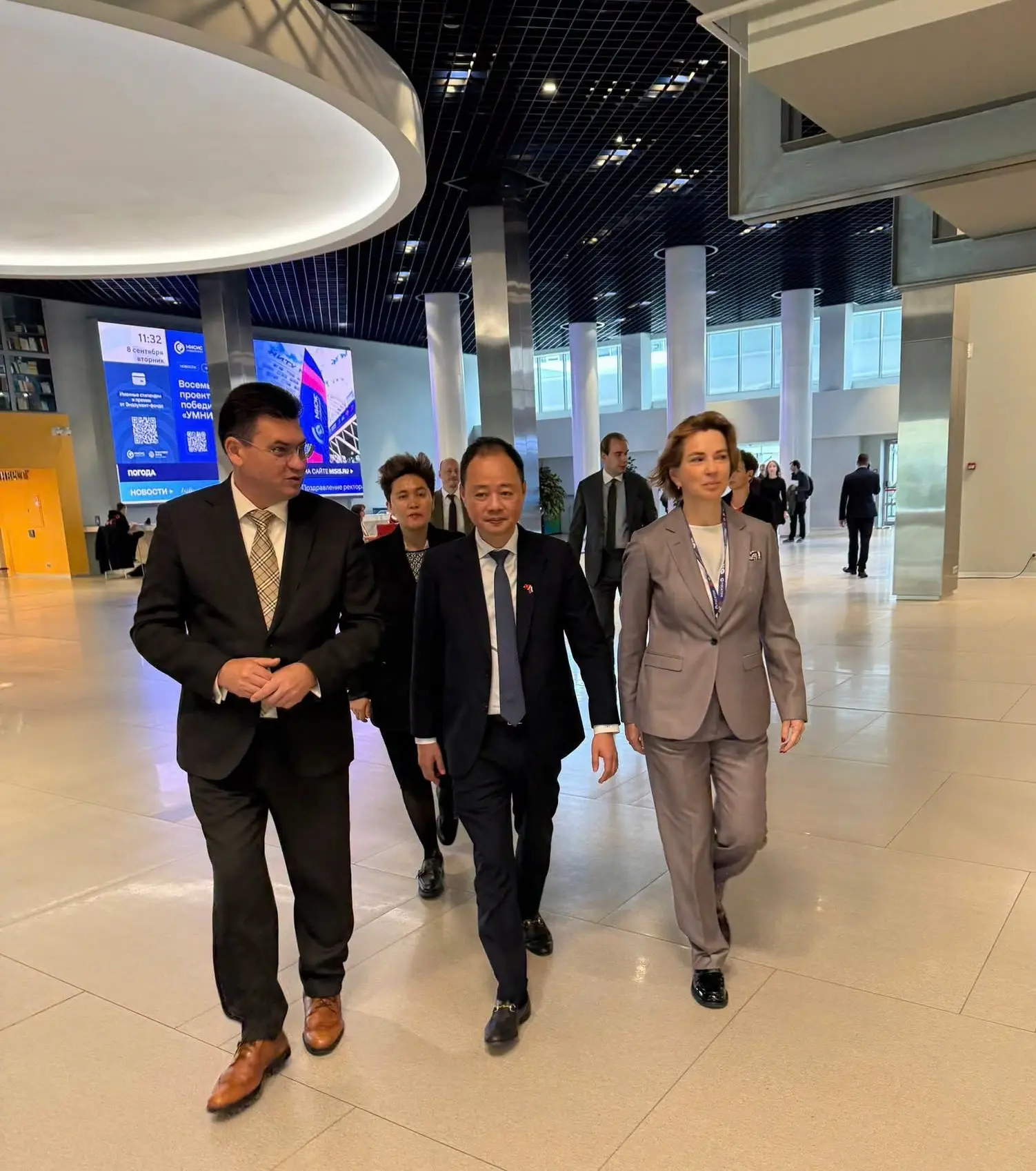
The Vietnam Academy of Science and Technology is partnering with Rosatom to accelerate its entry into quantum technology. Prof. Dr. Tran Hong Thai of VAST specifically cited the need to “shorten the process of building up its workforce” by learning from Russia’s experience in the field.
VAST and Rosatom agreed on a roadmap for cooperation in quantum technology comprising four main components: sharing experience in developing national strategies; training and human resource development; sharing and connecting research infrastructure; and gradually gaining access to and developing an integrated quantum computing infrastructure encompassing both software and hardware. The partnership aims to establish domestic expertise while using Russian advancements in both software and hardware.
VAST and Rosatom Define Four Components of Quantum Cooperation
This exchange aims to provide VAST with a framework tailored to Vietnam’s specific capabilities and conditions, acknowledging the substantial investment required to advance quantum technology. Rosatom’s experience coordinating Russian quantum programs is considered particularly valuable in this initial phase of strategic planning. Beyond strategy, the roadmap details a focus on training initiatives designed to accelerate workforce development within Vietnam’s quantum field.
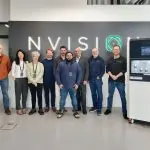
A visit to NUST MISIS, a Russian university, provided VAST delegates with direct exposure to research activities and equipment, suggesting a focus on establishing concrete collaborative opportunities. The development of this roadmap, according to VAST, provides a foundation for Vietnam to research, master, and ultimately develop its own quantum technology capabilities.

See today’s quantum computing news on Quantum Zeitgeist for the latest breakthroughs in qubits, hardware, algorithms, and industry deals.