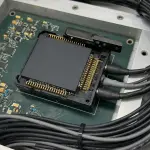
SuperQ Quantum Computing Inc. (CSE: QBTQ, OTCQB: QBTQF, FSE: 25X) is developing its Super Nova quantum processor at the University of Waterloo’s Digital Quantum Matter Lab, with supervision from superconducting quantum physics expert Professor Matteo Mariantoni. The company aims to overcome barriers to quantum adoption by creating a modular system designed to integrate directly into existing enterprise IT infrastructure. SuperQ reports this approach addresses high costs and interoperability issues currently limiting widespread use of superconducting quantum processors, and is also expanding its technical team at the Waterloo lab.
Super Nova Processor Development at Waterloo’s Digital Quantum Matter Lab
SuperQ is simultaneously expanding its technical team with multiple Quantum Hardware Scientists stationed at the Waterloo lab to accelerate hardware execution and development of the modular hybrid quantum computer. Super Nova is designed to integrate directly into enterprise IT environments and high-performance computing infrastructure, a key departure from processors primarily intended for research purposes.
The company reports this modular, hybrid hardware architecture addresses fundamental bottlenecks in the field, enabling seamless operation alongside classical CPUs and GPUs. SuperQ states that widespread commercial and institutional adoption has been constrained by the absence of a dedicated quantum operating system, a challenge Super Nova seeks to resolve.
SuperQ secured C$4.6 million in an oversubscribed brokered financing on July 1, 2026, with Canaccord Genuity as investors, bolstering resources for this development. These partnerships, alongside the processor’s development, reflect SuperQ’s focus on democratizing quantum computing access through cloud-based platforms and automated solution development, aiming to lower both the technical and financial barriers to commercializing quantum and supercomputing technologies.


See today’s quantum computing news on Quantum Zeitgeist for the latest breakthroughs in qubits, hardware, algorithms, and industry deals.