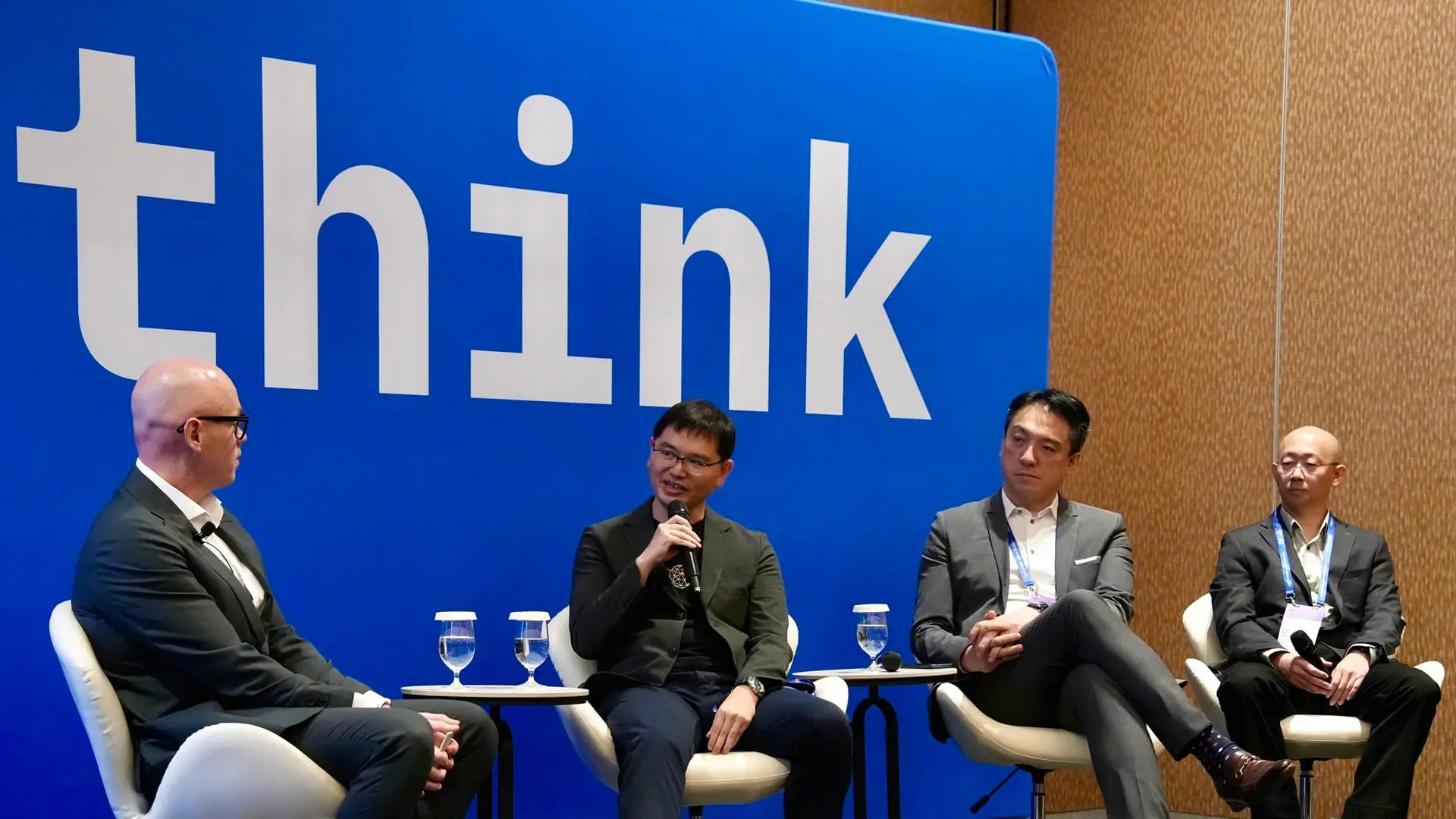
The Singapore Armed Forces is directly exploring the potential of quantum computing to solve real-world logistical challenges. The Digital and Intelligence Service and Defence Science and Technology Agency have partnered with IBM, using the IBM Quantum System Two as a model for evaluating complex mission planning applications. This collaboration focuses specifically on logistics optimisation, aiming to improve efficiency in balancing operational constraints, resources, and timelines. Military Expert 7 Guo Jinghua, Commander SAF C4 and Digitalisation Command, stated that quantum computing has the potential to transform how complex mission planning problems are solved, and he believes it is important to engage early to understand both its opportunities and limitations. By building internal expertise alongside IBM specialists, the SAF intends to prepare for future breakthroughs in quantum technology and strengthen its digital capabilities.
DIS and DSTA Explore IBM Quantum System Two for Mission Planning
The Singaporean military is actively investigating how quantum computing can reshape its approach to mission planning, with a specific focus on optimising complex logistical challenges. Discussions surrounding the partnership featured a model of the IBM Quantum System Two, indicating the specific hardware platform under consideration for these applications. The DSTA and DIS engineers will collaborate directly with IBM specialists to develop and assess quantum optimisation methods for a representative mission planning scenario, aiming to build practical expertise for future innovation. This initiative is part of a larger effort to bolster future digital capabilities and ensure the Ministry of Defence and SAF are prepared to leverage emerging technologies. The collaboration extends beyond simply accessing quantum computing power; it prioritises building internal expertise within the DIS and DSTA.
DSTA’s Deputy Chief Executive (Information), Ms Gayle Chan, emphasized the importance of systems engineering in evaluating the real-world impact of quantum technologies on future mission planning. IBM plans to provide cloud access to its quantum compute resources and enablement materials to help the DIS and DSTA develop skills and explore applications, including logistics optimisation. Scott Crowder, Vice President, IBM Quantum Adoption and Business Development, said the DIS and DSTA will receive cloud access to IBM’s quantum compute resources, signalling IBM’s commitment to supporting the SAF’s quantum journey.
Quantum computing has the potential to transform how complex mission planning problems are solved, and we believe it is important to engage early to understand both its opportunities and limitations.
Military Expert 7 Guo Jinghua, Commander SAF C4 and Digitalisation Command
This focus on a specific mission planning challenge, resource allocation, signals a pragmatic approach, prioritizing demonstrable impact over broad, undefined quantum applications. The DSTA and DIS are not simply seeking access to quantum processing power; they are building internal expertise through collaborative development with IBM specialists.
Realising the value of quantum computing requires more than advancements in technology – it requires a deep understanding of operational problems and how new technologies can be integrated into real-world systems.
Ms Gayle Chan, Deputy Chief Executive (Information) at DSTA




See today’s quantum computing news on Quantum Zeitgeist for the latest breakthroughs in qubits, hardware, algorithms, and industry deals.