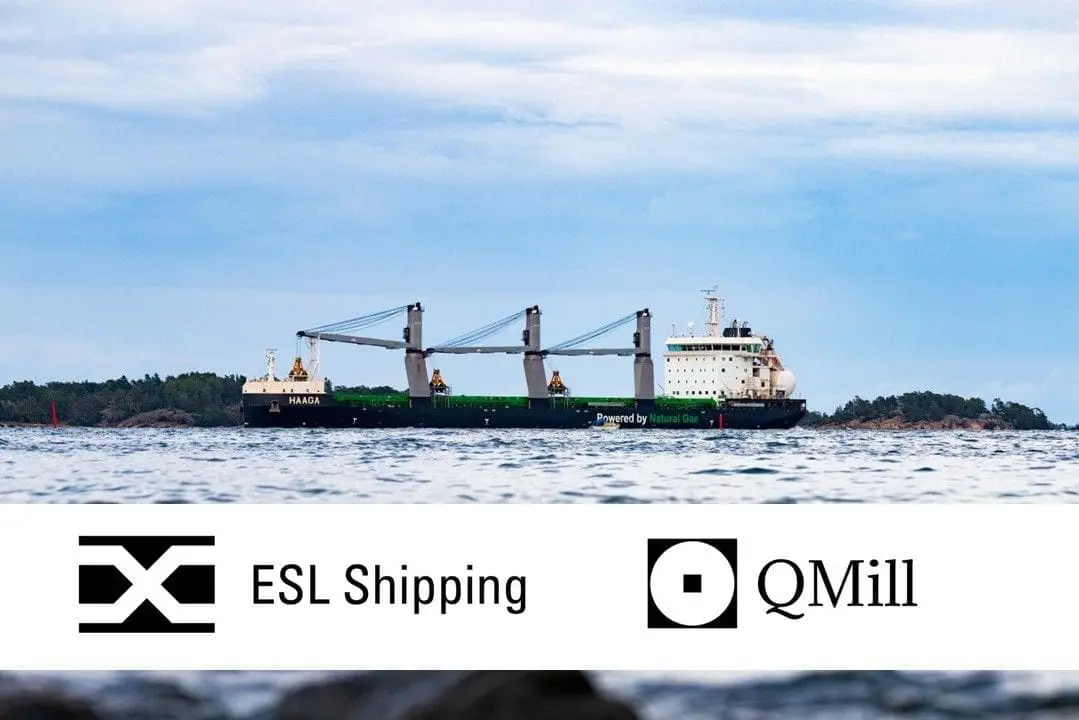
ESL Shipping is partnering with QMill to explore how quantum computing can optimize the intricate logistics of tramp trade shipping, a challenging area of the maritime industry. Partially funded by Business Finland, the multi-year project integrates ESL Shipping’s real operational data with QMill’s quantum-classical hybrid algorithms, moving beyond theoretical applications. This collaboration aims to improve fleet-level planning, address capacity constraints, and reduce emissions through advanced optimization methods. “Fleet optimization in tramp trade shipping is highly complex with many variables that change dynamically,” says Kirsi Ylärinne, Environment & Sustainability Director at ESL Shipping. “Our goal is to understand how advanced optimization methods can meaningfully support operational planning and emission reductions.”
Smart Fleet Optimization Project Addresses Shipping Complexities
Business Finland’s partial funding of ESL Shipping’s project indicates strong support for quantum computing exploration within the maritime sector, suggesting a strategic national investment in the technology’s potential. The project deliberately focuses on a difficult area of logistics characterized by fluctuating variables and complex optimization requirements, a departure from generalized quantum computing applications. ESL Shipping’s decision to leverage existing data streams is crucial, allowing for immediate validation of QMill’s algorithms against real-world performance metrics. This project addresses the simultaneous management of cargo flows, capacity limitations, emissions targets, and commercial objectives, reflecting the multifaceted challenges faced by modern shipping companies.
QMill’s Ville Kotovirta emphasizes the immediate benefits of their hybrid approach, stating, “By integrating QMill’s quantum-classical hybrid optimization algorithms with ESL Shipping’s operational data we can deliver real business value today, while unlocking greater value as quantum hardware matures.” This strategy acknowledges the current limitations of quantum hardware while positioning ESL Shipping to capitalize on future advancements. According to Ylärinne, the funding from Business Finland demonstrates a commitment to practical application and long-term viability.
QMill’s Hybrid Algorithms Assess Quantum Computing Suitability
The pursuit of quantum computing solutions is increasingly focused on pragmatic applications, with companies like QMill integrating quantum-classical hybrid algorithms with existing data streams rather than purely theoretical explorations. Business Finland is partially funding this initiative, signaling a national commitment to exploring the potential of quantum technologies within the maritime sector. This project isn’t simply an academic exercise, but a live assessment utilizing ESL Shipping’s real operational data to determine the viability of quantum solutions for complex logistical challenges. Specifically, the collaboration targets the intricacies of a segment defined by its dynamic variables and demanding optimization requirements. QMill’s contribution centers on its hybrid algorithms, designed to bridge the gap between classical and quantum computing capabilities. The project’s success could demonstrate a pathway for wider adoption of quantum computing in logistics and beyond, proving its utility in solving real-world problems.
Fleet optimization in tramp trade shipping is highly complex with many variables that change dynamically.
Kirsi Ylärinne, Environment & Sustainability Director at ESL Shipping



See today’s quantum computing news on Quantum Zeitgeist for the latest breakthroughs in qubits, hardware, algorithms, and industry deals.