Software underpinning quantum systems took a significant step forward as qBraid unveiled qBraid OS, a unified operating system designed for quantum processors and accelerated computing, the company says. The new platform already integrates with hardware from 18 quantum providers and supports thousands of developers through existing infrastructure. qBraid OS uses the NVIDIA CUDA-Q platform to combine quantum and classical computing resources under a single scheduler, allowing for quantum error-correction decoding and processing.
“Companies building quantum computers should be able to spend their time on the hardware,” said Kanav Setia, CEO of qBraid, “qBraid OS gives them the software we have built and run for our own platform, connected to NVIDIA accelerated computing, so their systems are ready for users sooner.”
qBraid OS Integrates Quantum Processors with NVIDIA CUDA-Q
qBraid OS is designed to combine scheduling of quantum processors and NVIDIA accelerated computing, including systems connected through NVIDIA NVQLink, a high-bandwidth interconnect. This integration allows for quantum error-correction decoding and classical processing to occur during each quantum job, streamlining workflows and potentially reducing latency. The platform connects to existing processor interfaces or directly to a system’s control electronics, offering flexibility for hardware providers.
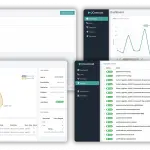
The architecture of qBraid OS centers around two core components: qBraid Runtime and qBraid Gateway. qBraid Runtime manages scheduling, metering and access control, while qBraid Gateway facilitates communication with the underlying quantum hardware. The system also supports agent-run operations, allowing AI agents to manage tasks within permissions set by the system operator.
Sam Stanwyck, Director of Quantum Product at NVIDIA, stated that “Quantum processors and GPU supercomputers will become as easy to use together as CPUs and GPUs are today.” qBraid OS uses the NVIDIA CUDA-Q platform, enabling systems to be accessible to developers through CUDA-Q, which positions the software within the NVIDIA ecosystem.
Quantum processors and GPU supercomputers will become as easy to use together as CPUs and GPUs are today.
Sam Stanwyck, Director of Quantum Product at NVIDIA



See today’s quantum computing news on Quantum Zeitgeist for the latest breakthroughs in qubits, hardware, algorithms, and industry deals.