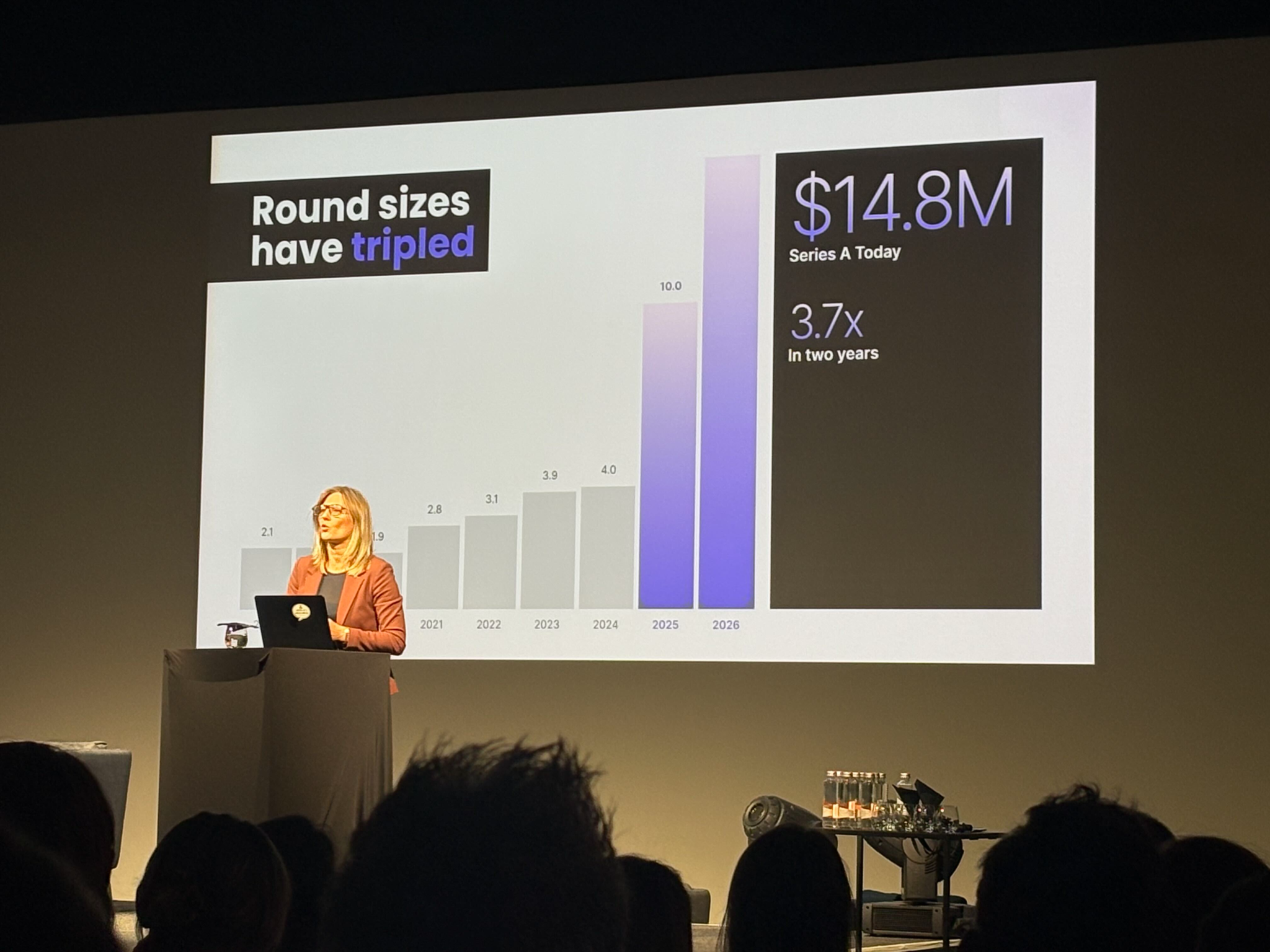
Seven founders graduated from the 2026 QAI Ventures accelerator cohort at the Quantum Global Summit, signaling growing momentum in the quantum startup space as established companies grapple with strategy. Many now have a quantum position before they have a quantum programme, a gap highlighted by Carlos Kuchkovsky, CEO and Co-Founder of QCentroid, who argued the starting point should be “a KPI the organisation already reports on.” QCentroid itself was an accelerator participant two years ago and now provides the platform for QAI Ventures’ industry sandboxes, enabling organizations to test quantum applications within their own contexts.
QCentroid’s Accelerator Journey & Industry Sandbox Platform
QCentroid now powers the industry sandboxes used by QAI Ventures, a rapid evolution for the company that participated in the accelerator program just two years prior. This transition from startup to industry enabler demonstrates the accelerating pace of development within the quantum ecosystem, allowing companies to quickly move from receiving investment to facilitating exploration for others. The sandboxes offer organizations a dedicated environment to test sector-specific quantum use cases, moving beyond theoretical positioning toward practical application and evidence-based roadmaps.
Kuchkovsky advocated for beginning with a pragmatic starting point for identifying potential quantum applications, prioritizing demonstrating business relevance and securing continued funding, acknowledging that a clear path to value is essential for long-term success. He explained that while technical requirements vary across industries, the core process of identifying solvable problems, evaluating current solutions, and building evidence of quantum value remains consistent.
The QAI Ventures accelerator program culminated with the graduation of seven founders at the summit, signaling a growing output of quantum startups. This cohort’s journey mirrors QCentroid’s own recent experience, highlighting the program’s effectiveness in nurturing early-stage companies.
Romi Sumaria, Chief Commercial Officer at QAI Ventures, and Adrian Glatz, Partner at KPMG, joined Kuchkovsky in discussing the challenges and opportunities of building a robust quantum strategy. The firm’s recent launch of a Singapore hub with SoftBank, alongside a $300K investment across four deep-tech startups via its Singapore Quantum Accelerator, as reported on 2026-07-10, underscores its commitment to fostering quantum-classical hybrid computing applications for industry.
QAI Ventures’ embedded presence within the Basel quantum ecosystem, near the Paul Scherrer Institute and ETH, further strengthens its position as a central player in the field. According to Kuchkovsky, quantum readiness isn’t about possessing all the answers, but rather about cultivating the ability to discover them, a philosophy now embedded within the structure of the QAI Ventures sandboxes. He stated that finding answers is key to realizing the potential of quantum technology for real-world impact.



See today’s quantum computing news on Quantum Zeitgeist for the latest breakthroughs in qubits, hardware, algorithms, and industry deals.