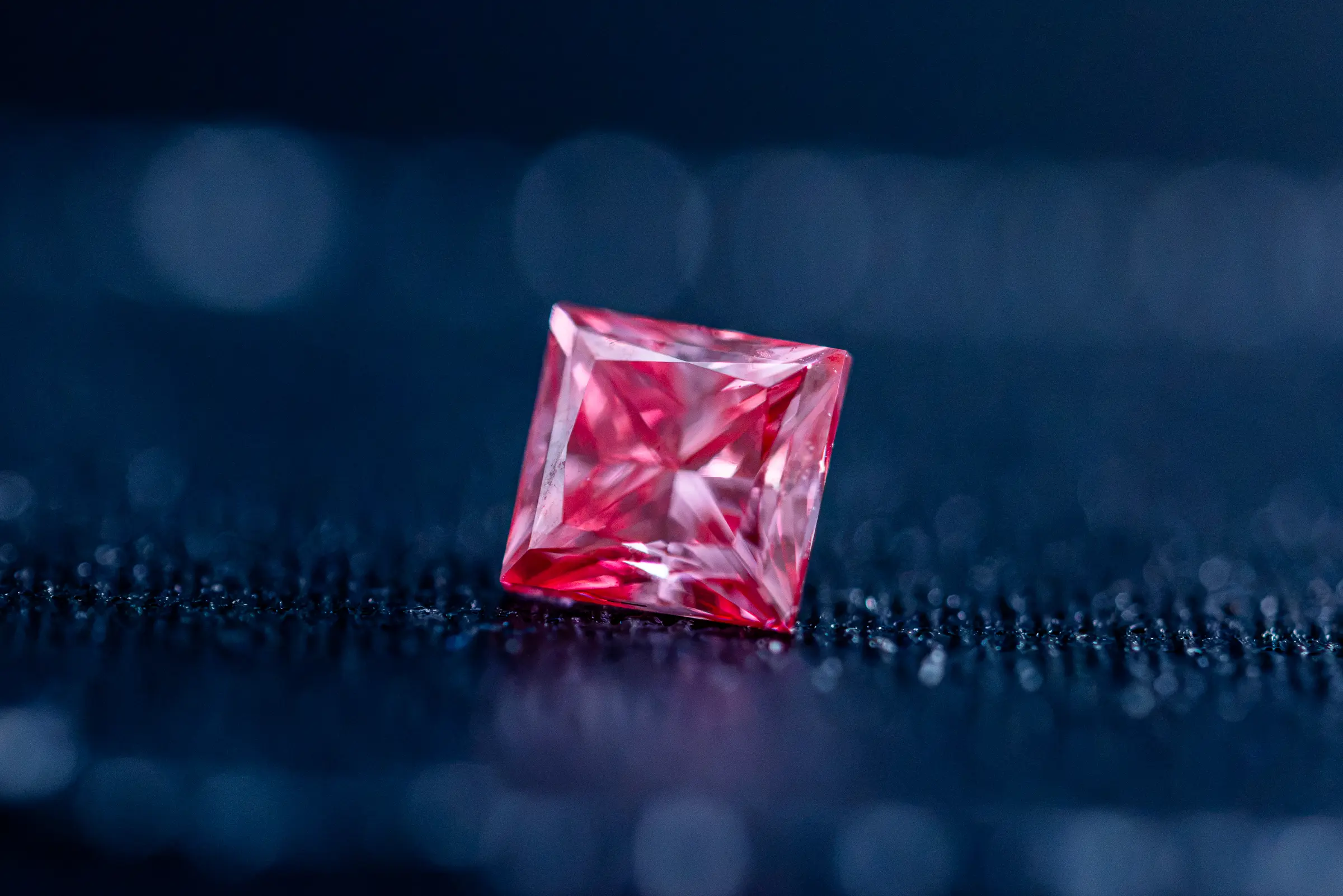
Princeton Plasma Physics Laboratory researchers have developed a new method for designing quantum materials by treating qubits as if they were individual molecules. Staff research scientist Mark Martirez “carved out” a small cluster of atoms around defects in diamond to apply established chemical modeling tools, dramatically speeding up the simulation process.
This approach has already identified promising materials, including novel boron and oxygen-based defects, for practical quantum sensors and computers functional at room temperature, a significant advantage over materials requiring extreme cooling. “Because we’re treating the qubits as molecules, the cost of calculating these defects is equivalent to the cost of just modeling a simple molecule,” Martirez said.
Defect Clusters as Qubits Enable Faster Simulations
Simulating the behavior of qubits now occurs at an accelerated rate thanks to a novel computational approach focusing on small atomic clusters. Staff research scientist Mark Martirez developed a method of modeling these clusters, ranging from 16 to 30 atoms surrounding a defect in diamond, as isolated molecules, using decades-old chemical simulation tools. The technique has already identified promising new qubit candidates based on boron and oxygen defects within the diamond lattice.
The ability to rapidly assess qubit performance is critical for advancing quantum technology, where more sensitive sensors and faster computers are highly sought after. Traditional simulations of qubits presented a significant computational hurdle, but this new method circumvents that challenge by focusing on the immediate atomic environment of the defect.
Researchers at PPPL published their findings in ACS Central Science, detailing how this molecular-level treatment unlocks faster and more accurate predictions of qubit behavior when exposed to light and microwave pulses. This accelerated simulation process allows for the discovery of defects exhibiting desirable quantum properties, like the ability to emit different wavelengths of light.
Nitrogen-added diamond, often appearing pink, remains a prominent material in quantum research due to its capacity to maintain a stable quantum state even at room temperature. However, the team’s work expands the possibilities beyond the commonly studied nitrogen-vacancy defects, which emit red light when stimulated.
The research revealed that oxygen-based defects shine blue, while boron-based defects emit ultraviolet light. Martirez said that this could allow for combining different qubits of different responses, so one could probe one qubit but not the other, suggesting a potential pathway toward more complex and versatile quantum systems. The implications extend beyond simply identifying new qubit materials; fully understanding the underlying chemistry of these defects could fundamentally reshape the design of future qubit structures.
Currently, there’s a great emphasis on building the first qubit computer, but Martirez believes this method will enrich our fundamental understanding of molecular systems. “This method really opened the floodgates” in terms of how qubits can be assessed.
One could imagine, then, combining different qubits of different responses, so you can basically probe one qubit but not the other.
Mark Martirez, Staff Research Scientist at PPPL
The research, recently published in ACS Central Science, has already attracted attention from experts seeking to overcome the challenges of building stable and scalable quantum technologies. “This method really opened the floodgates” in terms of the scale and accuracy of simulations possible, he said.
Because we’re treating the qubits as molecules, the cost of calculating these defects is equivalent to the cost of just modeling a simple molecule.
Mark Martirez, Staff Research Scientist at PPPL



See today’s quantum computing news on Quantum Zeitgeist for the latest breakthroughs in qubits, hardware, algorithms, and industry deals.