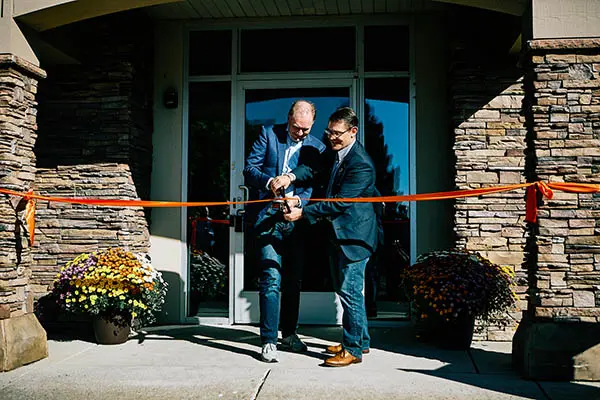
On October 7, PHIX opened its new photonics packaging facility in Bozeman, Montana, with a ribbon-cutting ceremony attended by PHIX CEO Albert Hasper, Jose Pozo of Optica and Montana officials. The facility is designed to bolster Montana’s Integrated Photonics Ecosystem (IPE) by adding packaging and assembly capabilities to existing strengths in photonic integrated circuit design, development, and testing.
“This facility gives us a platform to expand our U.S. presence and support companies working to bring new photonic technologies to the market,” said Albert Hasper, Chief Executive Officer at PHIX Photonics Assembly. Jason Yager, Executive Director of the Montana Photonics & Quantum Alliance (MPQA), joined Hasper and Commissioner of Industry Sarah Swanson at the ceremony.
PHIX Facility Expands Montana’s Integrated Photonics Ecosystem (IPE)
The addition is intended to support companies commercializing PIC-based products within the state’s Integrated Photonics Ecosystem. The Bozeman location positions PHIX closer to its North American customer base and complements existing regional expertise, according to the company. Montana’s combination of industry, research and public investment in photonics is furthered by this facility, which adds packaging and assembly to the state’s capabilities. By providing a more complete service offering to companies developing and deploying photonic technologies throughout the United States, PHIX aims to support the growth of the field.



See today’s quantum computing news on Quantum Zeitgeist for the latest breakthroughs in qubits, hardware, algorithms, and industry deals.