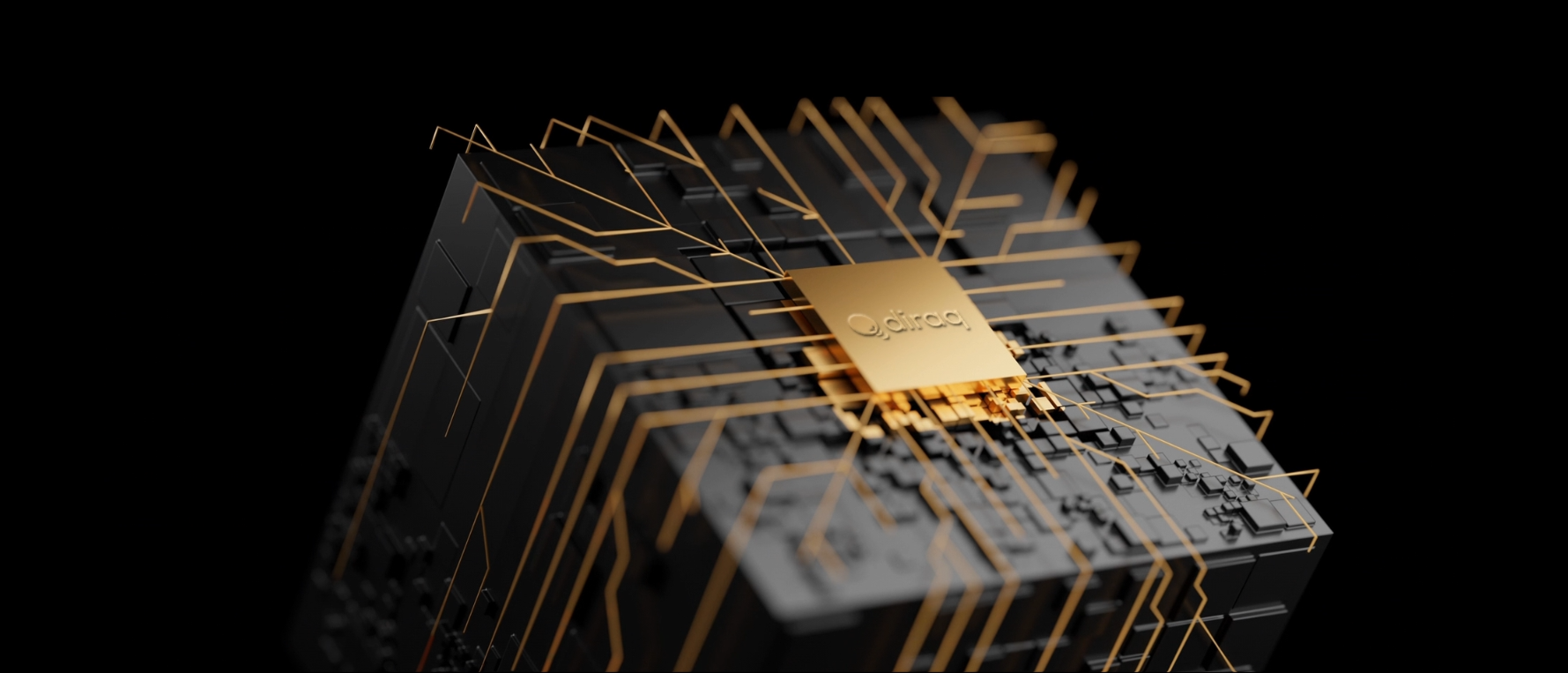
In 2026, Diraq deployed a quantum computer within an Equinix data center in Australia, marking the first time a silicon spin quantum computer has operated inside a shared commercial facility. This deployment distinguishes Diraq’s approach, as the company designs for scalability with chip upgrades that avoid overhauling existing data center infrastructure. Its quantum computer currently draws less than 20kW of power.
“The promise of quantum computing is extraordinary,” said Andrew Dzurak, CEO and Founder of Diraq, “Quantum computing could help us cure diseases we can’t treat today, store clean energy more cheaply and feed more people with less damage to the planet.”
Diraq Deploys First Silicon Qubit Computer in Equinix Data Centre
Diraq’s quantum computer operates within the established power constraints of conventional data centers, consuming less than 20kW of power, a figure notable given expectations of substantial energy demands for quantum systems. The company’s design prioritizes compatibility with existing infrastructure, allowing integration alongside standard servers without requiring extensive modifications to the data center’s power or cooling systems. The architecture underpinning Diraq’s approach is specifically designed for scalability through chip upgrades, a key advantage over architectures requiring complete facility overhauls to increase qubit capacity.
This modularity means that as the system expands, the surrounding infrastructure and physical footprint can remain largely unchanged, streamlining future expansion and reducing associated costs. Diraq reported the first qubits fabricated entirely within a commercial foundry on standard 300mm wafers in 2025, a milestone published in Nature demonstrating the viability of using existing semiconductor manufacturing processes.
This contrasts with approaches requiring custom fabrication, potentially accelerating the path to larger qubit counts and wider accessibility. The deployment within Equinix is intended to demonstrate real-world performance and operational characteristics of Diraq’s quantum computer alongside classical computing and artificial intelligence systems, the company says. This co-location allows customers to directly observe quantum computing in action within a contemporary computing environment, providing valuable insights into its potential applications and integration challenges.
“That promise only becomes real if quantum computers are built at scale and made accessible to the people solving those problems.” Diraq’s technology uses transistors as qubits, using the established processes of semiconductor manufacturing to pack more qubits onto a single chip. This approach allows for a higher density of qubits without the need for specialized manufacturing techniques, potentially lowering production costs and accelerating scalability.
The company is also participating in the final stage of DARPA’s Quantum Benchmarking Initiative, one of only six companies worldwide selected for this rigorous evaluation of utility-scale quantum computing. Diraq is the sole participant at this stage pursuing a silicon CMOS spin-qubit architecture, indicating growing confidence in semiconductor manufacturing as a practical route to scaling quantum systems.
Diraq’s roadmap targets achieving utility scale, the point at which a quantum computer delivers more value than its cost to build and run, by 2031, with a goal of more than two million physical qubits on a single chip, according to the company. This ambitious target reflects the company’s commitment to translating the theoretical potential of quantum computing into practical, commercially viable solutions. The increasing interest in silicon spin qubits from both ventures and large technology companies further validates this approach, suggesting a convergence towards semiconductor manufacturing as the most feasible path to widespread quantum computing adoption.
The promise of quantum computing is extraordinary. Quantum computing could help us cure diseases we can’t treat today, store clean energy more cheaply and feed more people with less damage to the planet. That promise only becomes real if quantum computers are built at scale and made accessible to the people solving those problems.
Andrew Dzurak, CEO and Founder of Diraq



See today’s quantum computing news on Quantum Zeitgeist for the latest breakthroughs in qubits, hardware, algorithms, and industry deals.