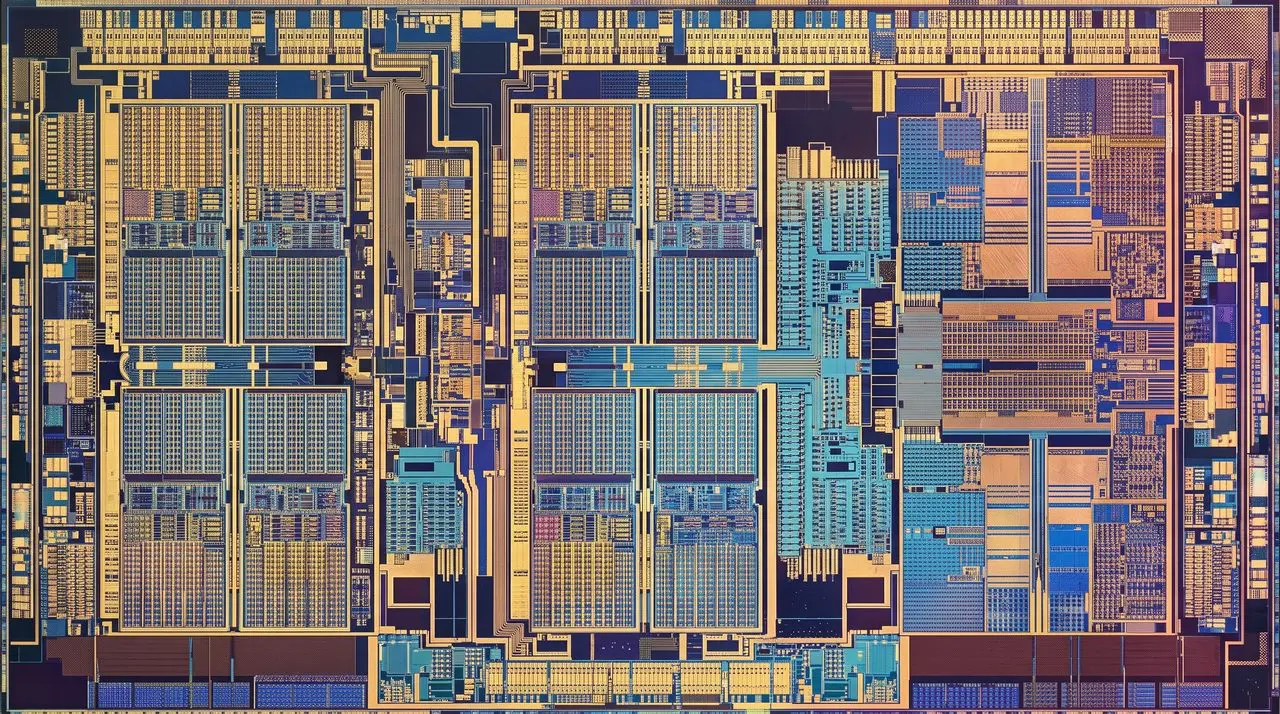
OpenLight’s photonic Process Design Kit is now available within Cadence’s electronic design automation tools, specifically for use with Tower Semiconductor’s PH18DA indium phosphide-on-silicon photonics platform. This integration enables the development of photonic integrated circuits, or PICs, that consolidate active components like lasers, modulators, and amplifiers into a single monolithic chip.
“By making our PDK available on Cadence tools, we enable customers to design photonic integrated circuits within the same environment they rely on for advanced IC development,” said Dr. Adam Carter, CEO at OpenLight. “This integration simplifies adoption and strengthens the path from design to production on the PH18DA platform.”
OpenLight’s PDK Integrates with Cadence Tools for PH18DA Platform
This advancement streamlines the creation of complex optical systems for applications ranging from optical interconnects to artificial intelligence infrastructure and advanced sensing technologies. The integration signifies a move toward consolidating functionality and reducing the physical footprint of photonic circuits, a critical step for high-bandwidth data transmission and processing.
The collaborative effort between OpenLight, Tower Semiconductor, and Cadence has resulted in a design environment where customers can leverage existing electronic IC workflows for photonic IC development. Designs utilizing OpenLight’s PDK are specifically tailored for fabrication on Tower’s PH18DA indium phosphide on silicon photonics platform, offering a dedicated manufacturing pathway.
Beyond simplifying the design process, this integration aims to improve the performance, power efficiency, and scalability of near- and co-packaged optics solutions. “This approach enables customers to streamline development of 400G and 1.6T laser-integrated photonic integrated circuits, while achieving co-optimized PIC and EIC designs,” said Dr. Samir Chaudhry, Vice President of Customer Design Enablement and Reliability at Tower Semiconductor.
Cadence also highlighted the significance of introducing integrated active devices for high-performance designs; Gilles Lamant, Distinguished Engineer at Cadence, stated, “Adding the OpenLight PDK PH18DA manufactured by Tower Semiconductor to the portfolio of photonics processes supported by the Cadence Photonics ecosystem is a key milestone because it marks the introduction of integrated active devices for high-performance, co-optimized electro-optical designs.” The combined expertise of these companies is intended to create a more robust and efficient ecosystem for the development and manufacturing of advanced photonic ICs, ultimately accelerating innovation in the field.
By making our PDK available on Cadence tools, we enable customers to design photonic integrated circuits within the same environment they rely on for advanced IC development.
Dr. Adam Carter, CEO at OpenLight



See today’s quantum computing news on Quantum Zeitgeist for the latest breakthroughs in qubits, hardware, algorithms, and industry deals.