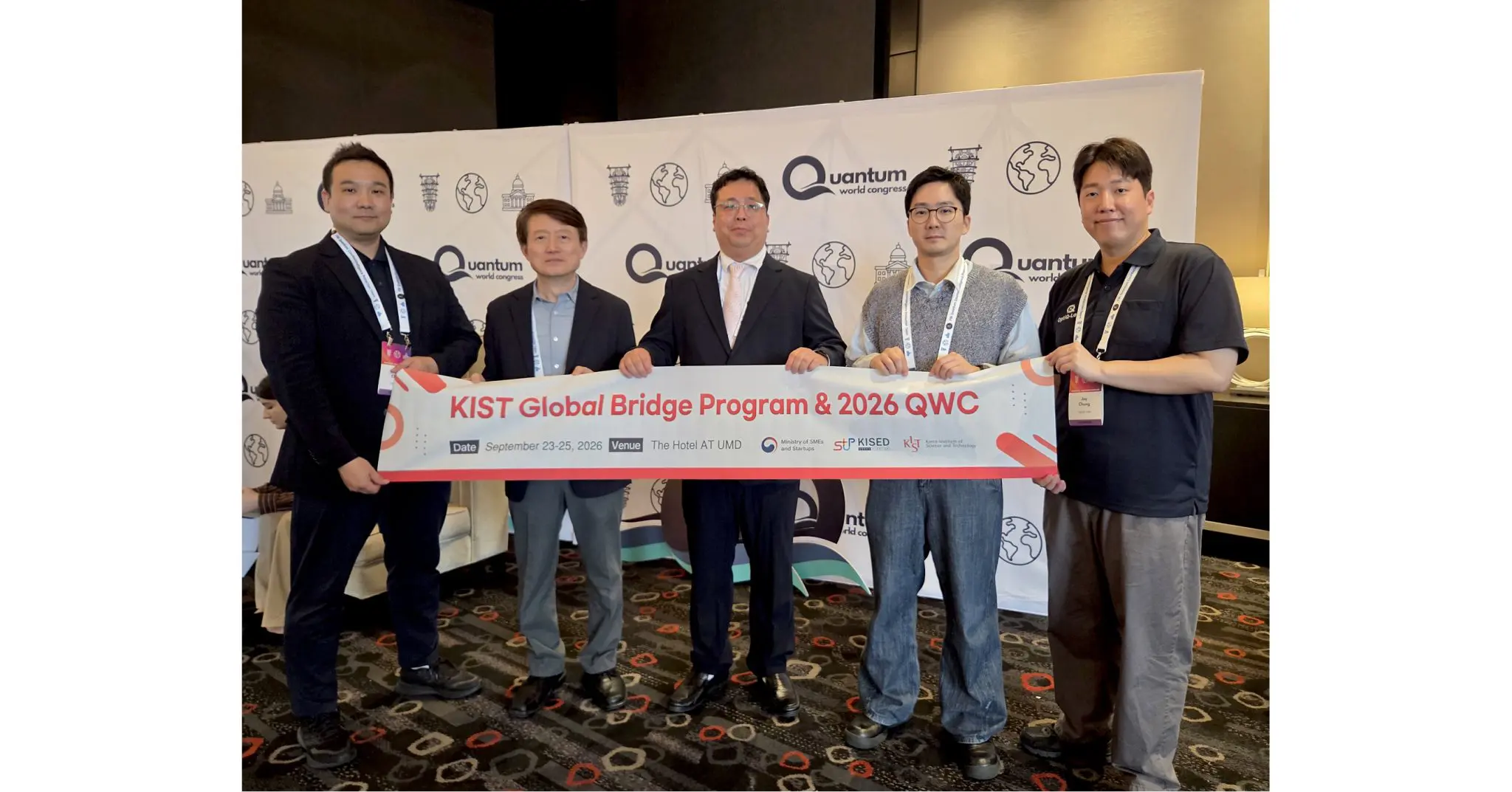
A delegation led by the Korea Institute of Science and Technology (KIST) has forged strategic ties with quantum computing leaders D-Wave and Microsoft, alongside Japan’s AIST, signaling a major step in the global expansion of South Korean quantum startups. KIST spearheaded the initiative through its Global Bridge Program, jointly planned with the U.S. Embassy in Korea, to connect emerging companies with international partners and investors.
This effort, operating under South Korea’s Deeptech Incubator Project, has already yielded results with OptiQ-Labs planning a U.S. East Coast office this November. “International engagement needs to go beyond individual events and lead to continued collaboration,” emphasized Dr. Kang Sunjoon, Director of KIST’s Technology Commercialization Office.
KIST Global Bridge Program Connects Startups with D-Wave, Microsoft, and AIST
OptiQ-Labs will open a United States East Coast office in November, marking the first time a quantum startup supported by South Korea’s Deeptech Incubator Project has established a physical regional presence in the eastern United States. KIST’s initiative directly connects emerging Korean companies with infrastructure and potential partners in key international markets, accelerating their commercialization timelines. The program operates under the oversight of the Ministry of SMEs and Startups and the Korea Institute of Startup & Entrepreneurship Development, demonstrating a national commitment to encouraging quantum technology innovation.
Beyond OptiQ-Labs’ impending U.S. launch, KIST brokered access for Korean startups to D-Wave’s quantum computing systems, allowing for direct testing and development on advanced quantum hardware. This access is particularly significant given KIST’s role as the lead organization for the quantum technology sector within the Deeptech Incubator Project.
The Institute also initiated conversations with Japan’s Q-STAR and the National Institute of Advanced Industrial Science and Technology (AIST), aiming to strengthen the bilateral quantum technology ecosystem between Korea and Japan. These discussions focused on collaborative research opportunities and potential joint ventures, building upon KIST’s existing partnerships with institutions like Samsung and KAIST in quantum materials and device fabrication. KIST’s long-standing collaboration with KAIST, dating back to 2020, has focused on quantum computing and quantum sensing research, further solidifying South Korea’s position in the field.
KIST further facilitated exchanges between Microsoft and startups participating in the Deeptech Incubator Project, with the goal of establishing long-term enterprise collaborations. This strategic alignment with a global technology leader is expected to unlock significant investment and market opportunities for Korean quantum ventures. KIST’s commitment extends beyond initial connections, with plans to systematically integrate Korean quantum technologies into global research, industrial and investment networks.
Established in 1966 and headquartered in Seoul, KIST develops superconducting qubits, NV-centre quantum sensors and quantum photonics hardware as part of South Korea’s national quantum strategy. The Institute’s quantum photonics group is actively developing quantum random number generators and quantum key distribution hardware, intended for deployment in South Korean financial and government security infrastructure. This focus on practical applications emphasises KIST’s commitment to translating research into tangible benefits for both the public and private sectors.
KIST’s recent establishment of a permanent U.S. base in Boston, opening in March 2026 with a 2 billion won annual budget, further demonstrates its dedication to supporting international partnerships and driving innovation in advanced bio, artificial intelligence and quantum technology, D-Wave says.
“Building on the connections established through QWC 2026, KIST will continue to support Korean quantum startups in developing technology partnerships, expanding into global markets and creating concrete commercialization opportunities.” KIST’s complex approach, connecting startups with hardware access, supporting international collaborations and establishing a physical presence in key markets, positions South Korea as a rising force in the global quantum technology landscape.
International engagement needs to go beyond individual events and lead to continued collaboration with overseas research institutions, companies and investors.
Dr. Kang Sunjoon, Director of KIST’s Technology Commercialization Office and head of the Deeptech Incubator Project

See today’s quantum computing news on Quantum Zeitgeist for the latest breakthroughs in qubits, hardware, algorithms, and industry deals.