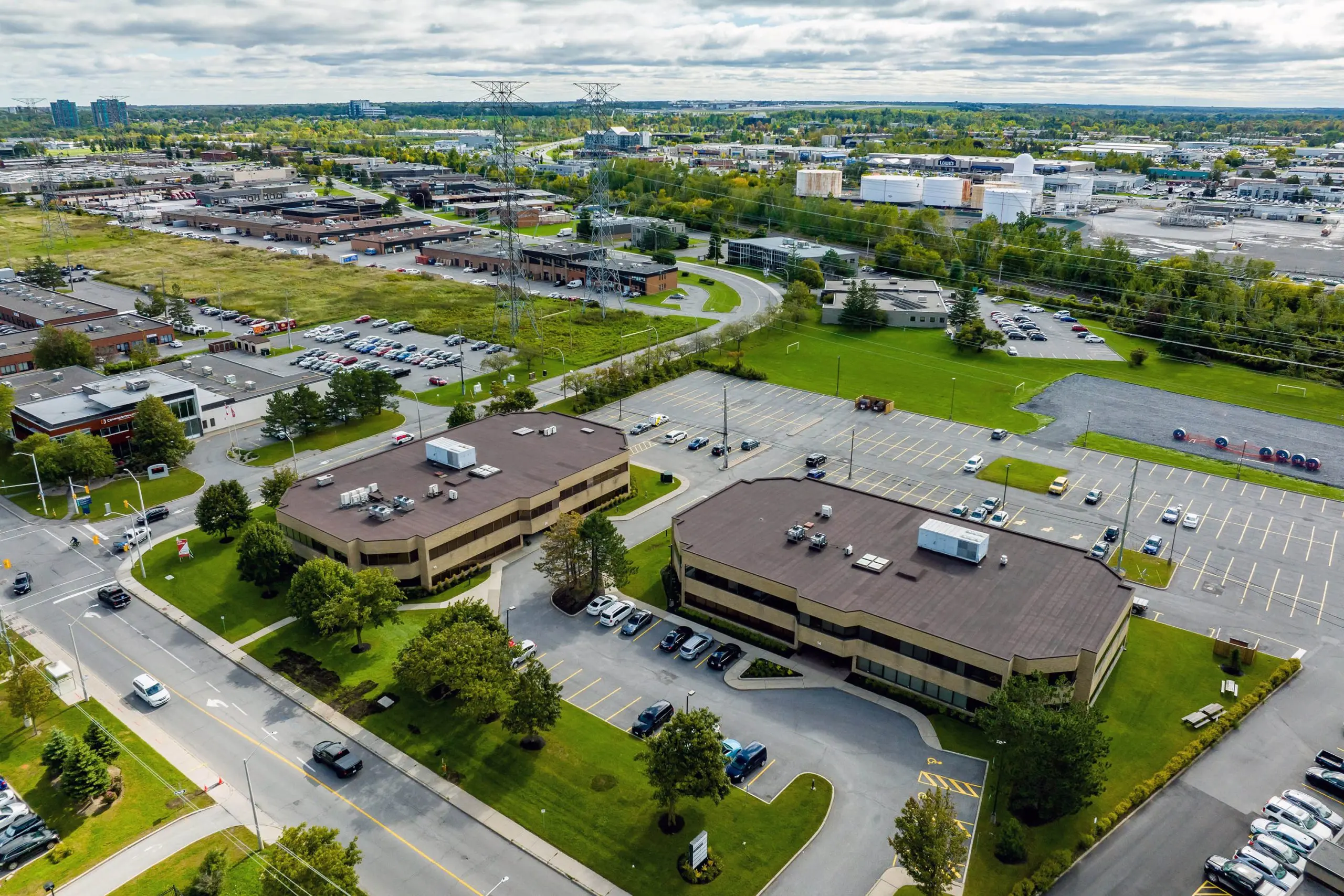
Q-Block Computing is establishing its headquarters at 20 Colonnade Road in Ottawa, a tangible investment in the people, infrastructure, and expertise needed to grow Canadian quantum capabilities. The company designs and manufactures three quantum platforms, AllanQ, LuciaQ and PolarisQ, targeting applications in defence, security and critical infrastructure, Ottawa says.
Kyung Choi, Co-founder and CEO of Q-Block Computing, states, “Q-Block Computing is proud of the systems we are delivering today, and fundamental research remains central to our future direction.” This expansion complements Q-Block’s existing manufacturing operations in Alberta, creating an integrated foundation to turn discovery into deployment.
Ottawa Headquarters Expand Canadian Quantum Research & Manufacturing
This location will house specialized teams focused on advancing quantum research, engineering capabilities and the creation of deployable technologies, complementing existing manufacturing operations in Alberta. Q-Block Computing intends the facility to support recruitment of leading scientists and engineers and to deepen research programs, solidifying a national footprint for quantum innovation. This expansion strategically positions Q-Block within Ottawa’s established technology sector and near key national institutions, including organizations within the defence community.
Q-Block Computing views the Ottawa headquarters as integral to building sovereign quantum technologies within Canada. By integrating research and engineering in Ottawa with production facilities elsewhere, the company aims to create a complete cycle from scientific discovery to practical application, according to the company. The company will continue to forge long-term partnerships with research institutions, government and industry, both in Ottawa and across the country, with specific collaborations to be announced as finalized. This distributed approach to research, development, and manufacturing is designed to establish a robust and sustainable foundation for Canada’s quantum future.



See today’s quantum computing news on Quantum Zeitgeist for the latest breakthroughs in qubits, hardware, algorithms, and industry deals.