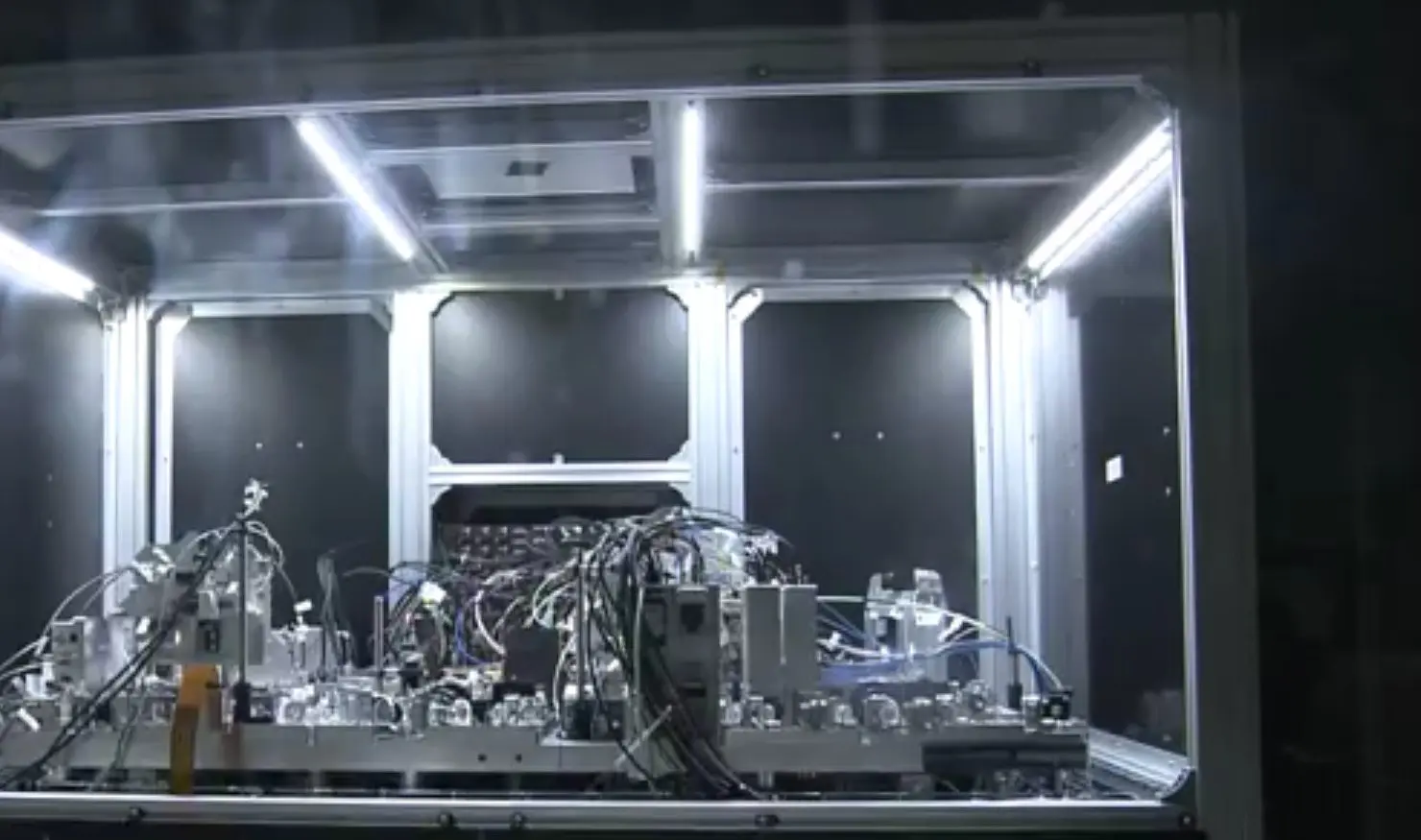
Aichi Prefecture is now home to Japan’s first neutral-atom quantum computer, a development led by researchers at the Institute for Molecular Science. Unlike many quantum computers that require extensive cooling, this model reportedly operates at room temperatures, potentially enabling more compact and practical designs. Professor Ohmori Kenji, who leads the research team, states that they aim to create a system faster and more useful than supercomputers in tackling specific social problems, with the ultimate goal of replacing existing computing infrastructure. The system currently performs basic calculations as researchers focus on ensuring stability for larger-scale operations.
Lasers Trap Neutral Atoms in Japan’s First Quantum Computer
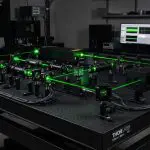
Lasers maintain the quantum state within Japan’s newly operational neutral-atom computer, a system developed by a collaboration including the Institute for Molecular Science in Aichi Prefecture. This approach traps uncharged atoms within a vacuum chamber using precisely directed laser beams, establishing the qubits necessary for quantum computation. This initial system represents a step toward that goal, establishing a functional platform for further development and refinement of neutral-atom quantum technology.
We want to create a system that’s faster and more useful than supercomputers in tackling specific social problems.
Ohmori Kenji, Professor at the Institute for Molecular Science


See today’s quantum computing news on Quantum Zeitgeist for the latest breakthroughs in qubits, hardware, algorithms, and industry deals.