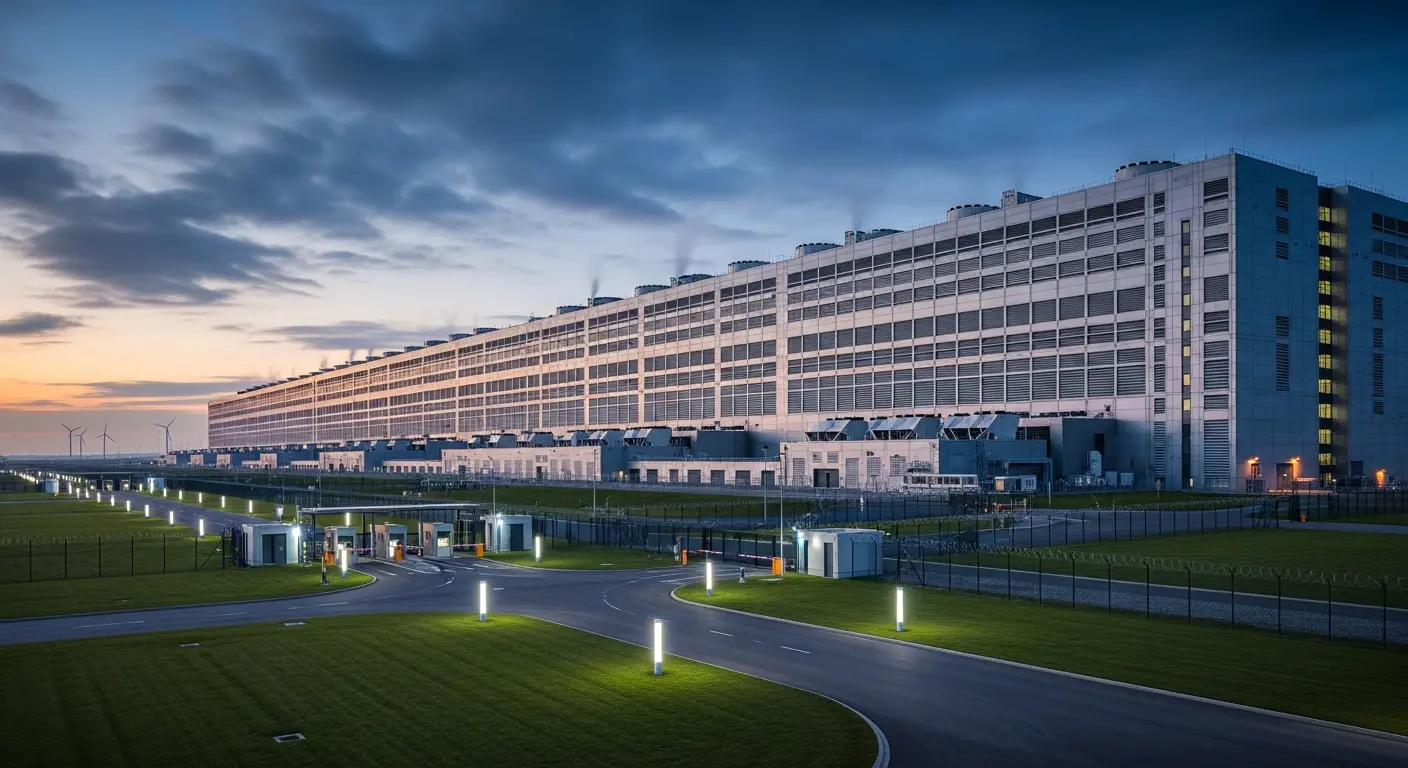
Elon Musk’s SpaceX is providing 300 megawatts of compute power, equivalent to the energy needed for tens of thousands of homes, to Anthropic, a surprising move prioritizing revenue over potential competitive advantage. The deal grants Anthropic access to over 222,000 Nvidia GPUs, including the H100, H200, and GB200 chips, dramatically increasing its capacity for artificial intelligence development. Anthropic is already translating this increased power into benefits for its paid subscribers, with doubled five-hour rate limits for Claude Code and the removal of peak hour reductions for Pro and Max tiers. Musk confirmed the agreement, stating that he found no concerning signals after meeting with Anthropic’s leadership to assess the company’s alignment with human values.
SpaceX Leases 222,000 Nvidia GPUs to Anthropic
SpaceX is supplying a substantial portion of its computing infrastructure to a direct competitor in the artificial intelligence field; the company has leased access to 222,000 Nvidia GPUs and over 300 megawatts of compute power to Anthropic. This decision, while unexpected given Elon Musk’s founding of xAI, underscores a strategic prioritization of revenue generation and efficient resource allocation as it shifts focus to building Colossus 2. The scale of this agreement is considerable, encompassing powerful H100, H200, and GB200 accelerator systems, and highlights the intense demand for specialized hardware driving the current AI development. Beyond this immediate benefit, the company has also removed peak hour limitations for Pro and Max users and considerably raised API rate limits for Claude Opus models, allowing developers greater access to the system.
This move aligns with Anthropic’s broader strategy of expanding capacity through partnerships with major players like Amazon, Google, and Microsoft, aiming for gigawatt-scale infrastructure. Anthropic is also looking beyond simply increasing raw processing power, with plans to deploy future infrastructure in international regions like Europe and Asia to address data residency requirements and prioritize partnerships with politically stable, democratic countries.
Claude Updates: Increased Rate Limits & API Access
Computational demand is rapidly increasing in the artificial intelligence industry, with companies competing for access to increasingly powerful hardware; this competition is now manifesting in unexpected business arrangements. This decision, while unexpected, underscores the significant financial incentives driving the AI race and the potential for even rivals to capitalize on existing infrastructure. This substantial increase in resources is already translating into tangible benefits for users of Anthropic’s Claude models. Following the SpaceX agreement, Claude Code’s five-hour rate limits have doubled for all paid subscription tiers, Pro, Max, Team, and Enterprise, allowing for more extensive and complex coding tasks. Anthropic also removed the peak hours limit reduction for Pro and Max subscribers, ensuring consistent performance regardless of demand. Anthropic’s strategy extends beyond simply acquiring more processing power, as the company is actively pursuing partnerships to establish multiple gigawatts of orbital AI compute capacity, essentially data centers in space, recognizing the limitations of terrestrial resources.
considerably raised the API rate limits, the volume of requests developers can make, for Claude Opus models.
Anthropic
Anthropic’s Expansion: Global Infrastructure & Data Security
Anthropic is aggressively pursuing a multi-faceted infrastructure strategy, extending beyond simply acquiring raw compute power to address emerging challenges in data security and global accessibility. Anthropic signaled that future deployments will increasingly target international regions, such as Europe and Asia, to meet growing enterprise demand for local data residency and regulatory compliance, particularly in sectors like healthcare, finance, and government. This emphasis on geographical distribution reflects a growing awareness of data sovereignty concerns and the need to operate within diverse legal frameworks. The partnership with SpaceX also hints at a longer-term vision involving orbital data centers, acknowledging that “The compute required to train and operate the next generation of these systems is outpacing what terrestrial power, land, and cooling can deliver on the timelines that matter.” This ambition underscores the limitations of current infrastructure and the potential for space-based solutions to alleviate those constraints. Anthropic is prioritizing politically stable, democratic countries with secure AI supply chains, and is exploring ways to offset increases in electricity costs and reinvest in communities hosting the data centers, demonstrating a commitment to responsible AI development and sustainable practices.
The compute required to train and operate the next generation of these systems is outpacing what terrestrial power, land, and cooling can deliver on the timelines that matter.
SpaceX
Anthropic is extending Claude’s capabilities beyond immediate task completion with a new feature called ‘dreaming’, designed to foster continuous self-improvement in its AI agents. This internal process allows Claude to analyze past interactions, pinpoint recurring errors, and restructure its memory files containing user preferences and contextual data; effectively, the system learns and refines its behavior across sessions rather than resetting with each new prompt.
orbiting data centers ‘ridiculous’ for now Anthropic promises to pay for electricity price increases due to it’s AI data centers OpenAI has effectively abandoned first-party Stargate data centers in favor of more flexible deals Latest Videos From The Colossus 1 deal means that the whole first-generation cluster, originally built to power xAI’s own Grok models, is now powering one of its direct AI rivals, as the company focuses on building Colossus 2 .



See today’s quantum computing news on Quantum Zeitgeist for the latest breakthroughs in qubits, hardware, algorithms, and industry deals.