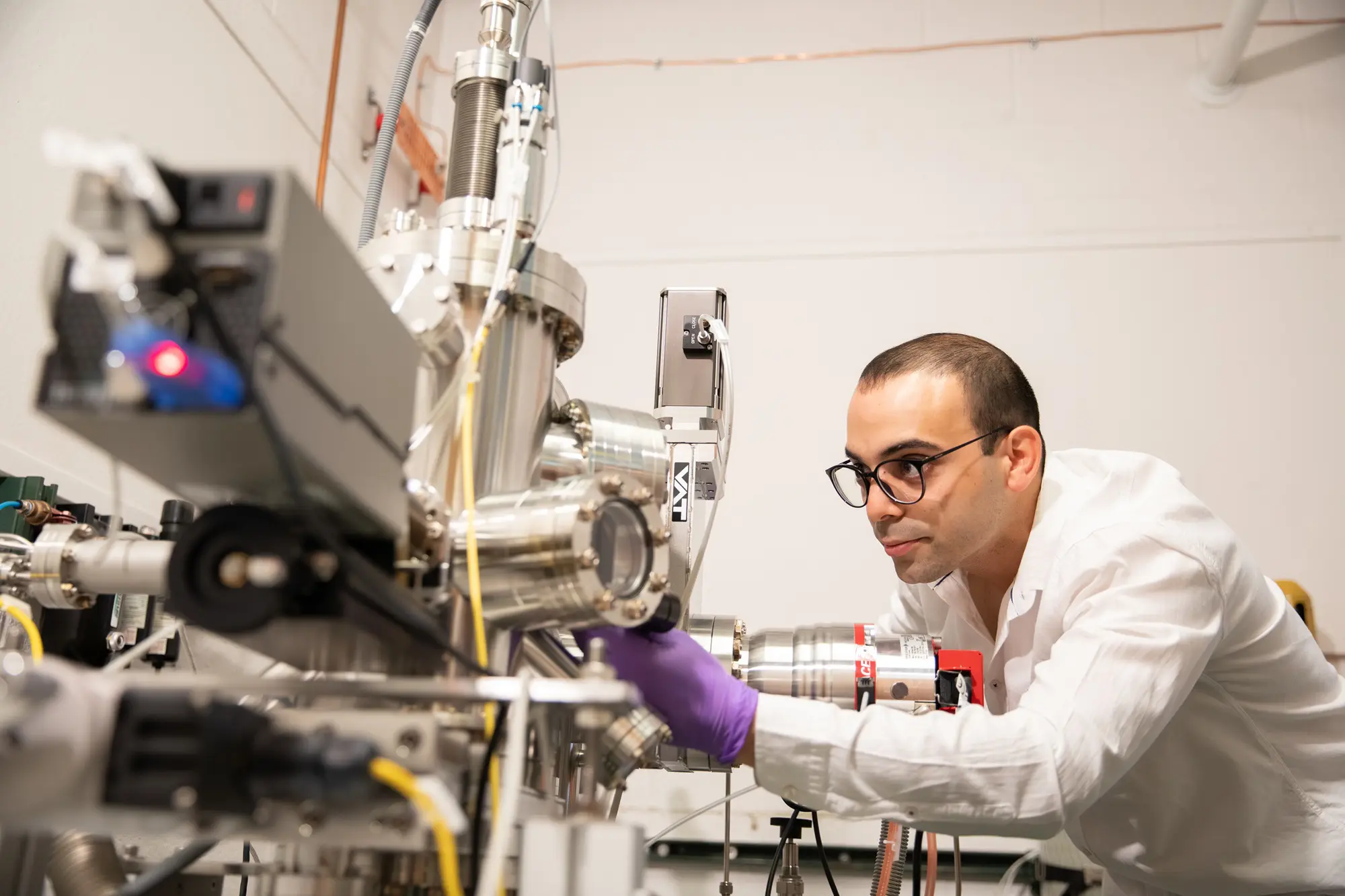
University of Arizona researchers have demonstrated that graphene nanoribbons (GNRs) maintain functionality even after exposure to intense gamma radiation, a key step toward directly monitoring the extreme conditions within fusion reactors. Published in ACS Applied Materials & Interfaces, the findings detail how these nanoscale semiconductors could be integrated into devices functioning as radiation sensors for both fusion energy development and deep space exploration. Unlike traditional silicon-based sensors which degrade under such conditions, the GNRs exhibited a measurable change in electrical performance while surviving the radiation. “The devices survive the exposure and still respond, but their electrical performance changes dramatically,” said principal investigator Zafer Mutlu, University of Arizona assistant professor of materials science and engineering. This ability to monitor the “first wall” of a fusion reactor in real-time could reduce costly shutdowns and increase operational efficiency.
Graphene Nanoribbons Demonstrate Radiation Sensing in Fusion Environments
Graphene nanoribbons exhibit resilience to gamma radiation; rather than failing, their electrical performance changes, a characteristic University of Arizona researchers specifically sought for sensor applications. The team synthesized graphene nanoribbons measuring nine atoms wide, one atom thick, and approximately 45 nanometers long, and embedded them within standard semiconductor devices before exposing them to gamma radiation. This is crucial because existing silicon-based sensors degrade under such intense conditions, necessitating indirect measurements or post-shutdown inspections of the reactor’s first wall, a component that gradually deteriorates under radiation. Researchers theorize the observed electrical changes stem from a quantum effect called Anderson localization, triggered by reactive molecules altering the ribbon edges without compromising the overall structure; at this scale, even subtle changes significantly impact electrical signal transport.
This capability promises real-time monitoring of reactor conditions, potentially reducing costly shutdowns and extending operational lifespan, and could also provide vital state-of-health data for satellites and deep-space probes facing similar radiation challenges. Mutlu’s group is now investigating the ribbons’ response to varying radiation doses and exploring different ribbon sizes to further refine their sensitivity and performance.
The devices survive the exposure and still respond, but their electrical performance changes dramatically.
University of Arizona researchers are refining the fabrication of graphene nanoribbons (GNRs) with dimensions reaching nine atoms wide and just one atom thick, a development that could enhance radiation sensing capabilities for extreme environments. The team detailed their process in a study published in ACS Applied Materials & Interfaces demonstrating integration of the GNRs into semiconductor devices for testing. This precise control over atomic structure allows for customization of material properties, a key advantage for applications demanding resilience in harsh conditions. “You can design the material atom by atom, molecule by molecule. You can make it less sensitive, more sensitive, non-sensitive,” Mutlu explained, highlighting the potential for tailoring GNRs to specific sensor requirements. Researchers, including postdoctoral researcher Kentaro Yumigeta and doctoral student Muhammed Yusufoglu, utilized these techniques to create ribbons exhibiting unique quantum properties; current flow is well-defined in the absence of radiation, but subtly altered by gamma exposure.
You can design the material atom by atom, molecule by molecule. You can make it less sensitive, more sensitive, non-sensitive.
Zafer Mutlu, University of Arizona assistant professor of materials science and engineering in the College of Engineering
Researchers at the University of Arizona are exploring how graphene nanoribbons (GNRs) respond to extreme conditions, with recent work published in ACS Applied Materials & Interfaces detailing their surprising resilience to gamma radiation. The researchers propose that the radiation creates reactive molecules that, at the nanoscale, significantly impact electrical signal transport. These GNR-based sensors could offer real-time monitoring of the “first wall” within fusion reactors, a critical component that currently requires periodic shutdowns for inspection due to radiation damage. Existing sensors must be placed outside this barrier, relying on indirect measurements; GNRs could potentially operate much closer to the reactor core, minimizing downtime. Beyond fusion, the team anticipates applications in deep space, where monitoring radiation-induced wear in satellites and probes is crucial.
Real-time monitoring is our vision for this project.
Zafer Mutlu, University of Arizona assistant professor of materials science and engineering in the College of Engineering
The pursuit of viable fusion energy took a step forward with the demonstration of graphene nanoribbons (GNRs) as durable, real-time radiation sensors. This capability stems from quantum effects amplified at the nanoscale, specifically a phenomenon called Anderson localization, which traps electrons and reduces current, signaling radiation exposure. Researchers propose this could provide more precise data for reactor maintenance planning, potentially minimizing downtime and maximizing operational efficiency. Beyond fusion, these GNR sensors offer benefits for deep space exploration, enabling state-of-health data for satellites and probes.



See today’s quantum computing news on Quantum Zeitgeist for the latest breakthroughs in qubits, hardware, algorithms, and industry deals.