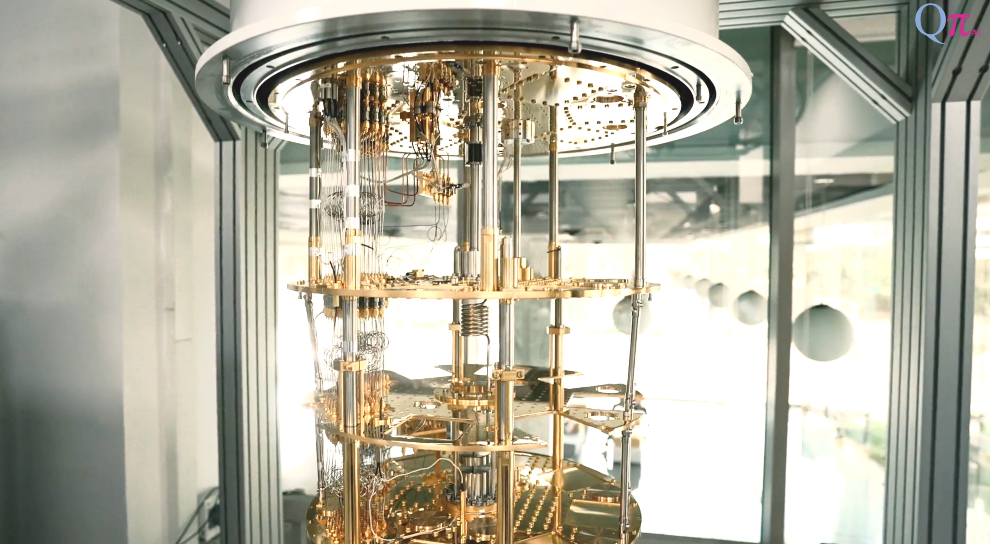
QpiAI has released its Quantum SDK as open-source software, immediately providing developers with a pathway to run algorithms on the company’s 8-qubit and 25-qubit quantum computers via QpiAI-QCloud. The Python-based toolkit includes both local state-vector and density matrix simulators, allowing for algorithm prototyping and validation before utilizing actual quantum hardware. This move is designed to expand access to quantum software development for a global audience, fostering innovation across industries like finance, logistics, and artificial intelligence. “Quantum computing will scale only when developers can experiment, learn, and deploy without friction,” said Lakshya Priyadarshi, VP, Quantum Platforms & Solutions, QpiAI, emphasizing the SDK’s role as a bridge between theory and real-world application.
QpiAI Quantum SDK Enables Algorithm Development and Hardware Access
QpiAI has empowered developers with direct access to quantum hardware through the open-sourcing of its Quantum SDK, a move that bypasses the typical limitations of simulation-only environments and facilitates real-world algorithm testing. The Python-based toolkit is now freely available at https://github.com/qpiai/quantum-sdk and allows users to deploy algorithms on QpiAI’s 8-qubit and 25-qubit quantum computers via the QpiAI-QCloud platform at https://qcloud.qpiai.tech, representing a significant step toward democratizing access to quantum resources. This release isn’t merely about providing software; it’s about establishing a tangible connection between theoretical development and practical execution, crucial for accelerating progress in the field. QpiAI intends this release to broaden participation in quantum software development, targeting developers, researchers, universities, startups, and enterprise innovation teams globally.
This dual approach is designed to optimize the development lifecycle, allowing for rapid iteration and refinement of quantum solutions. The toolkit is engineered to support AI-assisted and agentic development workflows, streamlining the process of moving from initial concept to functional quantum applications. QpiAI is actively promoting the SDK’s integration into academic settings, envisioning its use in coursework, research labs, hackathons, and developer training programs, and offering preferential commercial terms to early institutional adopters through the QpiAI Academic & Innovation Network. The release of the QpiAI Quantum SDK aligns with broader national initiatives, specifically complementing the goals of India’s National Quantum Mission and bolstering the country’s emerging quantum technology ecosystem. “India is entering a defining decade for quantum technologies, and open-source software will be critical to building the talent, research, and innovation base that national leadership requires,” said Dr. Nagendra Nagaraja, Founder and CEO, QpiAI.
India is entering a defining decade for quantum technologies, and open-source software will be critical to building the talent, research, and innovation base that national leadership requires.
Dr. Nagendra Nagaraja, Founder and CEO, QpiAI