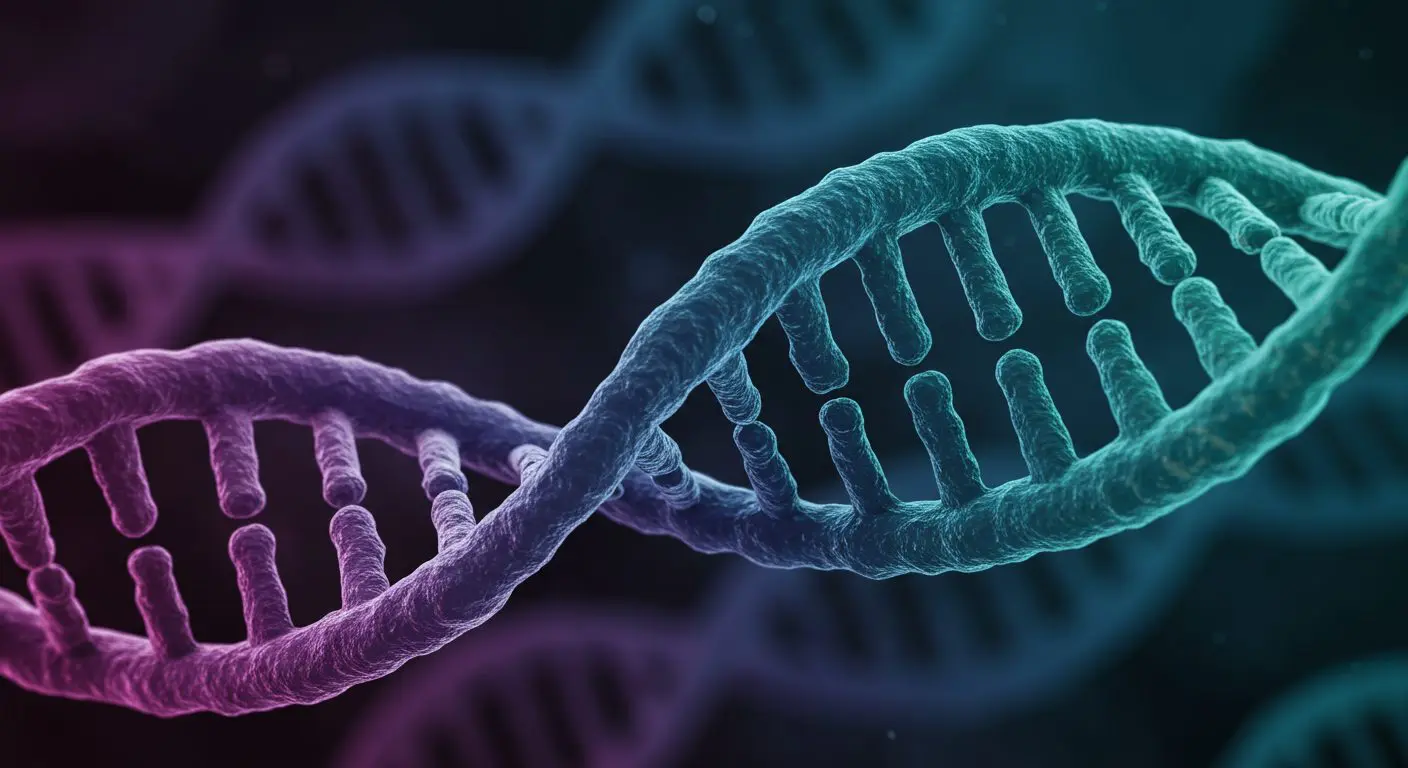
Researchers at Nanyang Technological University, Singapore, and the University of Oxford have detailed how the enzyme SPRTN identifies and repairs DNA-protein crosslinks (DPCs), a form of DNA damage linked to cancer and ageing. Published on July 21, 2025, in Nucleic Acids Research, the study reveals SPRTN’s ability to target DPCs is enhanced by recognising ubiquitin chains, increasing repair activity 67-fold. This discovery clarifies the mechanism behind SPRTN’s specificity and offers potential avenues for overcoming chemotherapy resistance and addressing the genetic disorder Ruijs-Aalfs syndrome, which results from SPRTN gene mutations.
Therapeutic Implications for Cancer and Ageing
Mutations in the SPRTN gene cause Ruijs-Aalfs syndrome (RJALS), a rare condition characterised by chromosomal instability, premature ageing, and an increased risk of early-onset liver cancer, thereby establishing a clear link between deficient DPC repair and pathological outcomes. Understanding SPRTN’s recognition mechanism provides essential insights into cellular defence mechanisms and how defects in DPC repair can contribute to disease development. Furthermore, the research indicates that some cancer patients exhibit resistance to chemotherapy that induces DPCs, suggesting a potential clinical relevance to manipulating these repair pathways.
The findings suggest that manipulating ubiquitin pathways – potentially with anti-ubiquitin antibodies or ubiquitin-proteasome inhibitors like bortezomib – could overcome chemotherapy resistance in certain cancer patients. SPRTN’s activity is demonstrably enhanced by the presence of ubiquitin chains on DPC lesions, and altering these chains could modulate the enzyme’s effectiveness. Ongoing research, including studies in zebrafish, mouse models, and human tissues, aims to validate these findings and explore the potential of strengthening DNA repair mechanisms.
Research Methodology and Future Directions
The research team discovered a novel region within SPRTN that selectively targets DPC lesions, increasing its repair activity 67-fold without affecting surrounding structures, demonstrating a significant enhancement of its function. This region detects chains of ubiquitin – small tags that modify protein function – which are abundant on DPC lesions, guiding SPRTN directly to the lesions and triggering the increase in repair activity. Notably, longer ubiquitin chains accelerate the repair process more effectively than shorter ones, allowing SPRTN to act swiftly on DPCs while sparing other proteins.
Ongoing research, including studies in zebrafish, mouse models, and human tissues, aims to validate these findings and explore the potential of strengthening DNA repair mechanisms. This work could revolutionise our understanding of ageing and cancer, and identify novel therapeutic interventions, building upon the experimental research conducted on cells and published on July 21, 2025, in Nucleic Acids Research. The study was conducted without any reported competing interests from the authors.
More information
External Link: Click Here For More


See today’s quantum computing news on Quantum Zeitgeist for the latest breakthroughs in qubits, hardware, algorithms, and industry deals.