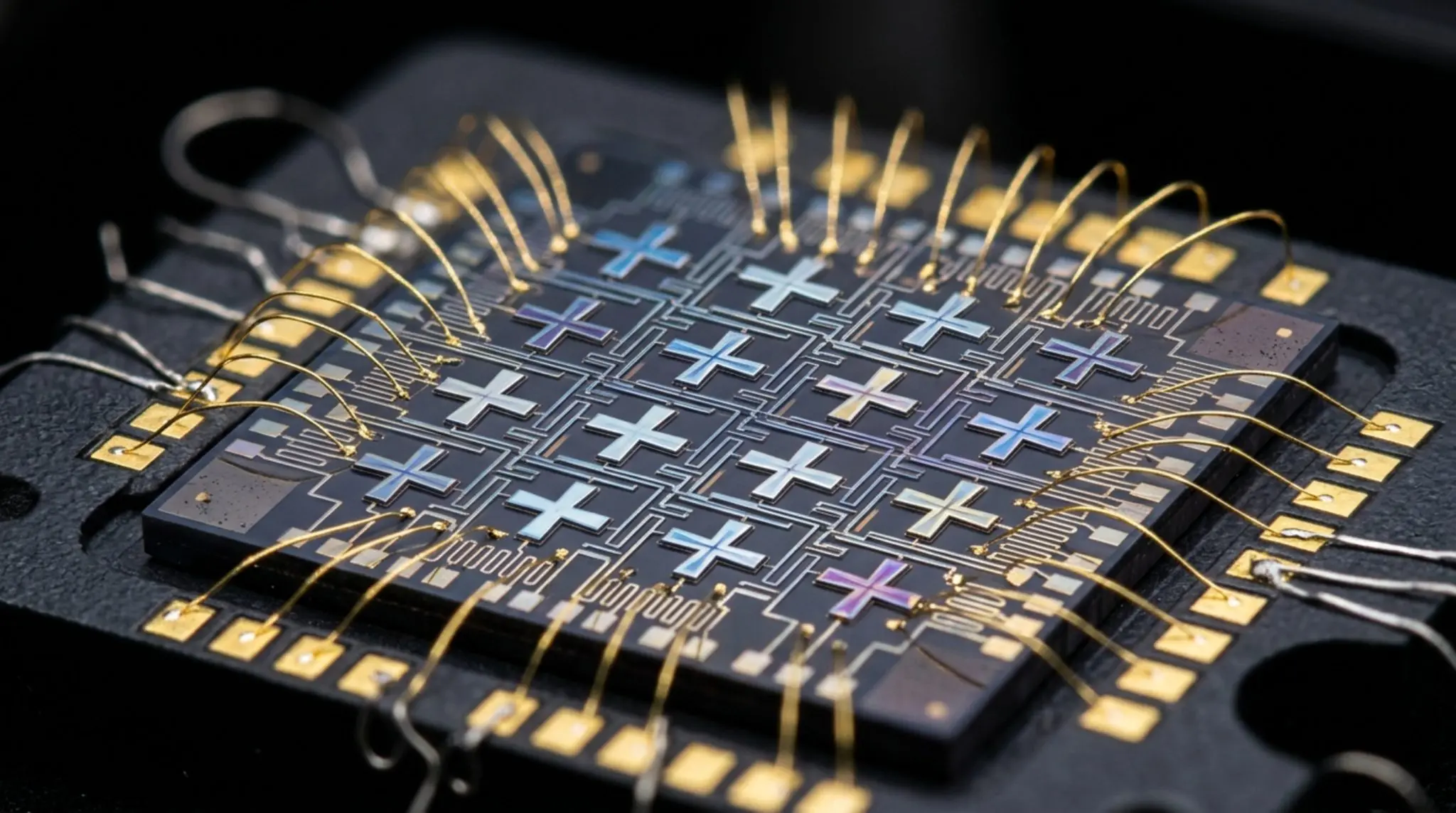
IBM expects its computer to achieve 100 million quantum operations by 2029, a performance level the company says will deliver greater computational capability than current systems. This ambition received a boost with the completed acquisition of HRL Laboratories, uniting expertise in both superconducting and silicon-spin qubits. HRL also contributes capabilities spanning quantum sensing, cryogenics, and advanced manufacturing, strengthening IBM’s approach to building a complete quantum technology stack.
HRL Acquisition Expands IBM’s Quantum Computing and Sensing Expertise
IBM’s acquisition of HRL Laboratories introduces silicon-spin qubit technology, expanding the company’s existing focus on superconducting quantum computing. This addition diversifies IBM’s hardware approach, potentially accelerating progress toward more versatile quantum systems. The broadened expertise is expected to bolster IBM’s quantum hardware roadmap and its plans for the computer. HRL’s proficiency in silicon-based quantum technologies offers opportunities for collaboration with Anderson, IBM’s dedicated quantum wafer foundry.
Boeing and General Motors, previous owners of HRL, will maintain partnerships with IBM and HRL, continuing to explore quantum applications and advanced technology development, the company says. This acquisition signals IBM’s commitment to scalable manufacturing approaches and faster learning cycles across multiple quantum computing modalities.




See today’s quantum computing news on Quantum Zeitgeist for the latest breakthroughs in qubits, hardware, algorithms, and industry deals.