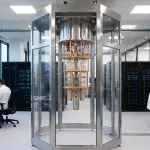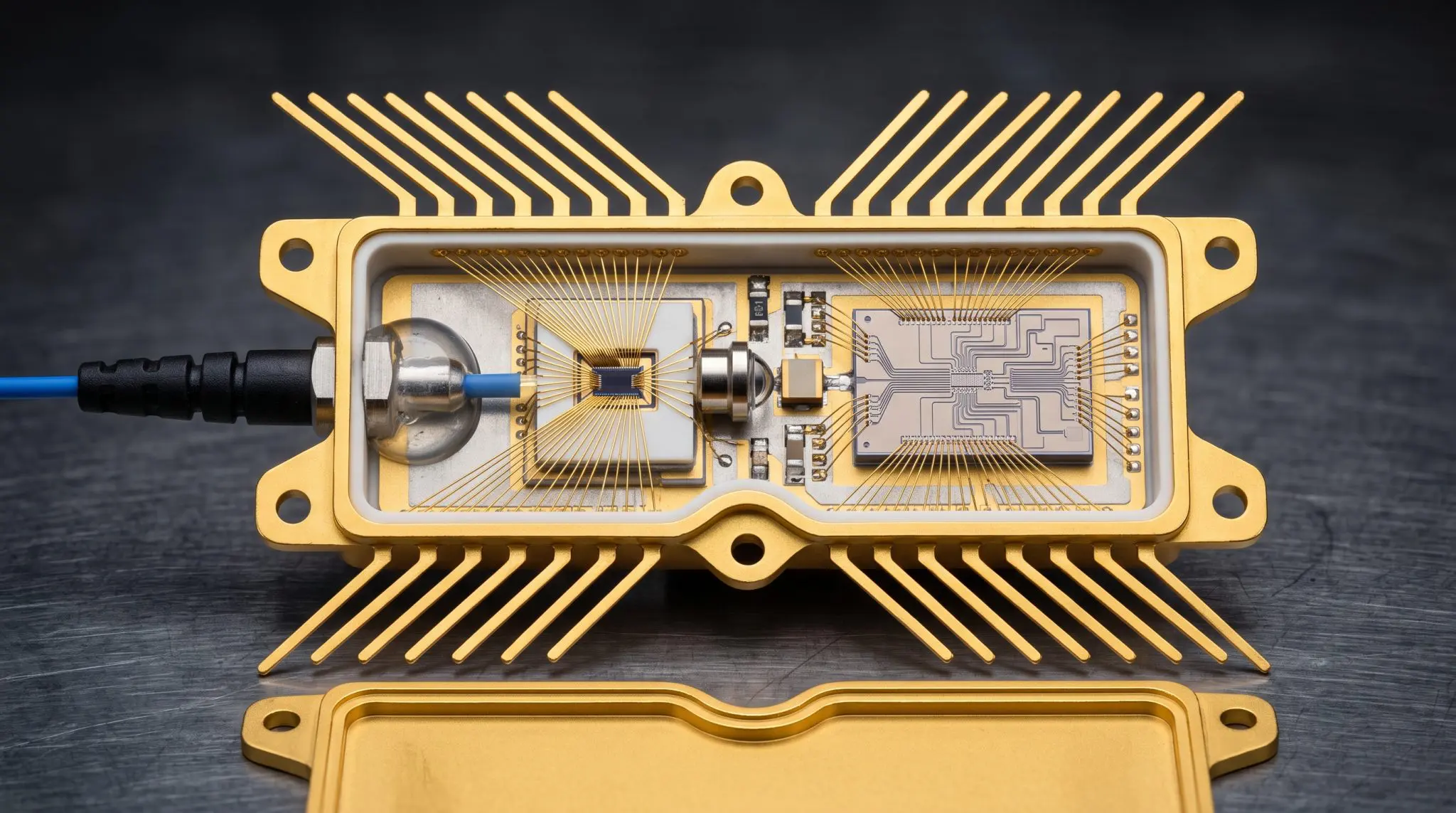
Xanadu Quantum Technologies and Bluefors are collaborating to develop a new cryogenic prototype with a multi-million dollar investment, aiming to redefine infrastructure for utility-scale quantum computing. The partnership seeks to move beyond the expectation of massive, industrial cryoplants, instead integrating Bluefors’ advanced technology into a compact module expected to improve scalability and economics.
“Until recently, the industry assumed that USQC would require massive, industrial-scale cryoplants,” said Dr. Christian Weedbrook, Founder and Chief Executive Officer of Xanadu. This work intends to establish a blueprint for Xanadu’s future data center and potentially for the field as a whole.
Modular Cryo-Modules for Scalable Utility-Scale Quantum Computing
The collaboration centers on a USD $ multi-million investment to prototype a cryogenic module designed to bypass conventional, large-scale cryoplant requirements for utility-scale quantum computing. This module integrates Bluefors’ cooling technology into a compact unit, a departure from the previously held industry expectation of massive industrial facilities needed to support quantum processors.
Kim Povlsen, Chief Executive Officer of Bluefors, stated, “We are delivering a high-powered, modular and cryo-tested solution that combines cooling and quantum infrastructure designed to grow alongside our customers’ technology roadmaps.” This focus on modularity aims to address the scalability challenges inherent in building and maintaining expansive cryogenic systems. Bluefors, founded in 2008 and now employing approximately 700 people, has established itself as a key provider of dilution refrigerators, essential for achieving the millikelvin temperatures required by superconducting quantum systems.
Bluefors launched its Modular Cryogenic Platform in March 2026, capable of housing up to 800 kg of payload and offering up to 32 side-loading wiring ports, the company says. The prototype developed through this partnership is not solely intended for future data centers; the companies envision it as a blueprint for broader adoption within the field. “We share a vision of making utility-scale quantum computing achievable,” added Povlsen.
The design prioritizes scalability and economic viability, aiming to optimize the time-to-value for quantum computing investments and lay a strong foundation for the development of fault-tolerant quantum computers. Xanadu anticipates that this approach will significantly reduce the infrastructure costs associated with scaling quantum processing capabilities, moving beyond the limitations of traditional cryogenic solutions and enabling more widespread deployment of quantum technology.
By meeting the cooling demands that infrastructure investments need to scale, we help customers optimize time-to-value and build a strong foundation to accelerate the next generation of fault-tolerant quantum computers.



See today’s quantum computing news on Quantum Zeitgeist for the latest breakthroughs in qubits, hardware, algorithms, and industry deals.